
Introduction
Choosing the right concrete cutter electric is essential for achieving clean cuts, improving productivity, and ensuring job site safety. Whether you are a contractor, construction company, renovation specialist, or DIY enthusiast, selecting the appropriate concrete cutter electric can significantly impact the efficiency and quality of your work.
Concrete cutting is a critical task in construction projects, including road maintenance, floor renovation, utility installation, expansion joint cutting, and demolition preparation. While gasoline-powered cutters are commonly used for heavy-duty outdoor projects, many professionals now prefer a concrete cutter electric because of its lower noise level, reduced emissions, easy maintenance, and suitability for indoor applications.
However, not all electric concrete cutters are created equal. Different models vary in motor power, blade size, cutting depth, portability, and safety features. Understanding these factors can help you invest in the right machine for your specific needs.
This comprehensive guide explains everything you need to know when selecting the ideal concrete cutter electric, helping you make an informed purchasing decision.
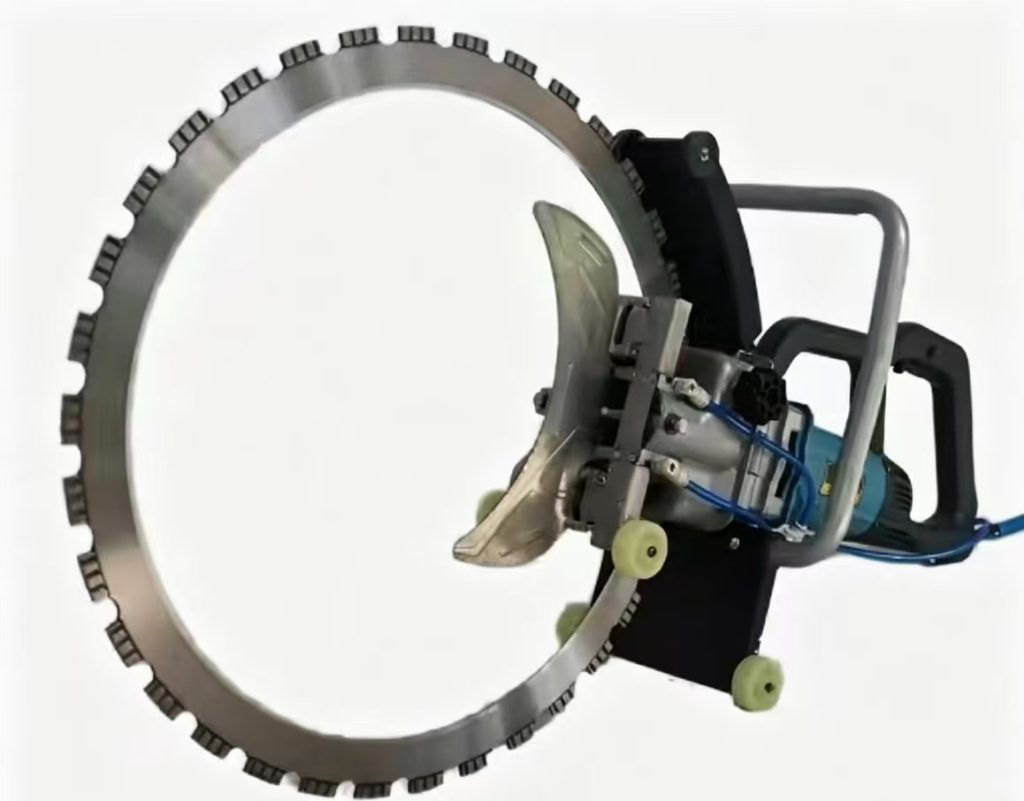
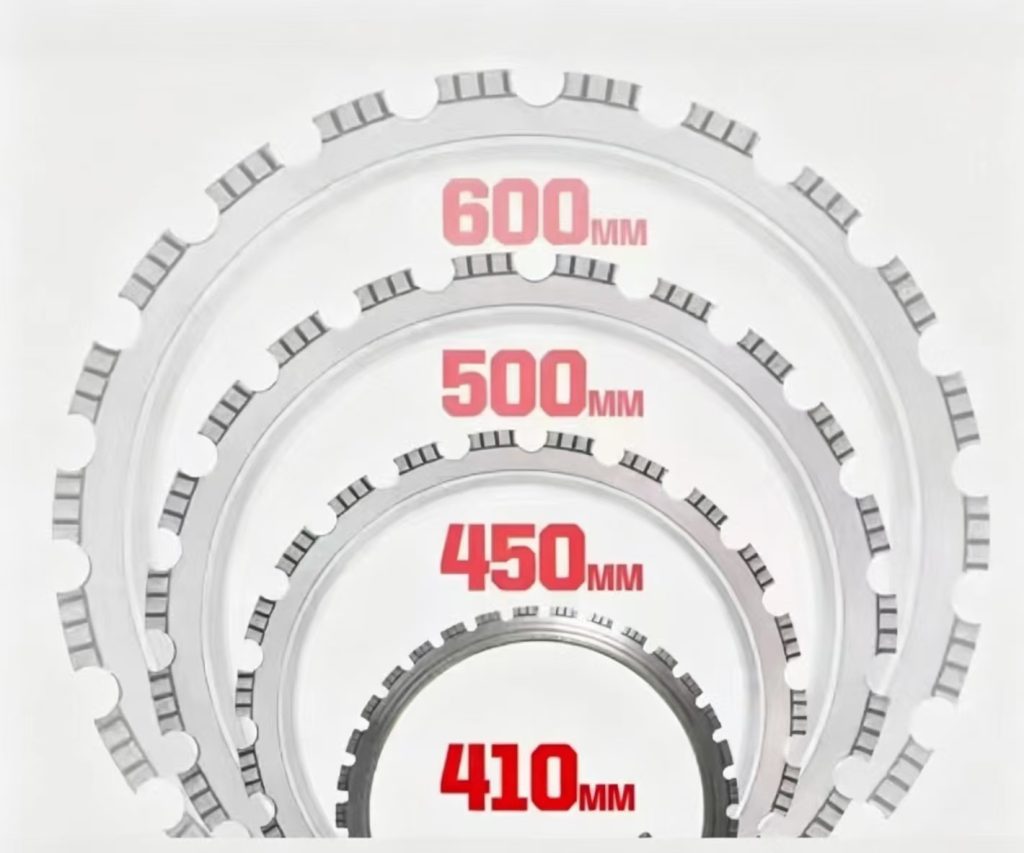
Why Choose a Concrete Cutter Electric?
Before discussing selection criteria, it is important to understand why many professionals choose a concrete cutter electric over other cutting equipment.
Advantages of Electric Concrete Cutters
| Feature | Concrete Cutter Electric | Gasoline Cutter |
|---|---|---|
| Noise Level | Lower | Higher |
| Emissions | Zero Direct Emissions | Produces Exhaust |
| Indoor Use | Excellent | Limited |
| Maintenance | Minimal | Frequent |
| Startup | Instant | Pull Start Required |
| Operating Cost | Lower | Higher |
A concrete cutter electric offers cleaner operation and greater convenience, making it especially useful for indoor construction, warehouses, commercial buildings, factories, parking garages, and residential renovation projects.
Understanding Your Cutting Requirements
The first step in selecting a concrete cutter electric is identifying your actual project requirements.
Ask yourself the following questions:
- What materials will you cut?
- How often will you use the machine?
- What cutting depth is required?
- Will you work indoors or outdoors?
- Do you need portability?
- Is dust control important?
Different projects require different cutting capabilities.
Common Materials Cut by Electric Concrete Cutters
| Material | Recommended Cutter Type |
|---|---|
| Concrete Slabs | Standard Electric Cutter |
| Reinforced Concrete | High-Power Electric Cutter |
| Asphalt | Specialized Blade |
| Stone | Diamond Blade Cutter |
| Brick | Medium-Power Electric Cutter |
| Masonry Blocks | Portable Electric Cutter |
Understanding your material requirements ensures you choose a concrete cutter electric with sufficient power and durability.
Evaluate Motor Power Carefully
Motor power is one of the most important specifications when purchasing a concrete cutter electric.
A powerful motor provides:
- Faster cutting speed
- Better cutting stability
- Improved efficiency
- Longer service life
- Better performance on reinforced concrete
Typical Motor Power Ranges
| Motor Power | Suitable Applications |
|---|---|
| 1200W–1800W | Light-Duty Cutting |
| 1800W–2500W | General Construction |
| 2500W–3500W | Professional Projects |
| 3500W+ | Heavy-Duty Applications |
For contractors handling daily concrete cutting jobs, a concrete cutter electric with at least 2000W power is generally recommended.
Higher power enables the machine to maintain stable performance when cutting thick or reinforced concrete sections.
Choose the Correct Blade Diameter
Blade size directly affects cutting depth and productivity.
Larger blades can cut deeper materials but often require a more powerful motor.
Blade Size Comparison
| Blade Diameter | Approximate Cutting Depth | Typical Application |
|---|---|---|
| 105 mm | Light Surface Cutting | Wall Renovation |
| 125 mm | Tile and Masonry | Indoor Work |
| 180 mm | Medium Concrete Cutting | Construction |
| 230 mm | Deep Concrete Cutting | Professional Projects |
| 350 mm | Road and Pavement Work | Heavy Duty |
When selecting a concrete cutter electric, ensure the blade diameter matches your project requirements.
Oversized blades can reduce efficiency if the motor lacks sufficient power.
Consider Cutting Depth Requirements
Many buyers focus solely on motor power but overlook cutting depth.
Different construction projects require different depths.
Typical Cutting Depths
| Application | Recommended Depth |
|---|---|
| Expansion Joints | 20–40 mm |
| Floor Renovation | 30–60 mm |
| Utility Installation | 50–100 mm |
| Concrete Slabs | 80–120 mm |
| Pavement Repair | 100 mm+ |
A quality concrete cutter electric should provide adjustable depth settings, allowing operators to complete various cutting tasks with one machine.
Dry Cutting vs Wet Cutting
One important consideration is whether the concrete cutter electric supports dry cutting, wet cutting, or both.
Dry Cutting
Advantages:
- No water supply required
- Easier setup
- Suitable for quick jobs
Disadvantages:
- More dust
- Higher blade temperatures
Wet Cutting
Advantages:
- Less dust
- Cooler blade operation
- Longer blade life
- Cleaner cuts
Disadvantages:
- Requires water source
- Additional cleanup
Comparison Table
| Feature | Dry Cutting | Wet Cutting |
|---|---|---|
| Dust Control | Lower | Excellent |
| Blade Life | Moderate | Longer |
| Cutting Precision | Good | Excellent |
| Cleanup | Easier | More Required |
| Indoor Suitability | Moderate | Excellent |
Many professionals prefer a concrete cutter electric equipped with a water supply system because it significantly improves cutting quality and safety.
Portability and Machine Design
Construction projects often require moving equipment between locations.
A portable concrete cutter electric can improve job site efficiency.
Important factors include:
- Machine weight
- Handle design
- Wheel system
- Compact dimensions
- Transportation convenience
Portable vs Heavy-Duty Models
| Feature | Portable Model | Heavy-Duty Model |
|---|---|---|
| Weight | Lower | Higher |
| Mobility | Excellent | Moderate |
| Cutting Capacity | Moderate | High |
| Storage | Easier | Requires More Space |
| Best For | Renovation | Construction Sites |
Selecting the appropriate balance between portability and performance is crucial.
Safety Features You Should Never Ignore
Safety should always be a priority when choosing a concrete cutter electric.
Essential safety features include:
Blade Guard
Protects operators from debris and sparks.
Overload Protection
Prevents motor damage during heavy cutting.
Soft Start Function
Reduces startup shock and improves control.
Emergency Stop Switch
Allows immediate shutdown during emergencies.
Anti-Vibration System
Improves operator comfort and reduces fatigue.
Safety Feature Checklist
| Feature | Importance |
|---|---|
| Blade Guard | Essential |
| Soft Start | Highly Recommended |
| Overload Protection | Essential |
| Emergency Stop | Essential |
| Anti-Vibration Handle | Recommended |
| Dust Collection | Recommended |
A professional-grade concrete cutter electric should incorporate multiple safety systems for reliable operation.
Blade Compatibility Matters
Even the best concrete cutter electric will perform poorly with the wrong blade.
Different blades are designed for specific materials.
Common Blade Types
| Blade Type | Suitable Material |
|---|---|
| Diamond Blade | Concrete |
| Turbo Blade | Masonry |
| Segmented Blade | Reinforced Concrete |
| Continuous Rim Blade | Precision Cutting |
| Asphalt Blade | Asphalt Surfaces |
Always verify blade compatibility before purchasing your machine.
Power Supply Considerations
The electrical requirements of your concrete cutter electric are another important factor.
Common Voltage Options
| Voltage | Application |
|---|---|
| 110V | Residential Projects |
| 220V | Commercial Use |
| 380V | Industrial Applications |
For professional construction companies, 220V models often provide the best balance between power and accessibility.
Maintenance Requirements
One major advantage of a concrete cutter electric is simplified maintenance.
Regular maintenance tasks include:
- Cleaning dust buildup
- Checking blade wear
- Inspecting electrical connections
- Lubricating moving components
- Checking cooling systems
Recommended Maintenance Schedule
| Maintenance Item | Frequency |
|---|---|
| Blade Inspection | Daily |
| Dust Removal | After Use |
| Electrical Check | Weekly |
| Fastener Inspection | Monthly |
| Full Service | Every 6 Months |
Proper maintenance extends the lifespan of your concrete cutter electric and ensures consistent cutting performance.
Common Buying Mistakes
Many buyers make avoidable mistakes when selecting a concrete cutter electric.
Choosing Based Only on Price
Low-cost machines may lack durability and performance.
Ignoring Cutting Depth
A machine with insufficient depth capacity can limit project capabilities.
Overlooking Safety Features
Safety should never be compromised.
Selecting the Wrong Blade Size
Blade size must match both material and cutting depth.
Underestimating Future Needs
Choose a concrete cutter electric that can handle future projects as your business grows.
How to Match the Right Concrete Cutter Electric to Your Industry
Construction Contractors
Recommended Features:
- High power
- Deep cutting capacity
- Wet cutting support
Renovation Companies
Recommended Features:
- Lightweight design
- Low noise
- Easy transport
Road Maintenance Teams
Recommended Features:
- Large blade diameter
- Heavy-duty construction
- Continuous operation capability
Industrial Facilities
Recommended Features:
- Dust control
- Stable power output
- High durability
Matching the machine to your industry ensures maximum return on investment.
Conclusion
Selecting the right concrete cutter electric requires careful evaluation of motor power, blade size, cutting depth, portability, safety features, and maintenance requirements. The ideal machine should not only meet your current project needs but also support future construction demands.
A high-quality concrete cutter electric delivers clean cuts, improved productivity, lower maintenance costs, and enhanced operator safety. By understanding your application requirements and comparing key specifications, you can confidently invest in equipment that provides reliable performance for years to come.
Whether you are handling floor renovation, road repair, utility installation, or commercial construction, choosing the right concrete cutter electric will significantly improve your project efficiency and cutting results.
FAQ
What is a concrete cutter electric used for?
A concrete cutter electric is used for cutting concrete, masonry, stone, asphalt, and other construction materials in renovation, construction, and maintenance projects.
Is a concrete cutter electric suitable for indoor use?
Yes. Because it produces no exhaust emissions, a concrete cutter electric is ideal for indoor construction environments.
What blade is best for cutting reinforced concrete?
Segmented diamond blades are typically the best choice for reinforced concrete applications.
How deep can a concrete cutter electric cut?
Cutting depth depends on blade size and machine design. Professional models can achieve depths exceeding 100 mm.
Is wet cutting better than dry cutting?
Wet cutting generally produces less dust, improves blade life, and delivers cleaner cuts, making it the preferred option for many professionals.
How often should blades be replaced?
Blade replacement depends on usage frequency, material hardness, and cutting conditions. Regular inspection is recommended to maintain optimal performance.