
Introduction
A power float trowel is one of the most important machines used in concrete finishing. Whether you are working on industrial floors, warehouses, commercial buildings, parking structures, or residential projects, a well-maintained power float trowel can significantly improve surface quality and productivity.
However, many contractors focus solely on operation and overlook routine maintenance. Neglecting maintenance can lead to reduced performance, higher repair costs, unexpected downtime, and a shorter machine lifespan.
Proper maintenance not only protects your investment but also ensures consistent finishing quality and operator safety. In this guide, we will discuss practical power float trowel maintenance tips that can help extend equipment life, improve efficiency, and reduce operating costs.
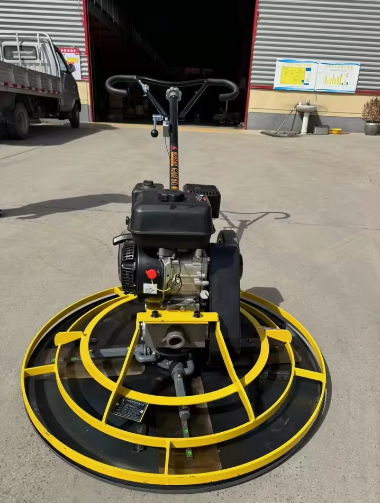
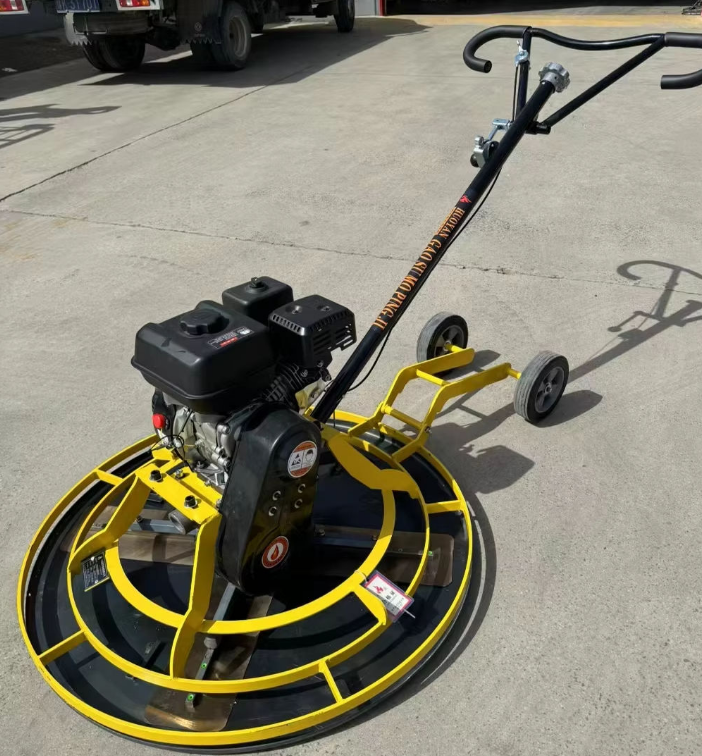
Pourquoi Power Float Trowel L'entretien, c'est important
Every power float trowel experiences wear and tear during operation. Concrete dust, moisture, vibration, and heavy workloads can gradually affect critical components.
Regular maintenance provides several benefits:
- Une durée de vie plus longue des équipements
- Improved finishing quality
- Reduced repair costs
- Better fuel efficiency
- Increased workplace safety
- Less downtime on construction sites
A properly maintained power float trowel can often remain productive for many years longer than a neglected machine.
Consequences of Poor Maintenance
| Problem | Cause possible |
|---|---|
| Uneven concrete finish | Worn blades |
| Vibrations excessives | Loose hardware |
| Engine starting difficulty | Dirty spark plug |
| Reduced power output | Clogged air filter |
| Premature component failure | Lack of lubrication |
| Increased fuel consumption | Poor engine maintenance |
Understand the Main Components of a Power Float Trowel
Before performing maintenance, operators should understand the major components of a power float trowel.
Moteur
The engine provides power to rotate the blades. Gasoline engines require regular oil changes, air filter cleaning, and spark plug inspection.
Blades
Float blades and finishing blades directly contact the concrete surface. They gradually wear during operation and require regular replacement.
Boîte de vitesses
The gearbox transfers power from the engine to the blade assembly. Proper lubrication is essential for long service life.
Handle Assembly
The handle controls machine movement and blade pitch adjustments. Loose connections may affect control and safety.
Belt Drive System
Drive belts transmit engine power efficiently. Belt wear can reduce performance and increase fuel consumption.
Safety Components
Emergency shut-off switches, throttle controls, and protective guards should always remain functional.
Daily Inspection Before Operating a Power Float Trowel
Performing a quick inspection before each use can prevent costly repairs.
Check Engine Oil
Always verify engine oil levels before starting the machine.
Low oil levels may cause:
- Surchauffe du moteur
- Increased friction
- Internal engine damage
Inspect Fuel System
Check:
- Fuel lines
- Fuel tank
- Fuel cap
- Fuel filter
Look for leaks or contamination.
Examine Blades
Inspect blades for:
- Fissures
- Usure excessive
- Bent edges
- Loose mounting bolts
Damaged blades can affect floor quality and machine balance.
Inspect Fasteners
Construction equipment experiences constant vibration.
Check:
- Nuts
- Bolts
- Washers
- Blade mounting hardware
Loose hardware should be tightened immediately.
Verify Safety Features
Before operating the power float trowel, confirm that:
- Kill switch functions correctly
- Throttle operates smoothly
- Guards are securely installed
Cleaning Your Power Float Trowel After Every Job
Cleaning is one of the simplest yet most effective maintenance practices.
Concrete residue hardens quickly and can damage moving parts if left unattended.
Cleaning Procedure
Turn off engine completely.
Allow machine to cool.
Remove concrete residue.
Clean blades thoroughly.
Wipe engine surfaces.
Inspect for hidden damage.
Areas Requiring Special Attention
| Composant | Cleaning Frequency |
|---|---|
| Blades | After every use |
| Blade arms | After every use |
| Guard ring | After every use |
| Engine cooling fins | Hebdomadaire |
| Air filter housing | Hebdomadaire |
| Handle assembly | Hebdomadaire |
Keeping a power float trowel clean also makes inspections easier.
Engine Maintenance Tips
The engine is the heart of every power float trowel.
Change Engine Oil Regularly
Follow manufacturer recommendations regarding oil replacement intervals.
General guideline:
| Operating Hours | Action |
|---|---|
| First 20 Hours | Initial oil change |
| Every 50 Hours | Check oil condition |
| Every 100 Hours | Replace oil |
| Every 300 Hours | Deep inspection |
Fresh oil reduces friction and protects internal components.
Replace Air Filters
Concrete construction environments generate large amounts of dust.
A clogged air filter can cause:
- Reduced engine power
- Increased fuel consumption
- Hard starting
- Surchauffe du moteur
Clean or replace filters regularly.
Inspect Spark Plugs
Spark plugs should be checked periodically for:
- Carbon buildup
- Electrode wear
- Cracking
Replace damaged plugs immediately.
Check Fuel Quality
Old or contaminated fuel can create engine problems.
Best practices:
- Use fresh fuel
- Avoid water contamination
- Store fuel properly
- Empty fuel system during long storage periods
Blade Maintenance for Optimal Performance
The blades are among the most frequently replaced components on a power float trowel.
Monitor Blade Wear
Signs of blade wear include:
- Rounded edges
- Uneven thickness
- Surface scratches
- Reduced finishing quality
Replace Blades in Sets
Replacing only one blade can create imbalance.
Always replace:
- All finishing blades together
- All float blades together
Store Blades Properly
Keep spare blades:
- Dry
- Clean
- Protected from corrosion
Blade Inspection Checklist
| Élément d'inspection | Check Result |
|---|---|
| Blade thickness | Acceptable |
| Blade flatness | Acceptable |
| Mounting holes | No damage |
| Surface cracks | None |
| Corrosion | Minimal |
Gearbox Care and Lubrication
The gearbox experiences heavy stress during operation.
Without proper maintenance, gearbox repairs can become expensive.
Check Lubricant Levels
Insufficient lubrication may lead to:
- Gear wear
- Excessive heat
- Noise
- Mechanical failure
Inspect for Leaks
Common leak locations include:
- Shaft seals
- Housing joints
- Drain plugs
Repair leaks immediately.
Listen for Unusual Sounds
Abnormal noises may indicate:
- Bearing damage
- Gear wear
- Lubrication issues
Early diagnosis often prevents major repairs.
Belt Inspection and Replacement
The belt drive system plays a crucial role in transferring power.
Signs of Belt Wear
Look for:
- Fissures
- Effilochage
- Glazing
- Slippage
Proper Belt Tension
Belts should not be:
- Too loose
- Too tight
Incorrect tension can reduce machine efficiency and shorten component life.
Replacement Schedule
| Condition | Recommended Action |
|---|---|
| Minor wear | Monitor |
| Surface cracks | Replace soon |
| Belt slipping | Replace immediately |
| Severe fraying | Replace immediately |
Preventing Corrosion and Rust
Concrete construction environments expose equipment to moisture and chemicals.
Rust Prevention Methods
- Clean equipment after use
- À conserver à l'intérieur
- Apply protective lubricants
- Cover machine during storage
Protect Metal Components
Focus on:
- Blade arms
- Guard rings
- Hardware
- Handle assemblies
A rust-free power float trowel typically maintains better performance and appearance.
Proper Storage Practices
Storage conditions significantly influence equipment lifespan.
Short-Term Storage
For daily or weekly storage:
- Clean machine thoroughly
- Store in dry area
- Cover equipment
- Shut fuel valve
Long-Term Storage
For seasonal storage:
- Drain fuel system
- Change engine oil
- Remove battery if applicable
- Lubricate moving parts
- Cover machine completely
Ideal Storage Conditions
| Factor | Recommendation |
|---|---|
| Temperature | Moderate |
| Humidité | Low |
| Ventilation | Good |
| Sunlight Exposure | Minimal |
| Dust Exposure | Minimal |
Operator Habits That Extend Power Float Trowel Life
Maintenance alone cannot guarantee longevity.
Operator behavior also affects machine lifespan.
Warm Up the Engine
Allow the engine to reach operating temperature before heavy use.
Avoid Overloading
Do not force the machine beyond its designed capacity.
Operate at Correct Speeds
Using inappropriate speeds may increase wear on:
- Moteur
- Belts
- Boîte de vitesses
- Blades
Follow Manufacturer Guidelines
Always follow the operating instructions provided for the specific power float trowel model.
Common Maintenance Mistakes to Avoid
Many equipment failures result from avoidable mistakes.
Ne pas effectuer les inspections quotidiennes
Small issues often become expensive repairs.
Ignoring Strange Noises
Unusual sounds usually indicate developing problems.
Delaying Blade Replacement
Worn blades reduce finishing quality and increase stress on components.
Using Incorrect Lubricants
Wrong lubricants may damage gears and bearings.
Poor Storage Conditions
Outdoor exposure accelerates corrosion and deterioration.
Recommended Power Float Trowel Maintenance Schedule
| Tâche de maintenance | Quotidien | Hebdomadaire | Mensuel |
|---|---|---|---|
| Vérifier le niveau d'huile | ✔ | ||
| Clean blades | ✔ | ||
| Inspect fasteners | ✔ | ||
| Clean air filter | ✔ | ||
| Inspect belts | ✔ | ||
| Check gearbox | ✔ | ||
| Lubricate moving parts | ✔ | ||
| Replace oil | ✔ | ||
| Full inspection | ✔ |
Following a structured schedule ensures the power float trowel remains in excellent working condition.
Signs Your Power Float Trowel Needs Professional Service
Even with proper maintenance, professional servicing may occasionally be required.
Warning signs include:
- Vibrations excessives
- Gearbox noise
- Persistent oil leaks
- Engine power loss
- Démarrage difficile
- Uneven blade rotation
Professional technicians can identify issues before catastrophic failures occur.
Conclusion
A power float trowel is a valuable investment for any concrete contractor. Regular maintenance is essential for achieving maximum performance, reliability, and service life. By performing daily inspections, keeping the machine clean, maintaining the engine, monitoring blade wear, lubricating the gearbox, and storing the equipment correctly, operators can significantly reduce downtime and repair costs.
Consistent care not only extends the lifespan of a power float trowel but also ensures high-quality concrete finishes on every project. A proactive maintenance strategy will help contractors protect their equipment investment and maintain productivity for years to come.
FAQ
How often should I service my power float trowel?
Basic inspections should be performed daily, while more comprehensive maintenance should follow the manufacturer’s recommended schedule, typically every 50–100 operating hours.
What is the most important maintenance task for a power float trowel?
Regular cleaning and engine oil checks are among the most critical maintenance procedures.
When should power float trowel blades be replaced?
Blades should be replaced when they become excessively worn, bent, cracked, or when finishing quality begins to decline.
Can poor maintenance reduce the lifespan of a power float trowel?
Yes. Neglecting maintenance can lead to engine damage, gearbox wear, blade failure, and significantly shorter equipment life.
How should I store a power float trowel during the off-season?
Clean the machine thoroughly, drain or stabilize the fuel, lubricate moving parts, change the oil, and store it in a dry, covered location.
Why is gearbox maintenance important for a power float trowel?
The gearbox transfers power from the engine to the blades. Proper lubrication and inspection help prevent costly failures and extend equipment lifespan.