
Introduction
A concrete grinding wheel is one of the most essential tools in modern concrete surface preparation and floor finishing. Whether you are polishing a warehouse floor, removing epoxy coatings, leveling uneven concrete, or preparing a surface for decorative coatings, selecting the right concrete grinding wheel can significantly improve efficiency and surface quality.
Professional contractors understand that successful floor finishing depends on more than just using a grinder. The grinding wheel itself determines cutting speed, finish quality, dust generation, tool life, and project cost. Choosing an inappropriate wheel can lead to uneven surfaces, excessive wear, damaged concrete, and unnecessary downtime.
This comprehensive guide explains practical concrete grinding wheel solutions for smooth floor finishing. You’ll learn about different wheel types, construction planning, equipment selection, installation procedures, grinding techniques, maintenance methods, safety considerations, and common troubleshooting solutions. By following these recommendations, contractors can achieve professional-grade finishes while extending the lifespan of their grinding equipment.
Why the Right Concrete Grinding Wheel Matters
Concrete is one of the hardest construction materials. Different concrete strengths, aggregate compositions, and surface conditions require different grinding wheels. Using the correct concrete grinding wheel ensures:
- Faster material removal
- Better surface flatness
- Réduction de la fatigue de l'opérateur
- Longer wheel lifespan
- Lower operating costs
- Improved coating adhesion
- Consistent polishing quality
Major Applications
| Application | Recommended Grinding Wheel | Finish Goal |
|---|---|---|
| Surface leveling | Coarse diamond wheel | Remove high spots |
| Epoxy removal | PCD grinding wheel | Strip coatings |
| Concrete preparation | Medium diamond wheel | Prepare for coatings |
| Floor polishing | Fine diamond wheel | Smooth finish |
| Decorative concrete | Resin bond wheel | Finition ultra-brillante |
| Surface repair | Turbo grinding wheel | Fast stock removal |
Each project demands a specific concrete grinding wheel configuration based on the desired finish.
Understanding Different Types of Concrete Grinding Wheel
Before planning any construction project, contractors should understand the available wheel options.
Diamond Grinding Wheel
Diamond grinding wheels are the industry standard.
Parmi les avantages, on peut citer :
- Extremely durable
- Fast cutting
- Excellent heat resistance
- Suitable for continuous operation
- Longue durée de vie
Best for:
- Revêtements de sol industriels
- Commercial buildings
- Bridge repair
- Concrete sidewalks
Turbo Grinding Wheel
Turbo wheels feature segmented rims that improve airflow.
Les avantages comprennent :
- Faster grinding
- Better cooling
- Réduction des vibrations
- High removal efficiency
Ideal applications:
- Removing thick concrete
- Repair projects
- Surface leveling
Cup Grinding Wheel
Cup wheels are widely used with handheld grinders.
Features:
- Excellent balance
- High stability
- Uniform grinding
- Easy control
Convient pour :
- Wall grinding
- Edge grinding
- Small floor repairs
Resin Bond Grinding Wheel
Resin bond wheels are designed for polishing.
Avantages :
- Smooth finish
- Minimal scratching
- High gloss results
Best used after coarse grinding stages.
PCD Grinding Wheel
PCD wheels remove coatings instead of grinding concrete.
Applications include:
- Epoxy removal
- Glue removal
- Paint stripping
- Waterproof membrane removal
Construction Planning Before Grinding
Proper planning determines project success.
A professional floor finishing project follows several stages.
Surface Inspection
Vérifier les points suivants :
- Fissures
- Oil contamination
- Moisture
- Surface hardness
- Existing coatings
- Uneven elevations
Document all defects before grinding begins.
Determine Finish Requirements
Ask questions like:
- Will the floor be polished?
- Is coating required afterward?
- What level of smoothness is needed?
- Is aggregate exposure desired?
The answers determine the appropriate concrete grinding wheel selection.
Select Equipment
Common machines include:
| Machine Type | Recommended Project |
|---|---|
| Hand grinder | Corners and edges |
| Walk-behind grinder | Medium floors |
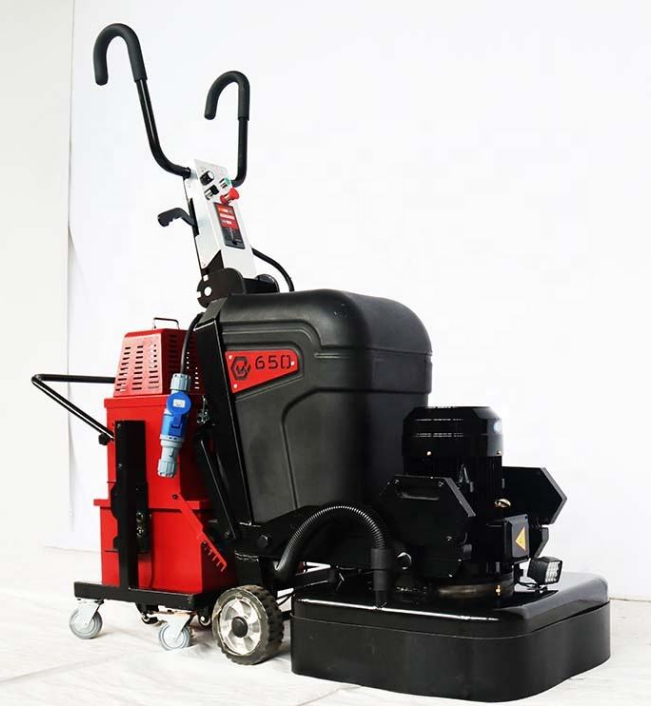
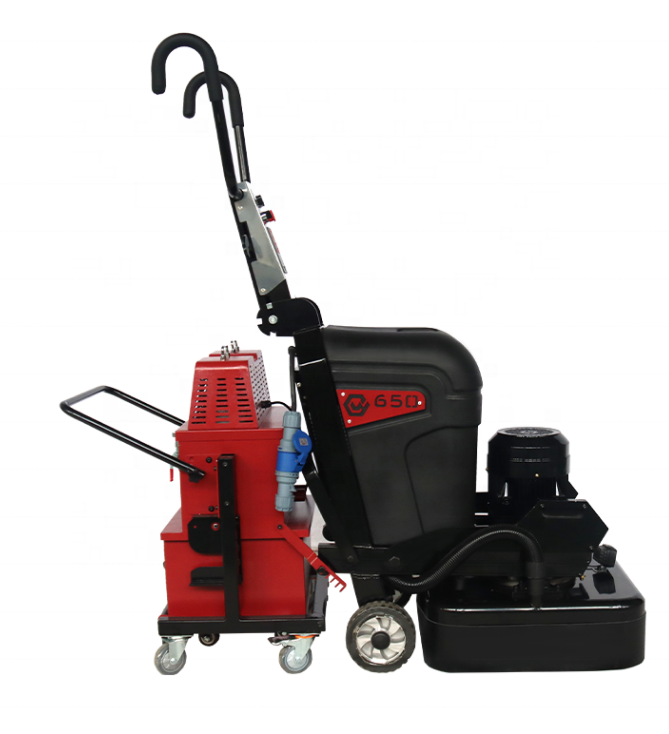
| Planetary grinder | Large commercial floors |
| Ride-on grinder | Industrial facilities |
Machine power should match wheel specifications.
Dust Collection Planning
Grinding generates large quantities of dust.
Professional projects should use:
- Industrial vacuum systems
- HEPA filtration
- Dust shrouds
- Airflow monitoring
Dust control improves safety and grinding performance.
Choosing the Correct Concrete Grinding Wheel
Selecting the proper concrete grinding wheel depends on several factors.
Concrete Hardness
| Concrete Hardness | Recommended Bond |
|---|---|
| Soft concrete | Hard bond |
| Medium concrete | Medium bond |
| Hard concrete | Soft bond |
The wrong bond causes premature wear or glazing.
Grit Selection
| Grit | Surface Result |
|---|---|
| 16-30 | Aggressive removal |
| 40-60 | Surface preparation |
| 80-120 | Fine grinding |
| 200-400 | Honing |
| 800-3000 | Polishing |
Professional finishing often involves multiple grit changes.
Wheel Diameter
Larger wheels:
- Cover more area
- Improve efficiency
- Increase productivity
Smaller wheels:
- Better maneuverability
- Suitable for detail work
- Easier edge access
Step-by-Step Construction Solution
Site Preparation
Before grinding:
- Remove furniture
- Clean debris
- Repair loose concrete
- Mark utilities
- Install dust collection
Initial Grinding
Use coarse concrete grinding wheel options.
Objectives:
- Remove uneven spots
- Strip coatings
- Open concrete pores
Maintain steady machine movement.
Avoid stopping in one location.
Intermediate Grinding
Switch to medium grit.
Goals:
- Eliminate scratches
- Improve flatness
- Prepare for polishing
Cross-pattern grinding improves consistency.
Fine Grinding
Install finer concrete grinding wheel options.
Les avantages comprennent :
- Reduced scratches
- Improved reflectivity
- Better coating adhesion
Final Polishing
Use resin polishing pads after grinding.
Complete polishing sequence gradually.
Never skip grit levels.
Construction Techniques for Better Results
Professional contractors follow several proven methods.
Cross Grinding
Grind in one direction.
Repeat at 90 degrees.
Benefits:
- Better flatness
- Reduced waves
- Uniform finish
Edge Grinding
Edges require handheld grinders.
Use matching concrete grinding wheel specifications to maintain consistency.
Speed Control
Machine speed directly affects grinding quality.
Too fast:
- Uneven finish
- Missed spots
Too slow:
- Wheel overheating
- Reduced productivity
Pressure Control
Allow the machine weight to perform most of the work.
Excessive pressure causes:
- Wheel glazing
- Heat buildup
- Motor overload
Common Problems and Solutions
| Problème | Cause possible | Solution |
|---|---|---|
| Wheel glazing | Wrong bond | Use softer bond |
| Fast wear | Soft concrete | Use harder bond |
| Uneven finish | Inconsistent movement | Maintain overlap |
| Burn marks | Excessive pressure | Reduce pressure |
| Low productivity | Wrong grit | Use coarser grit |
| Excess dust | Poor vacuum | Improve dust collection |
Safety During Concrete Grinding
Safety should never be overlooked.
Operators should wear:
- Safety glasses
- Respirators
- Ear protection
- Steel-toe boots
- Gloves
Additional precautions include:
- Proper ventilation
- Electrical inspection
- Machine maintenance
- Emergency shutdown planning
Equipment Maintenance
Routine maintenance extends the life of every concrete grinding wheel.
Daily tasks include:
- Cleaning dust
- Inspecting wheel wear
- Checking mounting bolts
- Verifying machine balance
Weekly inspections include:
- Bearing lubrication
- Tension de la courroie
- Motor inspection
- Vacuum filter cleaning
Maximizing Concrete Grinding Wheel Life
Professional contractors reduce operating costs through proper wheel care.
Best practices include:
- Select the correct bond.
- Match grit to project stage.
- Avoid overheating.
- Store wheels in dry environments.
- Replace damaged wheels immediately.
- Dress glazed wheels when necessary.
- Maintain proper grinding speed.
Proper maintenance can significantly extend concrete grinding wheel lifespan.
Productivity Tips for Large Floor Projects
Large construction projects require efficient planning.
Recommendations:
- Divide floors into working zones.
- Maintain consistent overlap.
- Schedule wheel inspections.
- Keep spare grinding wheels available.
- Monitor vacuum performance.
- Train operators on proper techniques.
These methods improve both quality and productivity.
Comparing Grinding Wheel Options
| Wheel Type | Material Removal | Finish Quality | Durabilité | Typical Application |
|---|---|---|---|---|
| Diamond | Excellent | Excellent | Excellent | General grinding |
| Turbo | Très élevé | Bien | Très bien | Fast leveling |
| Cup | Élevé | Bien | Très bien | Edge grinding |
| Resin Bond | Low | Excellent | Bien | Polishing |
| PCD | Coating removal | Not for polishing | Excellent | Epoxy removal |
Best Practices for Smooth Floor Finishing
To achieve professional results:
Inspect the slab carefully.
Choose the proper concrete grinding wheel.
Match bond hardness to concrete hardness.
Follow the correct grit progression.
Use efficient dust extraction.
Keep grinding patterns consistent.
Perform routine equipment maintenance.
Avoid excessive grinding pressure.
Replace worn wheels promptly.
Finish with polishing pads if required.
These practices produce flatter, smoother, and more durable concrete floors.
Conclusion
Selecting the correct concrete grinding wheel is the foundation of successful concrete floor finishing. From surface preparation and coating removal to fine polishing, every stage of the construction process depends on matching the wheel type, bond, grit, and machine to the project requirements.
A well-planned grinding strategy improves efficiency, reduces labor costs, extends tool life, and delivers a superior floor finish. By understanding different concrete grinding wheel options, following proper construction procedures, implementing effective maintenance routines, and prioritizing operator safety, contractors can consistently achieve high-quality results on residential, commercial, and industrial flooring projects.
Whether you are leveling newly poured concrete, renovating aging warehouse floors, or preparing decorative concrete surfaces, investing in the right concrete grinding wheel solution ensures smoother finishes, higher productivity, and long-term project success.
FAQ
What is a concrete grinding wheel used for?
A concrete grinding wheel is primarily used for leveling concrete, removing coatings, smoothing rough surfaces, preparing floors for epoxy, and polishing concrete to achieve a professional finish.
How do I choose the right concrete grinding wheel?
Choose the wheel based on concrete hardness, desired finish, machine compatibility, bond type, grit size, and whether you are removing material, preparing the surface, or polishing.
How long does a concrete grinding wheel last?
The lifespan depends on concrete hardness, operator technique, wheel quality, and maintenance. Proper use and regular cleaning can significantly extend service life.
Can one concrete grinding wheel handle every project?
No. Different projects require different wheel types, including diamond wheels for grinding, PCD wheels for coating removal, and resin bond wheels for polishing.
What safety equipment is required during grinding?
Operators should wear eye protection, hearing protection, respirators, gloves, and safety footwear while using dust collection systems to minimize airborne particles.
Why is my concrete grinding wheel wearing out quickly?
Rapid wear is often caused by selecting the wrong bond for the concrete hardness, applying excessive pressure, or using incorrect grinding techniques. Matching the wheel to the job and following proper operating procedures will maximize performance and longevity.