
Introduction
Finding the right concrete cutter for sale can make a significant difference in the efficiency, precision, and overall success of your construction project. Whether you are a contractor, rental company, municipal maintenance team, or construction equipment distributor, investing in the right machine helps reduce operating costs, improve productivity, and ensure consistent cutting performance.
Today, the market offers hundreds of options, ranging from compact electric walk-behind saws to powerful gasoline and diesel-powered road cutters. While many machines may appear similar at first glance, their cutting capacity, engine quality, blade compatibility, durability, and maintenance requirements vary considerably.
Choosing a concrete cutter for sale based solely on price can lead to unexpected downtime, expensive repairs, and lower productivity. Instead, buyers should carefully compare the machine’s specifications, intended applications, safety features, and long-term operating costs before making a purchasing decision.
This comprehensive buying guide explains the most important features to evaluate when comparing a concrete cutter for sale, helping you select equipment that delivers reliable performance and long service life.
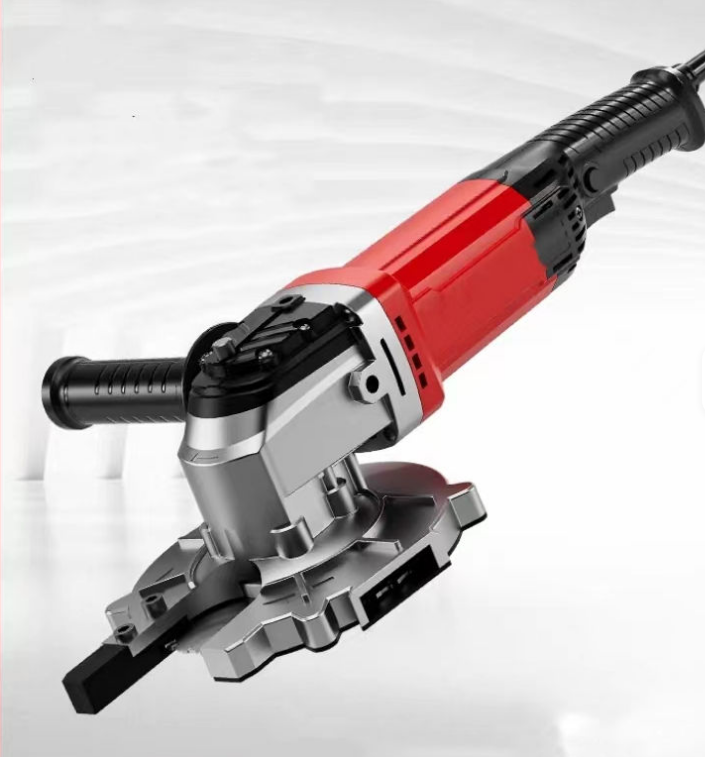
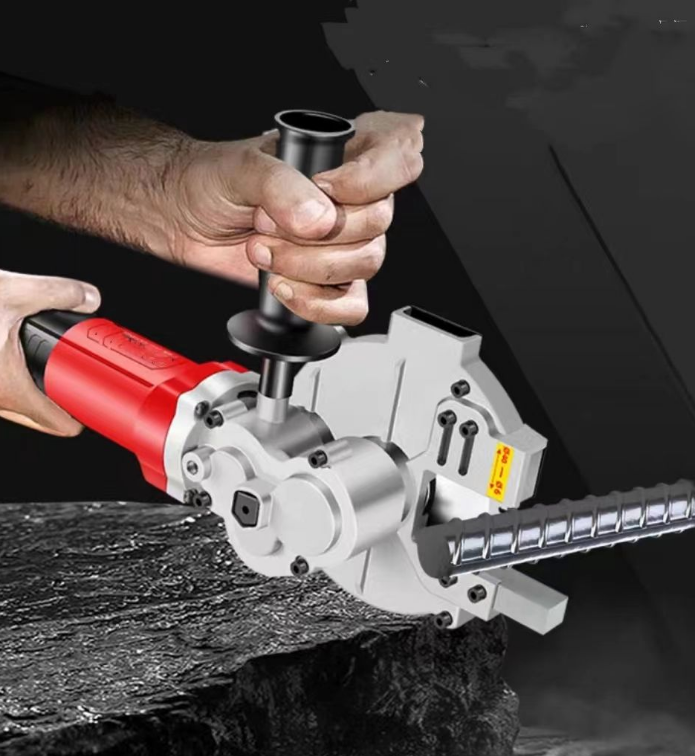
Why Choosing the Right Concrete Cutter Matters
A concrete cutter is one of the most frequently used machines in road construction, municipal engineering, bridge maintenance, airport projects, parking lot repairs, and industrial flooring. Selecting the appropriate machine affects not only cutting quality but also project timelines and operational efficiency.
Better Cutting Performance
A properly selected concrete cutter for sale provides:
- Straight and accurate cutting lines
- Reduced blade vibration
- Consistent cutting depth
- Cleaner expansion joints
- Faster project completion
Machines with stable chassis designs and balanced weight distribution maintain blade alignment even during long cutting operations.
Lower Operating Costs
An efficient concrete cutter reduces unnecessary expenses by minimizing:
- Blade wear
- Fuel consumption
- Maintenance frequency
- Machine downtime
- Operator fatigue
Although a premium machine may have a higher initial investment, it often delivers significantly lower total ownership costs over several years.
Increased Jobsite Safety
Modern concrete cutters include numerous safety improvements such as:
- Emergency stop switches
- Blade guards
- Water cooling systems
- Anti-vibration handles
- Stable wheel structures
These features reduce workplace hazards while improving operator comfort.
Higher Productivity
Professional contractors often complete multiple projects every week. Selecting the right concrete cutter for sale allows operators to:
- Finish jobs faster
- Cut deeper in fewer passes
- Reduce labor costs
- Improve scheduling efficiency
- Increase daily output
Main Types of Concrete Cutter for Sale
Before comparing specifications, buyers should first understand the different categories of concrete cutters available.
Each machine is designed for specific applications.
| Concrete Cutter Type | Power Source | Best Applications | Main Advantages |
|---|---|---|---|
| Walk-Behind Concrete Cutter | Gasoline/Diesel | Roads, pavements, parking lots | Stable cutting performance |
| Electric Concrete Cutter | Electric Motor | Indoor construction | Low noise, zero emissions |
| Handheld Concrete Cutter | Gasoline/Electric | Wall cutting, pipe installation | Portable and flexible |
| Hydraulic Concrete Cutter | Hydraulic System | Heavy industrial projects | High cutting power |
| Battery-Powered Concrete Cutter | Rechargeable Battery | Small maintenance jobs | Portable and environmentally friendly |
Each type of concrete cutter for sale serves different operational needs.
Walk-Behind Concrete Cutter
Walk-behind machines are among the most common options available on the market.
Typical applications include:
- Highway maintenance
- Concrete pavement repair
- Airport runway expansion joints
- Industrial flooring
- Municipal engineering
Advantages include:
- Excellent stability
- Deep cutting capability
- High productivity
- Suitable for long continuous operation
Most professional contractors prefer this type of concrete cutter for sale because it offers the best balance between power and ease of operation.
Electric Concrete Cutter
Electric models are becoming increasingly popular due to stricter environmental regulations.
These machines are ideal for:
- Shopping malls
- Hospitals
- Warehouses
- Underground garages
- Residential buildings
Advantages include:
- Low operating noise
- No exhaust emissions
- Easy maintenance
- Simple operation
However, electric models generally provide less cutting power than gasoline-powered machines.
Handheld Concrete Cutter
Handheld concrete cutters are designed for flexibility.
They are commonly used for:
- Wall openings
- Window installation
- Utility trenches
- Pipe cutting
- Repair work
Their compact size allows operators to work in confined spaces where larger machines cannot reach.
Hydraulic Concrete Cutter
Hydraulic systems deliver exceptional cutting force.
These machines are commonly found in:
- Bridge demolition
- Heavy infrastructure
- Marine engineering
- Tunnel construction
Advantages include:
- Continuous high torque
- Heavy-duty construction
- Excellent reliability
- Long service life
Because of their complexity, hydraulic machines are generally selected for specialized industrial projects.
Battery-Powered Concrete Cutter
Battery technology has improved rapidly in recent years.
Modern battery-powered concrete cutter for sale options now offer:
- Quiet operation
- Fast startup
- Low maintenance
- High portability
These machines are suitable for light-duty applications where mobility is more important than maximum cutting depth.
Applications of Different Concrete Cutters
Different projects require different machine configurations.
| Project Type | Recommended Concrete Cutter |
|---|---|
| Highway Construction | Walk-Behind Gasoline Cutter |
| Airport Maintenance | Diesel Concrete Cutter |
| Warehouse Flooring | Electric Concrete Cutter |
| Residential Renovation | Handheld Concrete Cutter |
| Utility Installation | Handheld Cutter |
| Industrial Plant | Hydraulic Concrete Cutter |
| Parking Lot Repair | Walk-Behind Cutter |
| Indoor Concrete Floor | Electric Cutter |
Matching the application with the appropriate concrete cutter for sale significantly improves cutting efficiency and reduces unnecessary equipment wear.
Factors That Influence Buying Decisions
When comparing a concrete cutter for sale, experienced buyers usually evaluate several key factors instead of focusing only on the machine’s appearance.
Some of the most important considerations include:
- Engine performance
- Cutting depth
- Blade compatibility
- Chassis strength
- Water cooling efficiency
- Ease of maintenance
- Spare parts availability
- Operator comfort
- Safety systems
- Manufacturer reputation
Each of these factors directly affects the long-term performance of the equipment.
Key Features to Compare Before Buying
Purchasing a concrete cutter for sale involves more than selecting the right blade size or engine power. A well-informed buyer evaluates every component that contributes to cutting efficiency, durability, maintenance, and operator safety.
The following features deserve careful attention before making your final decision.
Engine Performance and Power Source
The engine is the heart of any concrete cutter. Its performance determines how effectively the machine can maintain blade speed while cutting through dense concrete or asphalt.
A high-quality engine offers:
- Stable power output
- Smooth operation under heavy loads
- Improved fuel efficiency
- Longer service life
- Lower maintenance requirements
Many professional-grade concrete cutters are equipped with engines from well-known manufacturers because of their proven reliability and global availability of spare parts.
When evaluating a concrete cutter for sale, consider the following engine characteristics:
| Feature | Why It Matters |
|---|---|
| Engine Type | Determines cutting capability and application suitability |
| Rated Power | Affects cutting speed and efficiency |
| Cooling System | Prevents overheating during long operation |
| Fuel Efficiency | Reduces operating costs |
| Starting Method | Easier starts improve productivity |
| Maintenance Access | Simplifies routine servicing |
Gasoline Engines
Gasoline-powered concrete cutters remain the most popular choice worldwide.
Advantages include:
- High mobility
- Strong cutting power
- Easy refueling
- Suitable for outdoor projects
- Wide availability of fuel
They are ideal for road construction, bridge maintenance, and municipal engineering.
Diesel Engines
Diesel-powered machines are preferred for heavy-duty projects because they provide higher torque and excellent fuel economy.
Typical applications include:
- Airport runways
- Highway construction
- Large infrastructure projects
- Industrial sites
Electric Motors
Electric-powered concrete cutters continue to gain popularity, particularly for indoor use.
Benefits include:
- Zero exhaust emissions
- Quiet operation
- Reduced maintenance
- Instant startup
- Lower vibration
However, users should ensure that adequate electrical power is available on-site.
Blade Size and Cutting Depth
Blade size is one of the first specifications buyers compare when evaluating a concrete cutter for sale. The blade diameter directly influences the maximum cutting depth and the types of projects the machine can handle.
Common blade sizes include:
| Blade Diameter | Typical Maximum Cutting Depth | Suitable Applications |
|---|---|---|
| 300 mm (12″) | Light-depth cutting | Indoor flooring, repairs |
| 350 mm (14″) | Medium-depth cutting | Sidewalks, driveways |
| 400 mm (16″) | General construction | Pavements, parking lots |
| 450 mm (18″) | Deep concrete cutting | Roads, industrial slabs |
| 500 mm (20″) | Heavy-duty cutting | Highways, bridges |
| 600 mm (24″) | Maximum cutting depth | Infrastructure projects |
While a larger blade provides greater cutting depth, it also requires a more powerful engine and increases overall machine weight. Buyers should match blade size to the actual requirements of their projects rather than simply choosing the largest option available.
Selecting the Right Blade Material
The cutting blade itself is just as important as its size. Diamond blades are widely preferred because they offer:
- Faster cutting speeds
- Longer service life
- Better heat resistance
- Cleaner cutting edges
- Compatibility with reinforced concrete
Choosing a concrete cutter for sale that supports multiple blade sizes and standard arbor dimensions provides greater flexibility for future projects.
Chassis Design and Structural Durability
A robust chassis is essential for maintaining stability and ensuring accurate cuts, especially during extended operation. Machines with reinforced steel frames are better equipped to withstand vibration, impacts, and demanding jobsite conditions.
When comparing chassis quality, consider:
- Frame material and thickness
- Weld quality
- Corrosion-resistant coating
- Wheel durability
- Weight distribution
A well-designed chassis minimizes blade deflection, reduces operator fatigue, and contributes to a longer machine lifespan.
Concrete Cutter for Sale: Features to Compare Before Buying
Introduction
Finding the right concrete cutter for sale can make a significant difference in the efficiency, precision, and overall success of your construction project. Whether you are a contractor, rental company, municipal maintenance team, or construction equipment distributor, investing in the right machine helps reduce operating costs, improve productivity, and ensure consistent cutting performance.
Today, the market offers hundreds of options, ranging from compact electric walk-behind saws to powerful gasoline and diesel-powered road cutters. While many machines may appear similar at first glance, their cutting capacity, engine quality, blade compatibility, durability, and maintenance requirements vary considerably.
Choosing a concrete cutter for sale based solely on price can lead to unexpected downtime, expensive repairs, and lower productivity. Instead, buyers should carefully compare the machine’s specifications, intended applications, safety features, and long-term operating costs before making a purchasing decision.
This comprehensive buying guide explains the most important features to evaluate when comparing a concrete cutter for sale, helping you select equipment that delivers reliable performance and long service life.
Why Choosing the Right Concrete Cutter Matters
A concrete cutter is one of the most frequently used machines in road construction, municipal engineering, bridge maintenance, airport projects, parking lot repairs, and industrial flooring. Selecting the appropriate machine affects not only cutting quality but also project timelines and operational efficiency.
Better Cutting Performance
A properly selected concrete cutter for sale provides:
- Straight and accurate cutting lines
- Reduced blade vibration
- Consistent cutting depth
- Cleaner expansion joints
- Faster project completion
Machines with stable chassis designs and balanced weight distribution maintain blade alignment even during long cutting operations.
Lower Operating Costs
An efficient concrete cutter reduces unnecessary expenses by minimizing:
- Blade wear
- Fuel consumption
- Maintenance frequency
- Machine downtime
- Operator fatigue
Although a premium machine may have a higher initial investment, it often delivers significantly lower total ownership costs over several years.
Increased Jobsite Safety
Modern concrete cutters include numerous safety improvements such as:
- Emergency stop switches
- Blade guards
- Water cooling systems
- Anti-vibration handles
- Stable wheel structures
These features reduce workplace hazards while improving operator comfort.
Higher Productivity
Professional contractors often complete multiple projects every week. Selecting the right concrete cutter for sale allows operators to:
- Finish jobs faster
- Cut deeper in fewer passes
- Reduce labor costs
- Improve scheduling efficiency
- Increase daily output
Main Types of Concrete Cutter for Sale
Before comparing specifications, buyers should first understand the different categories of concrete cutters available.
Each machine is designed for specific applications.
| Concrete Cutter Type | Power Source | Best Applications | Main Advantages |
|---|---|---|---|
| Walk-Behind Concrete Cutter | Gasoline/Diesel | Roads, pavements, parking lots | Stable cutting performance |
| Electric Concrete Cutter | Electric Motor | Indoor construction | Low noise, zero emissions |
| Handheld Concrete Cutter | Gasoline/Electric | Wall cutting, pipe installation | Portable and flexible |
| Hydraulic Concrete Cutter | Hydraulic System | Heavy industrial projects | High cutting power |
| Battery-Powered Concrete Cutter | Rechargeable Battery | Small maintenance jobs | Portable and environmentally friendly |
Each type of concrete cutter for sale serves different operational needs.
Walk-Behind Concrete Cutter
Walk-behind machines are among the most common options available on the market.
Typical applications include:
- Highway maintenance
- Concrete pavement repair
- Airport runway expansion joints
- Industrial flooring
- Municipal engineering
Advantages include:
- Excellent stability
- Deep cutting capability
- High productivity
- Suitable for long continuous operation
Most professional contractors prefer this type of concrete cutter for sale because it offers the best balance between power and ease of operation.
Electric Concrete Cutter
Electric models are becoming increasingly popular due to stricter environmental regulations.
These machines are ideal for:
- Shopping malls
- Hospitals
- Warehouses
- Underground garages
- Residential buildings
Advantages include:
- Low operating noise
- No exhaust emissions
- Easy maintenance
- Simple operation
However, electric models generally provide less cutting power than gasoline-powered machines.
Handheld Concrete Cutter
Handheld concrete cutters are designed for flexibility.
They are commonly used for:
- Wall openings
- Window installation
- Utility trenches
- Pipe cutting
- Repair work
Their compact size allows operators to work in confined spaces where larger machines cannot reach.
Hydraulic Concrete Cutter
Hydraulic systems deliver exceptional cutting force.
These machines are commonly found in:
- Bridge demolition
- Heavy infrastructure
- Marine engineering
- Tunnel construction
Advantages include:
- Continuous high torque
- Heavy-duty construction
- Excellent reliability
- Long service life
Because of their complexity, hydraulic machines are generally selected for specialized industrial projects.
Battery-Powered Concrete Cutter
Battery technology has improved rapidly in recent years.
Modern battery-powered concrete cutter for sale options now offer:
- Quiet operation
- Fast startup
- Low maintenance
- High portability
These machines are suitable for light-duty applications where mobility is more important than maximum cutting depth.
Applications of Different Concrete Cutters
Different projects require different machine configurations.
| Project Type | Recommended Concrete Cutter |
|---|---|
| Highway Construction | Walk-Behind Gasoline Cutter |
| Airport Maintenance | Diesel Concrete Cutter |
| Warehouse Flooring | Electric Concrete Cutter |
| Residential Renovation | Handheld Concrete Cutter |
| Utility Installation | Handheld Cutter |
| Industrial Plant | Hydraulic Concrete Cutter |
| Parking Lot Repair | Walk-Behind Cutter |
| Indoor Concrete Floor | Electric Cutter |
Matching the application with the appropriate concrete cutter for sale significantly improves cutting efficiency and reduces unnecessary equipment wear.
Factors That Influence Buying Decisions
When comparing a concrete cutter for sale, experienced buyers usually evaluate several key factors instead of focusing only on the machine’s appearance.
Some of the most important considerations include:
- Engine performance
- Cutting depth
- Blade compatibility
- Chassis strength
- Water cooling efficiency
- Ease of maintenance
- Spare parts availability
- Operator comfort
- Safety systems
- Manufacturer reputation
Each of these factors directly affects the long-term performance of the equipment.
Key Features to Compare Before Buying
Purchasing a concrete cutter for sale involves more than selecting the right blade size or engine power. A well-informed buyer evaluates every component that contributes to cutting efficiency, durability, maintenance, and operator safety.
The following features deserve careful attention before making your final decision.
Engine Performance and Power Source
The engine is the heart of any concrete cutter. Its performance determines how effectively the machine can maintain blade speed while cutting through dense concrete or asphalt.
A high-quality engine offers:
- Stable power output
- Smooth operation under heavy loads
- Improved fuel efficiency
- Longer service life
- Lower maintenance requirements
Many professional-grade concrete cutters are equipped with engines from well-known manufacturers because of their proven reliability and global availability of spare parts.
When evaluating a concrete cutter for sale, consider the following engine characteristics:
| Feature | Why It Matters |
|---|---|
| Engine Type | Determines cutting capability and application suitability |
| Rated Power | Affects cutting speed and efficiency |
| Cooling System | Prevents overheating during long operation |
| Fuel Efficiency | Reduces operating costs |
| Starting Method | Easier starts improve productivity |
| Maintenance Access | Simplifies routine servicing |
Gasoline Engines
Gasoline-powered concrete cutters remain the most popular choice worldwide.
Advantages include:
- High mobility
- Strong cutting power
- Easy refueling
- Suitable for outdoor projects
- Wide availability of fuel
They are ideal for road construction, bridge maintenance, and municipal engineering.
Diesel Engines
Diesel-powered machines are preferred for heavy-duty projects because they provide higher torque and excellent fuel economy.
Typical applications include:
- Airport runways
- Highway construction
- Large infrastructure projects
- Industrial sites
Electric Motors
Electric-powered concrete cutters continue to gain popularity, particularly for indoor use.
Benefits include:
- Zero exhaust emissions
- Quiet operation
- Reduced maintenance
- Instant startup
- Lower vibration
However, users should ensure that adequate electrical power is available on-site.
Blade Size and Cutting Depth
Blade size is one of the first specifications buyers compare when evaluating a concrete cutter for sale. The blade diameter directly influences the maximum cutting depth and the types of projects the machine can handle.
Common blade sizes include:
| Blade Diameter | Typical Maximum Cutting Depth | Suitable Applications |
|---|---|---|
| 300 mm (12″) | Light-depth cutting | Indoor flooring, repairs |
| 350 mm (14″) | Medium-depth cutting | Sidewalks, driveways |
| 400 mm (16″) | General construction | Pavements, parking lots |
| 450 mm (18″) | Deep concrete cutting | Roads, industrial slabs |
| 500 mm (20″) | Heavy-duty cutting | Highways, bridges |
| 600 mm (24″) | Maximum cutting depth | Infrastructure projects |
While a larger blade provides greater cutting depth, it also requires a more powerful engine and increases overall machine weight. Buyers should match blade size to the actual requirements of their projects rather than simply choosing the largest option available.
Selecting the Right Blade Material
The cutting blade itself is just as important as its size. Diamond blades are widely preferred because they offer:
- Faster cutting speeds
- Longer service life
- Better heat resistance
- Cleaner cutting edges
- Compatibility with reinforced concrete
Choosing a concrete cutter for sale that supports multiple blade sizes and standard arbor dimensions provides greater flexibility for future projects.
Chassis Design and Structural Durability
A robust chassis is essential for maintaining stability and ensuring accurate cuts, especially during extended operation. Machines with reinforced steel frames are better equipped to withstand vibration, impacts, and demanding jobsite conditions.
When comparing chassis quality, consider:
- Frame material and thickness
- Weld quality
- Corrosion-resistant coating
- Wheel durability
- Weight distribution
A well-designed chassis minimizes blade deflection, reduces operator fatigue, and contributes to a longer machine lifespan.
Safety Features You Should Never Ignore
Safety should always be a top priority when selecting a concrete cutter for sale. Concrete cutting involves high-speed rotating blades, dust generation, vibration, and heavy machinery. A machine equipped with comprehensive safety features not only protects operators but also improves productivity by reducing the risk of accidents and downtime.
When comparing different models of concrete cutter for sale, pay close attention to the following safety features.
Blade Guard Design
The blade guard is one of the most critical protective components. A well-designed guard helps prevent flying debris, accidental contact with the blade, and excessive dust dispersion.
Look for blade guards that offer:
- Full blade coverage
- Durable steel construction
- Easy adjustment
- Quick access for blade replacement
- Corrosion-resistant coating
Emergency Stop System
An emergency stop switch allows the operator to shut down the machine immediately if an unexpected situation occurs.
A reliable emergency stop system should be:
- Easy to reach
- Clearly marked
- Responsive
- Durable enough for harsh jobsite environments
Anti-Vibration Handles
Continuous exposure to vibration can lead to operator fatigue and reduced cutting accuracy.
Machines with anti-vibration handles provide several advantages:
- Improved comfort
- Better machine control
- Reduced hand fatigue
- Increased cutting precision
- Safer long working hours
Protective Belt Covers
The drive belt transfers engine power to the blade. A fully enclosed belt cover prevents dust, water, and debris from damaging the belt while protecting operators from moving parts.
Safety Feature Comparison
| Safety Feature | Importance | Benefits |
|---|---|---|
| Blade Guard | Very High | Prevents debris and accidental contact |
| Emergency Stop | Very High | Immediate machine shutdown |
| Anti-Vibration Handle | High | Reduces fatigue and improves control |
| Belt Cover | High | Protects transmission components |
| Stable Wheel Lock | Medium | Prevents unintended movement |
| Protective Frame | High | Improves machine durability |
A professional-grade concrete cutter for sale should include these safety features as standard equipment rather than optional upgrades.
Water Cooling System
Concrete cutting generates tremendous heat due to friction between the diamond blade and the concrete surface. Without proper cooling, blades wear out quickly and cutting efficiency decreases.
A high-quality water cooling system extends blade life while producing cleaner cuts.
Why Water Cooling Matters
Water cooling provides several important advantages:
- Prevents blade overheating
- Reduces dust emissions
- Improves cutting speed
- Extends blade lifespan
- Produces smoother cutting surfaces
For contractors working on large infrastructure projects, an efficient cooling system is one of the most valuable features to compare in a concrete cutter for sale.
Components of an Effective Cooling System
An ideal system includes:
- Large-capacity water tank
- Adjustable water flow
- Dual water outlets
- Durable water hoses
- Easy drainage design
- Corrosion-resistant fittings
Water Cooling Comparison
| Feature | Standard System | Professional System |
|---|---|---|
| Water Tank Capacity | Small | Large |
| Flow Adjustment | Manual | Adjustable Precision Valve |
| Cooling Coverage | Single Side | Dual Side |
| Dust Suppression | Moderate | Excellent |
| Maintenance | Basic | Easy Access Design |
Selecting a concrete cutter for sale with an advanced water cooling system significantly reduces consumable costs over the life of the machine.
Mobility and Ergonomic Design
Even the most powerful machine becomes inefficient if it is difficult to move or uncomfortable to operate.
Ergonomics directly influence productivity, especially on projects requiring long hours of continuous cutting.
Adjustable Handle System
Modern machines often feature adjustable handles that accommodate operators of different heights.
Benefits include:
- Reduced back strain
- Better steering control
- Improved visibility
- Increased comfort
Wheel Design
The wheels determine how smoothly the machine moves across uneven concrete surfaces.
High-quality wheels should provide:
- Smooth rolling
- High wear resistance
- Stable tracking
- Easy maneuverability
Balanced Weight Distribution
A properly balanced machine allows operators to maintain straight cutting lines without excessive effort.
Advantages include:
- Reduced operator fatigue
- Improved blade stability
- More accurate cutting
- Better machine control
Compact Transportation Design
Some models feature foldable handles and lifting points for easier transportation between jobsites.
This is particularly valuable for:
- Rental companies
- Mobile contractors
- Municipal maintenance crews
Ergonomic Comparison
| Feature | Benefit |
|---|---|
| Adjustable Handle | Comfortable operation |
| Foldable Handle | Easy transportation |
| Large Wheels | Better mobility |
| Balanced Chassis | Straight cutting lines |
| Low Vibration Design | Reduced fatigue |
| Clear Control Panel | Faster operation |
When reviewing a concrete cutter for sale, ergonomic improvements may seem minor but can greatly enhance productivity over time.
Ease of Maintenance and Serviceability
Maintenance costs are often overlooked during the purchasing process, yet they have a major impact on the total cost of ownership.
A concrete cutter for sale that is easy to maintain helps minimize downtime and keeps projects running on schedule.
Easy Access to Wear Parts
Routine maintenance should be straightforward.
Components requiring regular inspection include:
- Air filter
- Spark plug
- Drive belt
- Blade shaft
- Bearings
- Water system
- Fuel filter
Machines with removable access panels make servicing much faster.
Spare Parts Availability
Before purchasing, confirm that replacement parts are readily available.
Consider whether the manufacturer offers:
- Global parts distribution
- Fast delivery
- Standardized components
- Technical support
- Maintenance manuals
Reliable spare parts availability reduces downtime and protects your investment.
Lubrication Points
Proper lubrication extends machine life.
Choose a concrete cutter for sale with clearly labeled lubrication points that are easy to reach during scheduled maintenance.
Maintenance Comparison Checklist
| Maintenance Item | Easy Access Preferred |
|---|---|
| Blade Replacement | Yes |
| Belt Inspection | Yes |
| Air Filter Cleaning | Yes |
| Fuel System Access | Yes |
| Water Tank Cleaning | Yes |
| Engine Oil Drain | Yes |
Matching the Right Concrete Cutter to Different Projects
Not every construction project requires the same type of equipment. Selecting a concrete cutter for sale based on the intended application helps maximize efficiency while avoiding unnecessary costs.
Below are some common project scenarios and the machine characteristics best suited for each.
Road Construction
Road construction projects typically require long, straight cuts through thick concrete or asphalt.
Recommended features include:
- High-powered gasoline or diesel engine
- Large blade diameter
- Reinforced steel chassis
- Large-capacity water tank
- Durable wheels for uneven terrain
Municipal Maintenance
Municipal repair crews often perform a variety of cutting tasks in urban environments.
Ideal features include:
- Medium cutting depth
- Easy transportation
- Fast engine starting
- Reliable cooling system
- Low maintenance requirements
Industrial Flooring
Industrial facilities require smooth, precise cuts for expansion joints and floor repairs.
Recommended features:
- Stable cutting performance
- Adjustable cutting depth
- Efficient dust suppression
- Low vibration
- High cutting accuracy
Residential Construction
Smaller construction companies benefit from compact, versatile machines.
Look for:
- Lightweight design
- Easy maneuverability
- Moderate blade size
- User-friendly controls
- Simple maintenance
Project Matching Guide
| Project Type | Recommended Machine Features |
|---|---|
| Highway Construction | Large engine, deep cutting capacity |
| Parking Lots | Medium blade size, excellent maneuverability |
| Airport Runways | Heavy-duty chassis, high horsepower |
| Warehouse Flooring | Electric power, low vibration |
| Residential Projects | Compact size, lightweight design |
| Utility Installation | Flexible operation, portable configuration |
Choosing a concrete cutter for sale that aligns with your typical workload ensures higher productivity, lower operating costs, and longer equipment life.
Evaluating the Manufacturer and Supplier
A machine’s quality depends not only on its specifications but also on the reliability of the company behind it.
Before purchasing a concrete cutter for sale, evaluate the supplier using the following criteria:
- Manufacturing experience
- Quality control procedures
- Product certifications
- Export history
- Customer reviews
- Warranty policy
- Technical support
- Spare parts inventory
- Response time for after-sales service
Questions to Ask Your Supplier
Before making a final decision, consider asking:
- What engine brands are available?
- What blade sizes are supported?
- Is operator training provided?
- How quickly can spare parts be shipped?
- What warranty is included?
- Are OEM or customization services available?
- Has the machine been tested before shipment?
Working with an experienced manufacturer can provide peace of mind and ensure your concrete cutter for sale continues to perform reliably throughout its service life.
Inspection Checklist Before Buying a Concrete Cutter for Sale
Before placing an order, it is important to perform a thorough inspection of the concrete cutter for sale you are considering. Whether you are purchasing directly from a manufacturer, an equipment dealer, or an overseas supplier, verifying the machine’s specifications and build quality can help prevent costly mistakes.
Use the following checklist to evaluate the equipment before making your final decision.
Machine Inspection Checklist
| Inspection Item | What to Check | Why It Matters |
|---|---|---|
| Engine | Brand, power output, starting performance | Determines reliability and cutting efficiency |
| Blade Guard | Material, coverage, adjustment mechanism | Improves operator safety |
| Chassis | Weld quality, steel thickness, coating | Ensures long service life |
| Wheels | Stability, wear resistance, alignment | Maintains straight cutting lines |
| Water Tank | Capacity, hose connections, flow adjustment | Extends blade life and reduces dust |
| Control Panel | Ease of operation, labeling, responsiveness | Improves productivity |
| Belt System | Belt tension, protective cover | Reduces maintenance issues |
| Fasteners | Tightness and finish | Prevents loosening during operation |
| Documentation | User manual, spare parts list, warranty | Simplifies maintenance and support |
Conduct a Test Run
Whenever possible, ask the supplier to demonstrate the concrete cutter for sale before shipment or purchase.
During the demonstration, observe:
- Engine startup performance
- Blade rotation stability
- Cutting accuracy
- Machine vibration
- Water cooling effectiveness
- Noise level
- Steering responsiveness
- Ease of depth adjustment
A successful test run provides confidence that the machine performs as expected under real operating conditions.
Common Mistakes Buyers Should Avoid
Many buyers focus only on the initial purchase decision and overlook factors that affect long-term performance. Avoiding the following mistakes can save time, money, and unnecessary downtime.
Buying Based Only on Price
Choosing the lowest-priced concrete cutter for sale may seem economical, but inexpensive machines often compromise on engine quality, structural strength, and component durability.
Instead of focusing solely on cost, compare:
- Overall build quality
- Engine reliability
- Maintenance requirements
- Spare parts availability
- Expected service life
- Manufacturer reputation
A well-built machine usually delivers a lower total cost of ownership over time.
Ignoring Future Project Requirements
Some buyers select a machine that meets only their current needs. As projects become larger or more demanding, the equipment may no longer be suitable.
Think ahead by considering:
- Typical cutting depth
- Expected workload
- Future business expansion
- Different jobsite environments
- Compatibility with various blade sizes
Choosing a versatile concrete cutter for sale provides greater flexibility as your business grows.
Overlooking After-Sales Support
Even the best equipment requires maintenance and occasional replacement parts. Purchasing from a supplier without dependable technical support can lead to extended downtime.
Before buying, verify:
- Warranty coverage
- Spare parts inventory
- Technical assistance
- Maintenance documentation
- Response time for service requests
Choosing the Wrong Power Source
The operating environment should determine whether you choose a gasoline, diesel, electric, or battery-powered machine.
For example:
- Outdoor road construction often benefits from gasoline or diesel power.
- Indoor renovation projects are better suited to electric machines because of lower noise and zero exhaust emissions.
- Small repair jobs may benefit from compact battery-powered equipment.
Matching the power source to the jobsite helps maximize efficiency and comply with environmental requirements.
Maintenance Tips for Longer Service Life
Proper maintenance ensures that your concrete cutter for sale continues to deliver consistent cutting performance while minimizing unexpected repairs.
A preventive maintenance routine not only extends equipment life but also improves safety and operational efficiency.
Daily Maintenance
At the end of each workday:
- Remove concrete dust and debris.
- Inspect the diamond blade for wear or damage.
- Check engine oil and fuel levels.
- Clean the water cooling system.
- Inspect bolts and fasteners.
- Verify belt condition and tension.
Weekly Maintenance
Each week, perform a more detailed inspection.
Tasks include:
- Clean or replace the air filter.
- Lubricate moving components.
- Inspect wheel bearings.
- Check blade shaft alignment.
- Examine fuel lines and hoses.
- Inspect the drive belt for wear.
Monthly Maintenance
For machines used regularly, schedule monthly preventive maintenance.
Recommended tasks:
- Change engine oil according to the manufacturer’s recommendations.
- Inspect the cooling system for leaks or blockages.
- Tighten structural fasteners.
- Check engine mounts.
- Verify cutting depth adjustment accuracy.
- Inspect the chassis for corrosion or cracks.
Recommended Maintenance Schedule
| Maintenance Item | Daily | Weekly | Monthly |
|---|---|---|---|
| Clean Machine | ✔ | ||
| Blade Inspection | ✔ | ✔ | |
| Water System Cleaning | ✔ | ✔ | |
| Engine Oil Check | ✔ | ||
| Air Filter Cleaning | ✔ | ||
| Belt Inspection | ✔ | ✔ | |
| Lubrication | ✔ | ✔ | |
| Wheel Inspection | ✔ | ✔ | |
| Structural Inspection | ✔ |
Consistent maintenance helps your concrete cutter for sale operate efficiently throughout its service life while reducing unplanned downtime.
Buyer’s Checklist
Before finalizing your purchase, review the following checklist to ensure the machine meets your operational requirements.
| Question | Yes/No |
|---|---|
| Does the cutting depth meet your project requirements? | □ |
| Is the engine suitable for your workload? | □ |
| Does the machine support the blade sizes you use? | □ |
| Is the chassis durable and well-constructed? | □ |
| Does it include an efficient water cooling system? | □ |
| Are the safety features comprehensive? | □ |
| Is routine maintenance straightforward? | □ |
| Are spare parts readily available? | □ |
| Does the supplier provide technical support? | □ |
| Is warranty coverage clearly explained? | □ |
Completing this checklist before purchasing a concrete cutter for sale can help you make a more informed investment and avoid common purchasing mistakes.
Conclusion
Selecting the right concrete cutter for sale requires more than comparing specifications on a product brochure. Buyers should evaluate engine performance, blade compatibility, cutting depth, chassis durability, safety systems, cooling efficiency, ergonomic design, maintenance requirements, and supplier reliability to ensure the machine meets both current and future project demands.
A high-quality concrete cutter for sale provides accurate cutting, dependable performance, lower maintenance costs, and a longer service life. By carefully comparing features rather than focusing solely on the purchase price, contractors, distributors, rental companies, and construction professionals can achieve greater productivity and maximize the return on their equipment investment.
Before making your final decision, request detailed technical specifications, confirm spare parts availability, review warranty terms, and, whenever possible, conduct a machine demonstration. Investing the time to evaluate every aspect of a concrete cutter for sale will help ensure you select equipment that delivers reliable performance for years to come.
FAQ
What is the most important feature to compare when choosing a concrete cutter for sale?
The most important factors include engine performance, maximum cutting depth, blade compatibility, chassis durability, safety features, and after-sales support. Evaluating all of these together provides a more complete picture of the machine’s overall value.
Should I choose a gasoline or electric concrete cutter?
Gasoline-powered machines are generally better for outdoor construction projects requiring high mobility and greater cutting power. Electric models are ideal for indoor environments where low noise and zero emissions are important.
How do I determine the correct blade size?
The appropriate blade size depends on the required cutting depth and the material being cut. Larger blades allow deeper cuts but typically require more powerful engines and heavier machines.
Why is the water cooling system important?
A water cooling system helps reduce blade temperature, suppress dust, improve cutting quality, and extend the lifespan of the diamond blade. It also contributes to safer and cleaner operation.
How often should a concrete cutter be maintained?
Basic inspections should be performed daily, including cleaning the machine and checking the blade and fluid levels. More comprehensive maintenance should be carried out weekly and monthly according to the manufacturer’s maintenance schedule.
What certifications should I look for when buying a concrete cutter?
Depending on your market and application, certifications such as CE or other relevant regional compliance standards can indicate that the equipment meets applicable safety and quality requirements. Always verify which certifications are required in your country before purchasing.
Is a heavier concrete cutter always better?
Not necessarily. While a heavier machine can provide greater stability for deep cutting, it may reduce portability and maneuverability. The ideal weight depends on your typical projects and operating conditions.
How can I choose a reliable supplier?
Look for a supplier with extensive manufacturing experience, consistent quality control, responsive technical support, readily available spare parts, transparent warranty policies, and positive customer feedback. A dependable supplier can be just as important as selecting the right concrete cutter for sale itself.