
Introduction
A power float trowel is an essential machine for achieving a smooth, durable, and professional finish on concrete surfaces. Whether used for warehouses, industrial floors, parking areas, roads, or large concrete slabs, a power float trowel depends heavily on its blades to deliver excellent finishing results.
Over time, power float trowel blades experience wear caused by continuous friction, pressure, and contact with hard concrete surfaces. When blades become worn, damaged, or uneven, the machine may leave marks on the concrete, reduce finishing efficiency, or create an inconsistent surface. In these situations, performing a proper power float trowel blade replacement becomes necessary.
A correct power float trowel blade replacement process can improve machine performance, extend equipment life, and ensure better concrete finishing quality. However, many operators are unsure about when to replace blades, what tools are required, and how to install new blades correctly.
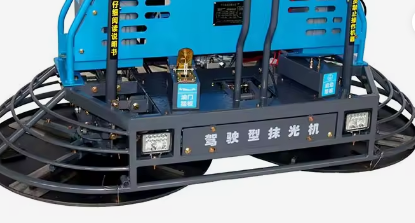
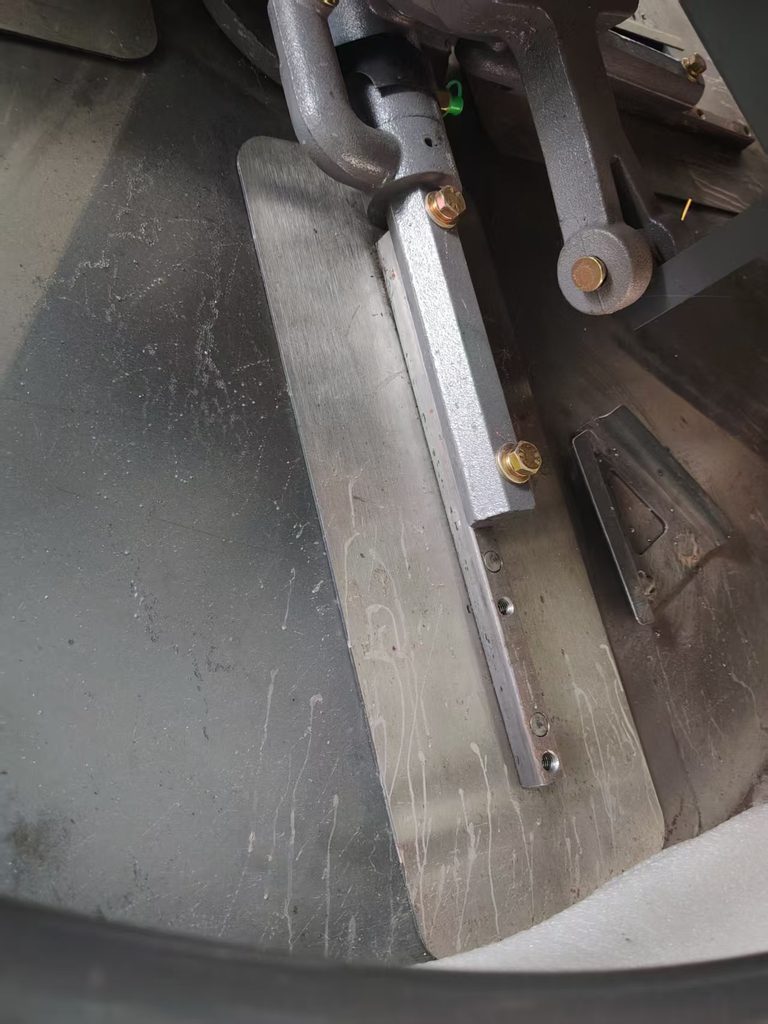
Why Power Float Trowel Blade Replacement Is Important
The blades are one of the most important working parts of a power float trowel. During operation, the blades rotate at high speed and directly contact the concrete surface. This constant contact gradually reduces blade thickness and affects performance.
A timely power float trowel blade replacement helps maintain consistent finishing quality and prevents unnecessary damage to other machine components.
Signs That You Need Power Float Trowel Blade Replacement
Operators should check blade conditions regularly. Waiting too long to replace blades can increase operating costs and reduce work efficiency.
Common signs that indicate the need for power float trowel blade replacement include:
| Blade Problem | Possible Effect on Concrete Finishing |
|---|---|
| Blade edges are worn | Uneven concrete surface |
| Blade thickness becomes thinner | Reduced finishing efficiency |
| Blade has cracks or deformation | Safety risks during operation |
| Blades wear unevenly | Machine vibration and poor balance |
| Concrete marks appear after troweling | Lower surface quality |
When these problems appear, replacing the blades immediately can help restore normal machine performance.
Benefits of Timely Power Float Trowel Blade Replacement
Regular blade replacement provides several advantages:
| Benefit | Description |
|---|---|
| Better finishing results | Helps create smoother concrete surfaces |
| Higher working efficiency | Allows faster concrete finishing |
| Reduced machine vibration | Maintains balanced blade rotation |
| Longer equipment lifespan | Reduces stress on gearbox and motor |
| Improved operator control | Makes machine operation more stable |
For construction companies and contractors, proper power float trowel blade replacement is an important part of equipment maintenance.
Understanding Different Types of Power Float Trowel Blades
Before starting a power float trowel blade replacement, selecting the correct blade type is essential. Different concrete finishing stages require different blades.
The wrong blade can affect surface quality and increase wear on the machine.
Main Types of Power Float Trowel Blades
| Blade Type | Main Application | Features |
|---|---|---|
| Finishing blades | Final concrete polishing | Creates smooth surfaces |
| Combination blades | Floating and finishing | Suitable for multiple stages |
| Float pans | Initial concrete leveling | Covers larger areas |
| Heavy-duty blades | Tough concrete surfaces | Longer service life |
Choosing the correct blade depends on concrete conditions, machine type, and finishing requirements.
Finishing Blade vs Combination Blade
Many users compare finishing blades and combination blades when preparing for power float trowel blade replacement.
Finishing Blades
Finishing blades are mainly used during the final stage of concrete finishing. They apply pressure to create a smooth and polished surface.
Advantages:
- Produces a high-quality finish
- Suitable for professional concrete floors
- Provides better surface appearance
Combination Blades
Combination blades are designed for both floating and finishing operations.
Advantages:
- Reduce the need for frequent blade changes
- Suitable for general construction projects
- Easy for operators to use
The correct choice depends on whether the project requires leveling, smoothing, or polishing.
Tools Required for Power Float Trowel Blade Replacement
Before beginning a power float trowel blade replacement, prepare all necessary tools. Proper preparation makes the replacement process faster and safer.
Common Tools Needed
| Tool | Purpose |
|---|---|
| Wrench or socket set | Remove and tighten blade bolts |
| Gloves | Protect hands during replacement |
| Safety glasses | Protect eyes from dust and debris |
| Cleaning brush | Remove concrete residue |
| New blades | Replace worn blades |
| Lubricant | Prevent bolt corrosion |
Using the correct tools helps avoid damage to blade mounting parts.
Safety Preparation Before Replacement
Safety should always be the first priority when performing a power float trowel blade replacement.
Before replacing blades:
Turn off the machine completely.
Disconnect the power supply or remove the fuel source if necessary.
Allow the blades to cool after operation.
Place the machine on a stable surface.
Wear protective equipment.
Never attempt blade replacement while the machine is running. Rotating blades can cause serious injuries.
Step-by-Step Power Float Trowel Blade Replacement Process
A correct power float trowel blade replacement process ensures that the machine operates smoothly and delivers consistent concrete finishing results. Although the replacement procedure may vary slightly depending on the machine model, most walk-behind and ride-on power float trowels follow similar steps.
Following the correct steps can prevent installation errors, reduce machine vibration, and extend blade service life.
Turn Off the Power Float Trowel and Prepare the Machine
Before starting the power float trowel blade replacement, make sure the machine is completely stopped.
For electric models:
- Disconnect the power cable.
- Confirm that the motor has stopped completely.
For gasoline or diesel models:
- Shut down the engine.
- Allow the machine to cool before working.
Place the power float trowel on a flat and stable surface. If necessary, lift the machine carefully to access the blades.
Remove the Old Blades
The next step in power float trowel blade replacement is removing the worn blades.
Most power float trowel blades are fixed with bolts or screws. Use the correct wrench size to loosen the fasteners.
During removal:
Hold the blade firmly.
Remove the mounting bolts carefully.
Take off the old blade from the blade arm.
Keep the removed bolts for inspection.
If bolts are damaged or severely worn, replacing them together with the blades is recommended.
Clean the Blade Mounting Area
After removing the old blades, clean the blade mounting area before installing new ones.
Concrete residue, dust, and rust can affect blade positioning and cause uneven rotation.
Cleaning steps include:
- Remove hardened concrete pieces.
- Clean the blade holder surface.
- Check the blade arm for damage.
- Inspect the bolt holes.
A clean installation surface improves the accuracy of the power float trowel blade replacement.
Install the New Power Float Trowel Blades
Installing new blades is the most important step of the power float trowel blade replacement process.
Place each new blade onto the blade arm and make sure:
- The blade direction is correct.
- The blade sits flat against the mounting surface.
- All bolts are installed properly.
- Each blade has the same position and height.
Incorrect blade installation may cause:
- Machine vibration
- Uneven concrete finishing
- Increased blade wear
- Reduced working efficiency
Tighten Bolts and Check Blade Balance
After installing the new blades, tighten all bolts securely.
However, avoid over-tightening because excessive force may damage the blade mounting parts.
A final inspection should include:
| Inspection Item | What to Check |
|---|---|
| Blade position | All blades installed evenly |
| Bolt tightness | No loose fasteners |
| Blade condition | No damage or deformation |
| Blade height | Same level for all blades |
| Rotation movement | Smooth and balanced |
Proper checking after power float trowel blade replacement helps prevent problems during operation.
How to Choose the Right Blades for Power Float Trowel Blade Replacement
Choosing suitable blades is just as important as the replacement process itself. Different concrete applications require different blade materials, sizes, and designs.
Before purchasing replacement blades, consider the following factors:
Check the Power Float Trowel Model
The first step is confirming machine compatibility.
Different power float trowel models may use different:
- Blade dimensions
- Mounting hole positions
- Blade arm designs
- Rotation systems
Using incorrect blades may prevent proper installation or affect finishing performance.
Consider Concrete Surface Requirements
The purpose of the project determines the correct blade choice.
| Application | Recommended Blade Type |
|---|---|
| Initial concrete leveling | Float pan |
| General finishing work | Combination blade |
| Smooth industrial floors | Finishing blade |
| Large concrete areas | Heavy-duty blade |
Selecting the right blade helps operators achieve better results with fewer replacements.
Select Suitable Blade Material
Blade material affects durability and performance.
Common blade materials include:
| Material Type | Characteristics |
|---|---|
| Standard steel | Suitable for regular finishing work |
| Hardened steel | Better wear resistance |
| Heavy-duty alloy | Designed for demanding applications |
For frequent commercial concrete projects, durable blades can reduce the frequency of power float trowel blade replacement.
Common Mistakes During Power Float Trowel Blade Replacement
Although power float trowel blade replacement is a simple maintenance task, incorrect procedures can reduce machine performance.
Understanding common mistakes helps operators avoid unnecessary problems.
Replacing Only One Damaged Blade
Some operators replace only one damaged blade while keeping old blades on the machine.
This can create imbalance because:
- Blade thickness may be different.
- Rotation weight becomes uneven.
- Machine vibration may increase.
For better performance, replacing blades as a complete set is usually recommended.
Installing Blades in the Wrong Direction
Power float trowel blades have a specific working direction.
Incorrect installation may result in:
- Poor concrete finishing
- Reduced blade lifespan
- Increased machine load
Always check the blade design and installation position before tightening bolts.
Ignoring Blade Arm Inspection
During power float trowel blade replacement, many operators focus only on the blades and ignore other components.
The blade arms should also be checked for:
- Bending
- Cracks
- Excessive wear
- Loose connections
Damaged blade arms can affect the performance of new blades.
Not Checking Blade Balance
After completing power float trowel blade replacement, some operators immediately start working without testing.
A quick test should be performed first.
Check:
- Smooth rotation
- Machine vibration
- Blade contact with the surface
- Abnormal noise
A balanced blade system improves finishing quality and operator control.
How Often Should You Perform Power Float Trowel Blade Replacement?
The frequency of power float trowel blade replacement depends on several factors, including concrete hardness, working hours, blade quality, and operating conditions.
There is no fixed replacement schedule for every project. Instead, operators should regularly inspect blade conditions and replace them when performance decreases.
Factors Affecting Power Float Trowel Blade Replacement Frequency
| Factor | Effect on Blade Wear |
|---|---|
| Concrete hardness | Harder concrete causes faster blade wear |
| Working time | Longer operation increases friction |
| Blade material | Higher-quality blades usually last longer |
| Operator technique | Incorrect operation can accelerate damage |
| Surface condition | Rough surfaces increase blade pressure |
For example, a power float trowel used daily on large industrial floors may require more frequent power float trowel blade replacement compared with a machine used occasionally for small projects.
How to Extend the Life of Power Float Trowel Blades
Although blade replacement is necessary, proper maintenance can extend blade service life and reduce unnecessary downtime.
A good maintenance routine helps operators get better performance from each set of blades.
Clean Blades After Every Use
Concrete residue can harden on blades and affect future performance.
After finishing work:
- Remove remaining concrete materials.
- Clean blade surfaces.
- Check for cracks or deformation.
- Store the machine in a dry location.
Regular cleaning is one of the easiest ways to delay power float trowel blade replacement.
Avoid Operating on Unsuitable Surfaces
Power float trowel blades are designed for concrete finishing, not for contact with extremely hard objects.
Avoid:
- Metal pieces
- Stones
- Construction debris
- Uneven surfaces
Contact with foreign materials can damage blade edges and increase the need for power float trowel blade replacement.
Use Correct Operating Techniques
Operator experience directly affects blade wear.
Good operating practices include:
- Adjusting blade pressure correctly.
- Avoiding excessive machine speed.
- Maintaining steady movement.
- Using suitable blade angles.
Incorrect operation may cause uneven blade wear and reduce finishing quality.
Store Replacement Blades Properly
Unused blades should also be stored correctly.
Recommended storage conditions:
| Storage Method | Benefit |
|---|---|
| Keep blades dry | Prevents rust |
| Avoid stacking under heavy pressure | Prevents deformation |
| Store in original packaging | Protects blade edges |
| Keep away from chemicals | Prevents corrosion |
Proper storage ensures that replacement blades are ready for installation when needed.
Power Float Trowel Blade Replacement vs Blade Repair: Which Is Better?
When blades become damaged, some operators consider repairing them instead of replacing them.
However, the best choice depends on the blade condition.
| Situation | Recommended Solution |
|---|---|
| Slight surface wear | Continue using after inspection |
| Small edge damage | Consider professional repair |
| Severe wear | Perform power float trowel blade replacement |
| Cracked blade | Replace immediately |
| Deformed blade | Replace immediately |
In most professional construction applications, power float trowel blade replacement is the safer and more reliable option when blades are seriously worn.
Difference Between Walk-Behind and Ride-On Power Float Trowel Blade Replacement
Both walk-behind and ride-on power float trowels require regular blade maintenance. However, the replacement process and blade requirements may differ.
Comparison of Blade Replacement Requirements
| Feature | Walk-Behind Power Float Trowel | Ride-On Power Float Trowel |
|---|---|---|
| Machine size | Compact design | Large working area |
| Blade quantity | Usually fewer blades | More blades or dual rotors |
| Replacement difficulty | Relatively simple | Requires more inspection |
| Common applications | Small and medium floors | Large industrial projects |
| Maintenance frequency | Depends on usage | Higher due to larger workload |
For both machine types, correct power float trowel blade replacement is essential for maintaining finishing performance.
Signs of Poor Installation After Power Float Trowel Blade Replacement
Even after installing new blades, problems may occur if the replacement process is not completed correctly.
Operators should pay attention to the following warning signs:
| Problem | Possible Cause |
|---|---|
| Strong vibration | Uneven blade installation |
| Machine moves unevenly | Incorrect blade height |
| Poor concrete finish | Wrong blade type |
| Unusual noise | Loose bolts or damaged parts |
| Fast blade wear | Incorrect operation or installation |
If these problems appear, stop the machine and inspect the blade installation again.
Professional Tips for Better Power Float Trowel Blade Replacement Results
Experienced operators usually follow several practical tips to improve replacement quality.
Replace All Blades at the Same Time
Replacing blades as a complete set helps maintain:
- Balanced rotation
- Equal pressure distribution
- Consistent concrete finishing
Mixing old and new blades may create uneven results.
Match Blade Selection With Concrete Conditions
Different concrete surfaces require different blade choices.
For example:
- Fresh concrete may require float pans.
- Medium finishing work may use combination blades.
- Final polishing requires finishing blades.
Correct blade selection improves the overall effectiveness of power float trowel blade replacement.
Keep a Blade Inspection Record
For professional contractors, recording blade usage can improve maintenance planning.
A simple inspection record can include:
| Record Item | Details |
|---|---|
| Machine model | Equipment identification |
| Blade type | Installed blade specification |
| Installation date | Replacement tracking |
| Working hours | Wear evaluation |
| Condition notes | Maintenance history |
This helps determine the best replacement schedule for each machine.
Why Professional Contractors Need Proper Power Float Trowel Blade Replacement
For construction companies, equipment reliability directly affects project efficiency.
A worn blade can lead to:
- Longer finishing time
- Uneven concrete surfaces
- Increased labor requirements
- Lower project quality
Regular power float trowel blade replacement helps contractors maintain stable production and achieve professional concrete finishes.
Whether working on warehouses, factories, parking areas, or commercial buildings, proper blade maintenance is an important part of successful concrete finishing.
If you need concrete cutters,concrete grinders,concrete power trowels or any other services, please feel free to contact us!
Email: teresa@huashuo-machine.com
WhatsApp: +86 15554448948
Facebook: https://www.facebook.com/profile.php?id=61560318418325
Tik Tok: https://www.tiktok.com/@huateresa
Conclusion
A proper power float trowel blade replacement process is essential for maintaining machine performance and achieving high-quality concrete finishing results. Worn or damaged blades can negatively affect surface smoothness, machine stability, and overall working efficiency.
By understanding when to replace blades, selecting the correct blade type, preparing the right tools, and following the correct installation steps, operators can complete power float trowel blade replacement safely and effectively.
Regular blade inspection and maintenance are also important. Checking blade wear, cleaning the machine after use, and storing replacement blades correctly can extend blade service life and reduce unexpected downtime.
For construction contractors, choosing high-quality blades and performing timely power float trowel blade replacement can improve productivity, reduce maintenance costs, and ensure better concrete floor results.
Whether you operate a small walk-behind power float trowel or a large ride-on power float trowel, proper blade care is a key factor in achieving smooth, durable, and professional concrete surfaces.
FAQ
How do I know when power float trowel blade replacement is needed?
You should consider power float trowel blade replacement when blades show obvious signs of wear, damage, cracks, deformation, or reduced finishing performance.
Common indicators include:
- Uneven concrete surfaces
- Increased machine vibration
- Visible blade edge wear
- Poor finishing results
- Excessive noise during operation
Regular inspection helps determine the right replacement time.
How often should I replace power float trowel blades?
The replacement frequency depends on several factors, including:
- Concrete hardness
- Working hours
- Blade quality
- Machine type
- Operating conditions
There is no universal replacement interval. Operators should inspect blades regularly and perform power float trowel blade replacement when blade performance decreases.
Can I replace only one power float trowel blade?
Although it is possible to replace one damaged blade, replacing all blades together is usually recommended.
Using a complete set of new blades helps maintain:
- Balanced rotation
- Equal pressure distribution
- Better concrete finishing quality
Replacing only one blade may cause uneven wear and machine vibration.
What tools are needed for power float trowel blade replacement?
The common tools required for power float trowel blade replacement include:
| Tool | Purpose |
|---|---|
| Wrench set | Remove and tighten bolts |
| Safety gloves | Protect hands |
| Safety glasses | Protect eyes |
| Cleaning tools | Remove concrete residue |
| New blades | Replace worn blades |
Preparing tools before starting makes the replacement process faster and safer.
Are finishing blades and combination blades the same?
No. Finishing blades and combination blades have different purposes.
| Blade Type | Main Purpose |
|---|---|
| Finishing blade | Creates smooth final surfaces |
| Combination blade | Used for both floating and finishing |
The correct blade choice depends on the concrete finishing stage and project requirements.
Can worn power float trowel blades damage the machine?
Yes. Severely worn blades can affect the machine’s balance and increase stress on components such as:
- Blade arms
- Gearbox
- Motor system
Performing timely power float trowel blade replacement helps protect the machine and maintain stable operation.
How can I make power float trowel blades last longer?
To extend blade life:
- Clean blades after every use.
- Avoid contact with hard debris.
- Use correct operating techniques.
- Choose suitable blades for the application.
- Store spare blades properly.
Good maintenance reduces unnecessary power float trowel blade replacement frequency.
Can I install power float trowel blades by myself?
Yes, many operators can complete power float trowel blade replacement by following proper procedures.
However, always:
- Turn off the machine completely.
- Use correct tools.
- Install blades in the correct direction.
- Check blade balance before operation.
For large ride-on machines, professional maintenance support may be recommended.
What happens if power float trowel blades are installed incorrectly?
Incorrect blade installation can cause:
- Machine vibration
- Uneven concrete finishing
- Increased blade wear
- Reduced working efficiency
After completing power float trowel blade replacement, always check blade position, bolt tightness, and rotation balance before starting work.
Where can I buy replacement blades for a power float trowel?
Replacement blades are available from construction equipment manufacturers, machinery suppliers, and professional concrete tool distributors.
When purchasing blades, make sure they match:
- Power float trowel model
- Blade size
- Mounting system
- Application requirements
Choosing compatible blades ensures better results after power float trowel blade replacement.