
Choosing the best concrete cutter for construction is an important decision for contractors, builders, and construction professionals. Concrete cutting is a common requirement in modern construction projects, including road construction, building renovation, concrete slab modification, and infrastructure development. A reliable concrete cutter can improve cutting accuracy, increase working efficiency, and reduce unnecessary labor costs.
The best concrete cutter for construction should provide strong cutting performance, stable operation, long service life, and excellent adaptability for different construction environments. With many types of concrete cutters available on the market, understanding the key features and selection factors is essential before making a purchase decision.
Construction professionals need equipment that can handle different concrete conditions, including reinforced concrete, asphalt surfaces, concrete floors, and expansion joints. The right concrete cutter should combine powerful performance with user-friendly operation to meet the requirements of both small and large-scale construction projects.
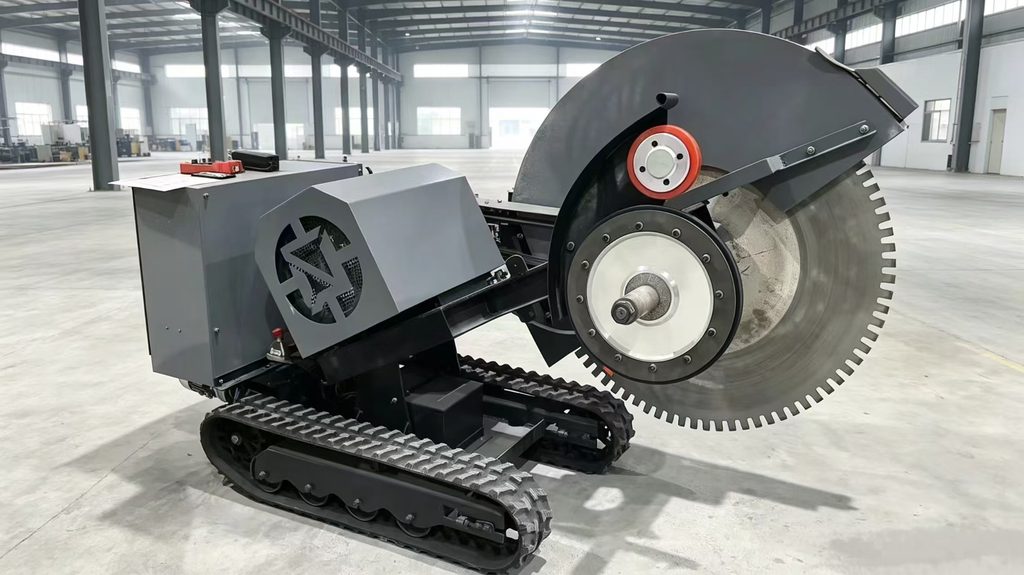
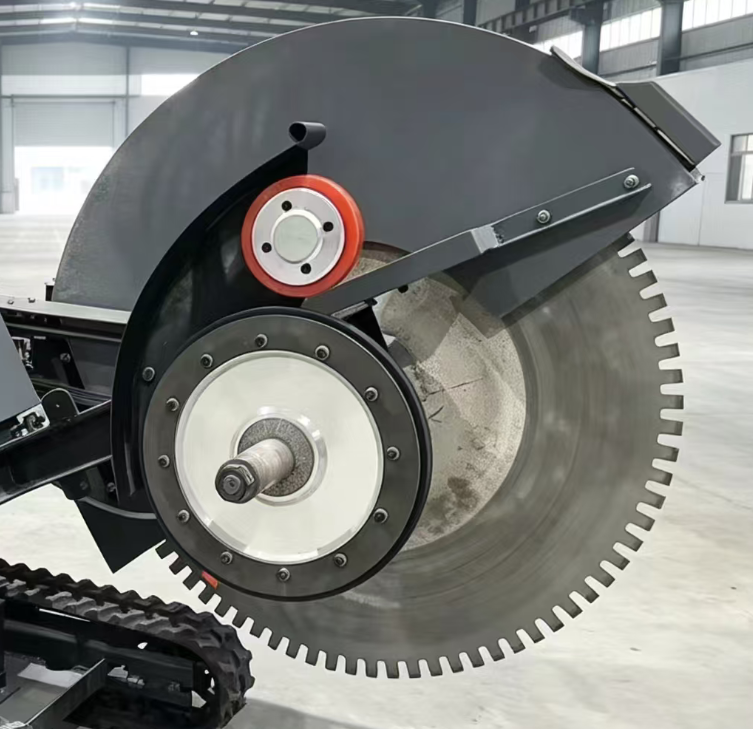
Why Choosing the Best Concrete Cutter for Construction Matters
Concrete is one of the most widely used materials in construction because of its strength and durability. However, modifying concrete structures requires specialized equipment. Ordinary cutting tools cannot provide the accuracy and power needed for professional construction work.
The best concrete cutter for construction allows operators to achieve clean and precise cuts while maintaining high productivity. Whether cutting concrete slabs, roads, floors, or walls, a high-quality machine helps reduce cutting time and improve project results.
A poor-quality concrete cutter may cause several problems:
| Problem | Possible Result |
|---|---|
| Low cutting power | Slow working speed and reduced efficiency |
| Poor blade quality | Uneven cuts and frequent replacement |
| Weak structure | Increased vibration and shorter service life |
| Unstable operation | Lower cutting accuracy |
| Poor cooling system | Motor overheating |
For construction companies, investing in the right equipment means better performance, fewer maintenance issues, and improved project efficiency.
Main Types of Concrete Cutters for Construction
Before selecting the best concrete cutter for construction, buyers should understand the different machine types available. Each type has specific advantages depending on the working environment.
Walk-Behind Concrete Cutter
Walk-behind concrete cutters are commonly used in construction projects because they provide stable operation and precise cutting performance.
These machines are suitable for:
- Concrete floor cutting
- Road repair projects
- Expansion joint cutting
- Asphalt cutting
- Industrial floor modification
The operator controls the machine by walking behind it, allowing better control over cutting direction and depth.
Handheld Concrete Cutter
Handheld concrete cutters are lightweight and flexible machines designed for smaller cutting tasks.
They are commonly used for:
- Wall openings
- Small concrete repairs
- Pipe installation
- Electrical work
- Construction remodeling
The main advantage of handheld models is portability. They can access areas where larger machines cannot operate.
Road Concrete Cutter
Road concrete cutters are designed for heavy-duty construction applications. They usually feature stronger frames, larger blades, and powerful engines.
They are ideal for:
- Highway maintenance
- Airport runway repair
- Large concrete slab cutting
- Municipal construction projects
Key Features of the Best Concrete Cutter for Construction
The best concrete cutter for construction should include several important features that directly affect cutting performance, durability, and operator experience.
Powerful Motor Performance
A powerful motor is one of the most important features of a professional concrete cutter. Concrete is extremely hard, especially reinforced concrete, so sufficient power is necessary to maintain stable cutting performance.
Electric motors and gasoline engines are the two common power options.
| Power Type | Advantages | Suitable Applications |
|---|---|---|
| Electric Motor | Low noise, easy maintenance, clean operation | Indoor floors, workshops, buildings |
| Gasoline Engine | Strong power, flexible operation | Roads, outdoor construction sites |
| Diesel Engine | High torque and durability | Heavy-duty industrial projects |
The best concrete cutter for construction should provide consistent power output to avoid slow cutting speeds and machine overload.
High-Quality Cutting Blade Compatibility
The blade is another critical component that determines cutting quality. A powerful machine cannot achieve good results without the correct blade.
Different construction materials require different blades.
| Blade Type | Application |
|---|---|
| Diamond Blade | Concrete, reinforced concrete, stone |
| Asphalt Blade | Road and asphalt cutting |
| Segmented Blade | Deep cutting and heavy-duty applications |
| Turbo Blade | Faster cutting with smoother edges |
A professional concrete cutter should support various blade sizes and types, allowing users to adapt to different construction requirements.
Adjustable Cutting Depth
Cutting depth is an important factor when choosing the best concrete cutter for construction. Different construction projects require different cutting depths.
For example:
- Floor cutting may require shallow precision cuts.
- Road projects may require deeper cutting capacity.
- Concrete slab modification may require adjustable depth control.
A good concrete cutter should allow operators to adjust cutting depth easily and accurately.
Stable Frame and Low Vibration Design
A stable structure is one of the most important characteristics of the best concrete cutter for construction. During concrete cutting operations, the machine experiences strong resistance from hard materials. Without a strong frame design, excessive vibration may affect cutting accuracy and increase operator fatigue.
A professional concrete cutter should use a durable frame structure that can withstand long working hours in demanding construction environments.
The advantages of a stable frame include:
- Improved cutting accuracy
- Reduced machine movement during operation
- Longer equipment service life
- Better operator control
- Reduced component wear
For construction projects, especially large-scale applications, machine stability directly affects work efficiency. A machine with excessive vibration may create uneven cutting lines and require additional finishing work.
| Feature | Benefit for Construction Work |
|---|---|
| Heavy-duty steel frame | Improves machine durability |
| Reinforced components | Handles continuous operation |
| Shock absorption design | Reduces vibration during cutting |
| Stable wheel system | Provides accurate cutting direction |
The best concrete cutter for construction should maintain smooth movement even when cutting dense concrete or reinforced surfaces.
Dust Control and Cooling System
Concrete cutting produces a large amount of dust, especially when working with dry cutting methods. Effective dust control is an essential feature of the best concrete cutter for construction because it improves the working environment and protects operators.
Many professional concrete cutters include water cooling systems. Water is supplied to the blade during cutting, reducing heat generation and controlling dust.
Benefits of Water Cooling System
A water cooling system provides several advantages:
- Extends blade life
- Prevents overheating
- Reduces concrete dust
- Improves cutting performance
- Creates cleaner working conditions
For indoor construction projects, dust management is especially important because excessive concrete dust can affect workers and nearby equipment.
| Cooling Method | Advantages | Suitable Applications |
|---|---|---|
| Water Cooling | Controls dust and reduces blade temperature | Indoor and outdoor construction |
| Air Cooling | Simple structure and easy operation | Light cutting tasks |
| Combined Cooling System | Provides improved performance | Heavy-duty applications |
When choosing the best concrete cutter for construction, buyers should consider the working environment and select a machine with an appropriate cooling system.
Easy Operation and User-Friendly Design
Construction equipment should not only provide powerful performance but also be easy to operate. A user-friendly design allows operators to complete cutting tasks faster and with fewer mistakes.
The best concrete cutter for construction usually includes practical features that improve operator experience.
Important design features include:
- Adjustable handle height
- Clear control panel
- Easy blade replacement system
- Comfortable operation position
- Simple depth adjustment mechanism
These features reduce operator fatigue during long working periods.
For contractors managing multiple projects, easy operation is especially valuable because different workers can quickly learn how to use the equipment correctly.
Portability and Working Flexibility
Construction sites often have different working conditions. A concrete cutter may need to move between different locations, floors, or project areas. Therefore, portability is another important factor when selecting the best concrete cutter for construction.
A portable concrete cutter should provide:
- Compact structure
- Easy transportation
- Simple installation
- Flexible operation
Different construction applications require different machine sizes.
| Project Type | Recommended Concrete Cutter Feature |
|---|---|
| Small repair work | Lightweight and portable design |
| Building construction | Medium-size cutter with flexible operation |
| Road construction | Heavy-duty structure and large cutting capacity |
| Industrial flooring | Stable operation and precise cutting |
A suitable machine improves productivity because workers spend less time moving equipment and more time completing cutting tasks.
Safety Features of the Best Concrete Cutter for Construction
Safety is a major consideration in construction environments. The best concrete cutter for construction should include safety features that protect both operators and equipment.
Important safety functions include:
Blade Guard Protection
A blade guard helps prevent accidental contact with the rotating blade. It also improves operator safety during cutting operations.
Emergency Stop Function
Professional machines should allow operators to quickly stop the equipment in emergency situations.
Stable Operating Control
A well-designed handle system helps operators maintain control and avoid unexpected machine movement.
Overload Protection
For electric concrete cutters, overload protection can prevent motor damage caused by excessive working pressure.
| Safety Feature | Purpose |
|---|---|
| Blade guard | Protects operators from blade contact |
| Emergency switch | Allows quick shutdown |
| Protective cover | Reduces exposure to moving parts |
| Stable handle design | Improves machine control |
Choosing a safe machine is essential for construction companies that prioritize worker protection and long-term equipment reliability.
Durability and Maintenance Requirements
Construction equipment often works in harsh environments, including dust, moisture, and heavy workloads. Therefore, durability is a key factor when choosing the best concrete cutter for construction.
A durable concrete cutter should have:
- Strong machine components
- High-quality bearings
- Reliable transmission system
- Easy maintenance access
- Replaceable wear parts
Regular maintenance helps extend machine life and maintain cutting performance.
Common maintenance tasks include:
| Maintenance Item | Recommended Action |
|---|---|
| Blade inspection | Check wear and damage regularly |
| Engine or motor check | Maintain stable power output |
| Water system cleaning | Prevent blockage |
| Wheel inspection | Ensure smooth movement |
| Frame inspection | Check for loose components |
A properly maintained concrete cutter can provide consistent performance throughout many construction projects.
How to Choose the Best Concrete Cutter for Construction
Selecting the best concrete cutter for construction requires careful consideration of several factors, including project requirements, cutting materials, working environment, and machine performance. Different construction applications need different types of concrete cutters, so buyers should evaluate their specific needs before making a decision.
A professional contractor should not only focus on machine power but also consider cutting accuracy, durability, maintenance requirements, and long-term reliability.
The following factors can help buyers select the right machine:
Consider the Cutting Application
The first step in choosing the best concrete cutter for construction is understanding the specific cutting application.
Different construction projects require different cutting capabilities.
| Construction Application | Recommended Concrete Cutter Features |
|---|---|
| Concrete floor cutting | Stable operation, accurate depth adjustment |
| Road repair | Heavy-duty frame, powerful engine, large blade capacity |
| Bridge construction | High durability, strong cutting performance |
| Building renovation | Portable design and flexible operation |
| Industrial warehouse floors | Precise cutting and low vibration |
For example, a small renovation project may only require a compact concrete cutter, while highway construction requires a powerful machine designed for continuous operation.
Evaluate Cutting Depth Requirements
Cutting depth is one of the most important specifications when selecting the best concrete cutter for construction.
Different concrete structures have different thicknesses. A machine with insufficient cutting depth may not complete the job efficiently.
Important cutting depth factors include:
- Blade diameter
- Machine design
- Motor power
- Cutting method
- Material hardness
A professional concrete cutter should provide adjustable cutting depth to meet different construction requirements.
| Cutting Requirement | Important Feature |
|---|---|
| Surface repair | Precise shallow cutting |
| Concrete slab cutting | Strong power and stable depth control |
| Road cutting | Large blade capacity |
| Deep concrete cutting | Heavy-duty structure |
Choosing the correct cutting depth capability improves productivity and avoids unnecessary additional work.
Choose Between Electric and Gasoline Concrete Cutters
The power source greatly affects the performance and application range of a concrete cutter.
The best concrete cutter for construction depends on whether the project requires indoor cleanliness or outdoor mobility.
Electric Concrete Cutter
Electric models are popular for indoor construction because they produce lower emissions and less noise.
Advantages:
- Easy maintenance
- Low operating noise
- Suitable for indoor environments
- Stable power supply
Applications:
- Warehouses
- Workshops
- Commercial buildings
- Indoor flooring projects
Gasoline Concrete Cutter
Gasoline-powered models are widely used in outdoor construction because they provide greater mobility.
Advantages:
- No power cable limitation
- Suitable for remote locations
- Strong working capability
- Flexible operation
Applications:
- Roads
- Parking areas
- Outdoor concrete structures
- Infrastructure projects
| Comparison | Electric Concrete Cutter | Gasoline Concrete Cutter |
|---|---|---|
| Power source | Electricity | Fuel engine |
| Working environment | Mainly indoor | Mainly outdoor |
| Noise level | Lower | Higher |
| Mobility | Requires power supply | High flexibility |
| Maintenance | Simple | Requires engine maintenance |
Professional Features That Improve Cutting Performance
The best concrete cutter for construction is designed with features that improve efficiency and cutting quality.
Precision Cutting System
Accurate cutting is essential for professional construction projects. A precision cutting system helps operators create straight and clean cutting lines.
Benefits include:
- Reduced material damage
- Better project appearance
- Less finishing work
- Improved construction efficiency
Strong Transmission System
The transmission system transfers power from the motor or engine to the blade. A reliable transmission system ensures stable blade rotation during cutting.
A high-quality transmission system helps:
- Maintain consistent cutting speed
- Reduce power loss
- Improve machine durability
- Handle heavy workloads
Ergonomic Operation Design
Construction workers may operate equipment for many hours, so ergonomic design is important.
The best concrete cutter for construction should provide:
- Comfortable handles
- Easy movement control
- Reduced operator fatigue
- Convenient adjustment functions
A machine that is comfortable to operate can improve productivity during long construction schedules.
Best Concrete Cutter for Construction: Performance Comparison
Different concrete cutters have different strengths. Understanding their features helps buyers select suitable equipment.
| Concrete Cutter Type | Main Advantages | Common Applications |
|---|---|---|
| Handheld Concrete Cutter | Lightweight and flexible | Small repairs, wall cutting |
| Walk-Behind Concrete Cutter | Stable and accurate | Floors, roads, slabs |
| Heavy-Duty Concrete Cutter | Strong power and durability | Large construction projects |
| Electric Concrete Cutter | Clean and quiet operation | Indoor construction |
| Gasoline Concrete Cutter | High mobility | Outdoor projects |
The best concrete cutter for construction is not always the largest or most powerful machine. The right choice depends on matching machine features with project requirements.
Common Mistakes When Buying a Concrete Cutter
Many buyers focus only on motor power and ignore other important features. However, selecting the wrong machine can lead to reduced efficiency and increased maintenance costs.
Common mistakes include:
Choosing Insufficient Power
A machine with insufficient power may struggle with hard concrete materials, especially reinforced concrete.
Ignoring Blade Compatibility
Using unsuitable blades can reduce cutting performance and damage the equipment.
Overlooking Maintenance Requirements
A machine that is difficult to maintain may increase downtime during construction projects.
Selecting the Wrong Machine Size
A very large machine may be inconvenient for small projects, while a small machine may not handle heavy construction tasks.
Avoiding these mistakes helps contractors choose the best concrete cutter for construction with better performance and longer service life.
Maintenance Tips for the Best Concrete Cutter for Construction
Even the best concrete cutter for construction requires proper maintenance to maintain reliable performance. Regular maintenance not only extends machine service life but also helps ensure safe and efficient operation on construction sites.
Concrete cutting equipment often works under difficult conditions, including dust, vibration, heat, and heavy workloads. Without proper maintenance, machine performance may decrease over time.
The following maintenance practices are recommended:
Inspect the Blade Regularly
The blade is one of the most important components of a concrete cutter. A worn or damaged blade can reduce cutting efficiency and increase the load on the motor or engine.
Operators should regularly check:
- Blade wear condition
- Blade cracks or damage
- Cutting performance
- Proper blade installation
Using the correct blade helps the best concrete cutter for construction achieve cleaner cuts and longer working efficiency.
Clean the Machine After Use
Concrete dust and debris can accumulate around important components. Regular cleaning prevents dust from affecting machine performance.
Important cleaning areas include:
- Blade area
- Water cooling system
- Engine or motor surface
- Wheels and frame
- Control components
Keeping the machine clean helps reduce component wear and improves reliability.
Check the Cooling System
The cooling system plays an important role in protecting the blade and machine components during operation.
For water-cooled concrete cutters, operators should check:
- Water supply condition
- Water pipe blockage
- Spray performance
- Water flow consistency
A properly working cooling system helps the best concrete cutter for construction maintain stable performance during long cutting operations.
Maintain the Power System
Different concrete cutters require different maintenance methods depending on their power source.
| Power Type | Maintenance Requirements |
|---|---|
| Electric Motor | Check cables, connections, and motor condition |
| Gasoline Engine | Check oil, fuel system, and engine components |
| Diesel Engine | Maintain fuel system and engine parts |
Proper power system maintenance reduces unexpected downtime and improves machine reliability.
Why Choose a Professional Concrete Cutter Manufacturer?
Choosing a reliable manufacturer is an important step when purchasing the best concrete cutter for construction. A professional manufacturer can provide not only high-quality machines but also technical support and spare parts supply.
Experienced manufacturers usually offer:
- Stable product quality
- Strict quality inspection
- Multiple machine options
- Spare parts availability
- Technical support
- Custom solutions
For construction companies and distributors, working with a trusted manufacturer helps create long-term business value.
A professional supplier understands different market requirements and can provide suitable concrete cutters for various applications, including:
- Road construction
- Building projects
- Industrial flooring
- Infrastructure development
- Concrete repair projects
Advantages of Using the Best Concrete Cutter for Construction
The right concrete cutter provides several advantages for construction professionals.
Improved Working Efficiency
A powerful and stable concrete cutter can complete cutting tasks faster than manual tools, helping contractors save working time.
Better Cutting Accuracy
Professional machines provide cleaner and straighter cuts, reducing additional finishing work.
Lower Maintenance Requirements
A durable machine with quality components requires fewer repairs and reduces downtime.
Enhanced Safety
Modern concrete cutters include safety features that protect operators during construction operations.
| Advantage | Construction Benefit |
|---|---|
| High cutting performance | Faster project completion |
| Accurate cutting control | Better construction quality |
| Durable components | Longer service life |
| Easy operation | Reduced worker fatigue |
| Safety features | Safer working environment |
The best concrete cutter for construction helps contractors achieve better results while improving overall project efficiency.
Conclusion
Selecting the best concrete cutter for construction requires a clear understanding of machine performance, cutting requirements, and construction conditions. A professional concrete cutter should combine powerful performance, reliable blade compatibility, stable structure, adjustable cutting depth, and convenient operation.
Whether working on roads, concrete floors, industrial projects, or building renovations, choosing the right concrete cutter can significantly improve productivity and cutting quality.
The most important features of the best concrete cutter for construction include:
- Powerful motor or engine performance
- Durable machine structure
- High-quality blade compatibility
- Effective cooling system
- Accurate cutting depth adjustment
- Low vibration operation
- Easy maintenance
- Strong safety protection
By evaluating these factors, contractors and buyers can select a concrete cutter that meets their project requirements and delivers consistent performance.
A high-quality concrete cutter is not only a cutting tool but also an important investment for improving construction efficiency and achieving professional results.
If you need concrete cutters,concrete grinders,concrete power trowels or any other services, please feel free to contact us!
Email: teresa@huashuo-machine.com
WhatsApp: +86 15554448948
Facebook: https://www.facebook.com/profile.php?id=61560318418325
Tik Tok: https://www.tiktok.com/@huateresa
FAQ
What is the best concrete cutter for construction projects?
The best concrete cutter for construction depends on the project requirements. For large outdoor projects, heavy-duty gasoline concrete cutters are often suitable, while electric models are ideal for indoor construction where low noise and clean operation are important.
How do I choose the best concrete cutter for construction?
To choose the best concrete cutter for construction, consider factors such as cutting depth, motor power, blade compatibility, machine size, working environment, and maintenance requirements.
Can a concrete cutter cut reinforced concrete?
Yes. The best concrete cutter for construction can cut reinforced concrete when equipped with suitable diamond blades and sufficient cutting power. The machine specification and blade quality are important factors.
What blade should be used for concrete cutting?
Diamond blades are commonly used for concrete cutting because they provide excellent durability and cutting performance. Different diamond blade designs are suitable for normal concrete, reinforced concrete, and other construction materials.
How often should a concrete cutter be maintained?
Maintenance frequency depends on usage conditions. Machines used for heavy construction should be inspected more frequently. Regular blade checks, cleaning, cooling system inspection, and power system maintenance help keep the equipment in good condition.
Is an electric or gasoline concrete cutter better for construction?
Both have advantages. Electric concrete cutters are suitable for indoor construction because they are cleaner and quieter, while gasoline concrete cutters provide better mobility for outdoor construction sites.
Why is cutting depth important when choosing a concrete cutter?
Cutting depth determines whether the machine can complete specific construction tasks. The best concrete cutter for construction should provide adjustable cutting depth to handle different concrete thicknesses.
What features should a professional concrete cutter have?
A professional concrete cutter should include:
- Strong power system
- Durable frame
- Reliable blade support
- Stable operation
- Safety protection
- Easy maintenance design
These features help ensure efficient and safe construction operations.