
مقدمة
Whether you are a contractor, equipment rental company, or construction equipment distributor, choosing the right power trowel blades is one of the most important decisions for achieving a smooth, durable, and professional concrete surface. While many users focus on the power trowel machine itself, the performance of the machine largely depends on the quality and suitability of its blades.
High-quality power trowel blades improve finishing efficiency, reduce operator fatigue, extend equipment lifespan, and help create a more uniform concrete surface. On the other hand, poor-quality blades can wear out quickly, leave uneven marks, increase maintenance costs, and even damage the gearbox or spider assembly.
The market offers hundreds of different power trowel blades, making it difficult for buyers to identify which products provide genuine value. Blade thickness, steel material, heat treatment, balance, edge design, and manufacturing precision all affect performance and durability.
This comprehensive guide explains everything you need to know about power trowel blades, including their functions, different blade types, selection criteria, quality inspection methods, and professional buying advice. Whether you are purchasing blades for a walk-behind power trowel or a ride-on machine, this article will help you make an informed decision.
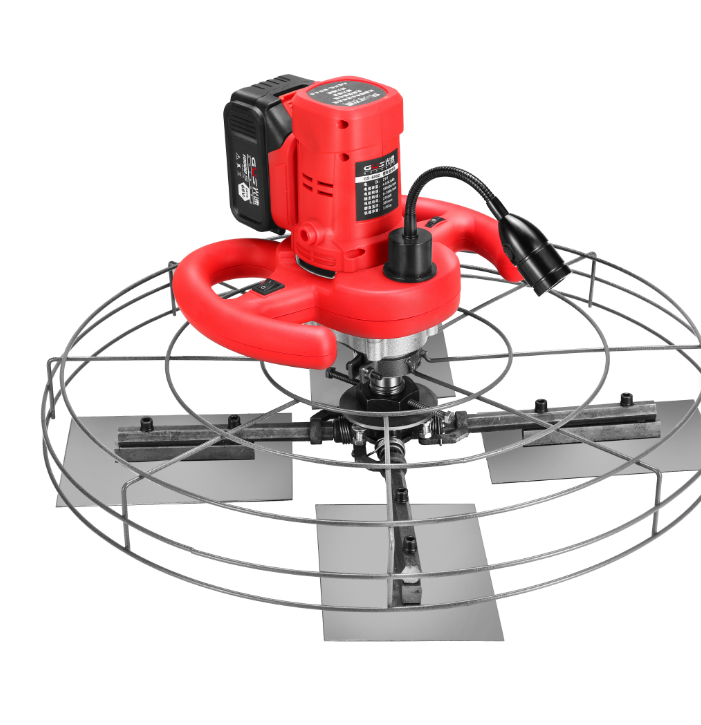
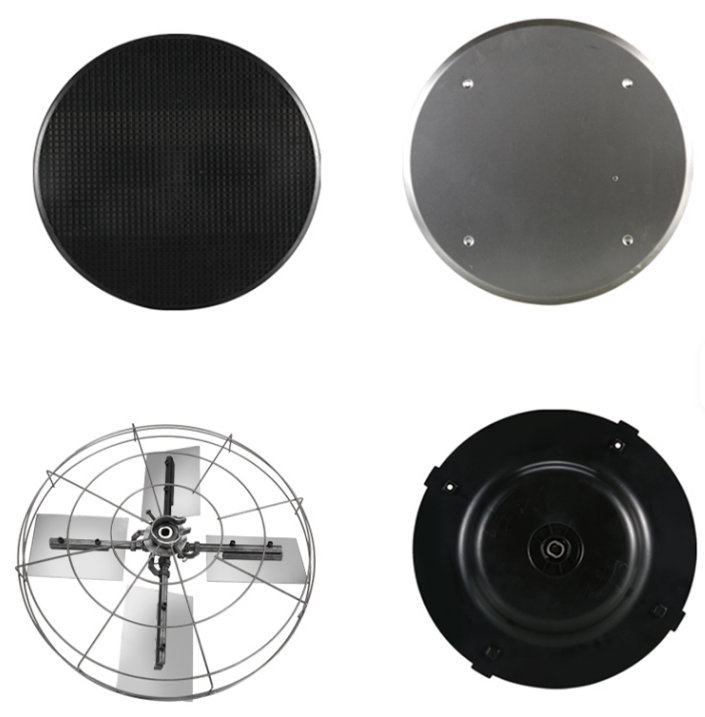
لماذا Power Trowel Blades Matter
Many users underestimate the importance of power trowel blades. In reality, these blades are the only components that make direct contact with fresh concrete. Their design determines how effectively the machine smooths, compacts, and polishes the surface.
Selecting suitable power trowel blades provides several advantages:
- Produces smoother concrete finishes
- Reduces finishing time
- Improves floor flatness
- Minimizes surface scratches
- Increases blade service life
- Reduces machine vibration
- Improves operator comfort
- Lowers long-term maintenance costs
Premium power trowel blades also maintain consistent contact pressure throughout operation, allowing contractors to achieve better finishing quality with fewer passes.
Main Functions of Power Trowel Blades
| Function | الوصف |
|---|---|
| Floating | Levels fresh concrete and removes imperfections. |
| Finishing | Creates a smooth, dense concrete surface. |
| Burnishing | Produces a polished finish with increased surface hardness. |
| Compaction | Compresses the concrete surface to improve durability. |
| Surface Correction | Eliminates minor ridges and uneven areas. |
Because every finishing stage requires different blade characteristics, understanding the available power trowel blades is essential before making a purchase.
Types of Power Trowel Blades
Not all power trowel blades are designed for the same application. Different construction stages require different blade shapes, thicknesses, and working angles.
Understanding each type helps contractors maximize productivity while protecting both the machine and the concrete surface.
Float Blades
Float blades are used during the initial finishing stage when concrete still contains moisture.
Characteristics include:
- Wider contact area
- Gentle surface leveling
- Minimal digging into fresh concrete
- Excellent for removing ridges
Best applications:
- Newly poured concrete
- Industrial floors
- Warehouse slabs
- Parking lots
المزايا:
- Faster floating
- Reduced operator effort
- Improved floor flatness
Finish Blades
Finish power trowel blades are designed for the second finishing stage after the concrete has partially hardened.
Their narrower contact area generates higher surface pressure, allowing the machine to create a dense, smooth finish.
Suitable for:
- Commercial flooring
- Shopping centers
- Residential garages
- Factory floors
تشمل المزايا ما يلي:
- High gloss finish
- Better surface density
- Improved wear resistance
- Cleaner appearance
Combination Blades
Combination power trowel blades are among the most popular choices because they can perform both floating and finishing operations.
Advantages include:
- Reduced blade replacement time
- Lower inventory costs
- Suitable for most construction projects
- High versatility
These blades are especially popular among contractors who frequently switch between job sites.
Finish Pans
Although technically not blades, finish pans are often used together with power trowel blades.
A finish pan attaches beneath the blades and is mainly used during the floating stage.
Its functions include:
- Increasing contact area
- Eliminating footprints
- Reducing aggregate exposure
- Improving initial leveling
Comparison of Different Power Trowel Blades
The following table summarizes the characteristics of common power trowel blades.
| Blade Type | Best Construction Stage | Surface Finish | Durability | Ideal Projects |
|---|---|---|---|---|
| Float Blade | Fresh concrete | Medium | High | Warehouses, parking lots |
| Finish Blade | Final finishing | Excellent | High | Industrial floors, commercial buildings |
| Combination Blade | Floating & finishing | Very Good | Very High | General construction |
| Finish Pan | Initial floating | Good | Very High | Large concrete slabs |
How Blade Material Influences Performance
The material used in power trowel blades directly affects service life, wear resistance, and finishing quality.
Common blade materials include:
Carbon Steel
Carbon steel is the most common material for power trowel blades because it provides a good balance between hardness and flexibility.
المزايا:
- Good wear resistance
- Affordable
- Easy to manufacture
- Suitable for most projects
Heat-Treated Steel
Heat-treated power trowel blades undergo controlled heating and cooling processes that improve hardness and durability.
تشمل المزايا ما يلي:
- Longer lifespan
- Better edge retention
- Reduced deformation
- Excellent performance on large projects
High-Manganese Steel
High-manganese steel provides excellent toughness and impact resistance.
Recommended for:
- Heavy-duty construction
- التشغيل المستمر
- Large industrial flooring projects
How to Choose the Right Power Trowel Blades
Choosing the right power trowel blades involves more than selecting the correct size. Contractors should evaluate several technical factors to ensure optimal performance, durability, and compatibility with their equipment. A well-informed choice can reduce downtime, improve concrete finishing quality, and extend the service life of both the blades and the power trowel machine.
Below are the most important factors to consider before purchasing power trowel blades.
Match the Blade Size to Your Machine
The first step is confirming that the power trowel blades match your machine’s specifications.
Common blade sizes include:
| Power Trowel Diameter | Typical Blade Length | Common Applications |
|---|---|---|
| 24 in (600 mm) | 230–250 mm | Small residential jobs |
| 36 in (900 mm) | 340–360 mm | General construction |
| 40 in (1000 mm) | 350–370 mm | Commercial flooring |
| 46 in (1200 mm) | 450–460 mm | Large industrial floors |
Using improperly sized power trowel blades can lead to poor balance, increased vibration, uneven finishing, and premature wear.
Consider the Concrete Finishing Stage
Different construction stages require different power trowel blades.
- Fresh concrete: Float blades or finishing pans provide better leveling and prevent the machine from digging into the slab.
- Intermediate finishing: Combination blades offer flexibility while reducing the need for blade changes.
- Final finishing: Finish blades produce a denser, smoother, and more polished concrete surface.
Choosing the right blade for each stage improves efficiency and minimizes unnecessary passes over the concrete.
Evaluate Blade Thickness
Blade thickness has a significant impact on durability and finishing performance.
Generally:
- Thicker blades offer longer service life, greater rigidity, and better resistance to deformation.
- Thinner blades are lighter and may provide finer finishing but typically wear more quickly under heavy use.
For contractors handling large commercial projects, thicker power trowel blades are usually the better long-term investment.
Check Steel Quality
Not all steel performs the same under demanding job-site conditions.
High-quality power trowel blades are typically manufactured from:
- Premium carbon steel
- Heat-treated alloy steel
- High-manganese steel for heavy-duty applications
Good steel provides:
- Better wear resistance
- Higher impact strength
- Improved flexibility
- Longer operational life
Low-grade steel may appear similar initially but often develops cracks, bends, or uneven wear after limited use.
Verify Heat Treatment
Heat treatment is one of the most overlooked aspects when selecting power trowel blades.
Properly heat-treated blades offer:
- Consistent hardness
- Reduced edge deformation
- Longer service life
- Improved resistance to abrasive concrete
Manufacturers with strict quality control usually provide more consistent heat-treatment results than low-cost suppliers.
Inspect Manufacturing Precision
Precision manufacturing ensures that all power trowel blades have consistent dimensions and balanced weight.
Poor manufacturing may result in:
- الاهتزاز المفرط
- Uneven finishing
- Difficult installation
- Faster gearbox wear
Before purchasing, inspect:
- Hole positioning accuracy
- Straightness
- Surface flatness
- Uniform thickness
- Smooth edge finishing
High manufacturing precision directly contributes to smoother concrete finishes.
How to Judge the Quality of Power Trowel Blades
Many buyers compare products based only on appearance or price. However, the true quality of power trowel blades depends on several technical characteristics that determine durability, efficiency, and finishing performance.
The following checklist can help identify high-quality blades.
Quality Inspection Checklist
| بند الفحص | High-Quality Blade | Poor-Quality Blade |
|---|---|---|
| Steel Material | Premium carbon or alloy steel | Low-grade recycled steel |
| Heat Treatment | Uniform hardness | Uneven hardness |
| Blade Flatness | Perfectly straight | Warped or twisted |
| Surface Finish | Smooth, burr-free | Rough edges and burrs |
| Hole Accuracy | Precisely aligned | Misaligned mounting holes |
| Edge Consistency | Uniform thickness | Uneven edges |
| Wear Resistance | Excellent | Rapid wear |
| Balance | Stable during rotation | Causes vibration |
Examine Surface Flatness
Lay the power trowel blades on a flat table.
High-quality blades should sit evenly without rocking or visible gaps. Even slight warping can negatively affect finishing quality and machine stability.
Check Weld Quality (If Applicable)
Some specialized power trowel blades include reinforced welded components.
Signs of quality welding include:
- Smooth weld beads
- No visible cracks
- No excessive spatter
- Consistent reinforcement
Poor welding often becomes the first point of failure during heavy-duty operation.
Inspect Edge Uniformity
The blade edges should be straight, smooth, and free from burrs.
Uneven edges can:
- Scratch concrete surfaces
- Reduce finishing quality
- Accelerate blade wear
- Increase operator fatigue
Manufacturers using precision cutting and finishing equipment generally produce more reliable power trowel blades.
Test Flexibility Without Permanent Deformation
A quality power trowel blade should provide a balance between rigidity and flexibility.
If the blade bends too easily or fails to return to its original shape, the material or heat treatment may be inadequate. Excessively brittle blades, on the other hand, are more prone to cracking under impact.
Common Buying Mistakes When Choosing Power Trowel Blades
Even experienced contractors can make costly mistakes when purchasing power trowel blades. Choosing the wrong blades not only affects finishing quality but can also increase equipment wear, reduce productivity, and lead to unnecessary replacement costs.
Understanding these common mistakes will help you select the most suitable power trowel blades for your projects.
Choosing the Lowest Price Instead of the Best Value
Many buyers focus solely on price when purchasing power trowel blades. While inexpensive blades may reduce initial costs, they often wear out much faster than premium products.
Low-quality power trowel blades may suffer from:
- Poor steel quality
- Inconsistent heat treatment
- Faster edge wear
- Blade deformation
- Shorter service life
High-quality blades usually provide better long-term value because they require fewer replacements and maintain consistent finishing performance.
Ignoring Machine Compatibility
Not every set of power trowel blades fits every machine.
Before purchasing, always verify:
- Blade length
- Mounting hole spacing
- Blade width
- Bolt hole diameter
- Compatible machine model
Incorrectly matched power trowel blades may cause installation problems, machine vibration, and uneven concrete finishing.
Selecting the Wrong Blade Type
Using finish blades on fresh concrete or float blades during the final finishing stage can significantly reduce work quality.
Choose power trowel blades according to the construction stage:
- Float blades for leveling fresh concrete
- Combination blades for versatile applications
- Finish blades for producing smooth, polished surfaces
Matching the blade type to the job improves efficiency and reduces unnecessary rework.
Overlooking Manufacturing Quality
Some buyers only inspect blade appearance without evaluating manufacturing precision.
High-quality power trowel blades should have:
- Uniform thickness
- Accurate mounting holes
- Smooth edges
- Flat surfaces
- Consistent weight
These details help reduce vibration and improve machine stability.
Purchasing Without Considering Working Conditions
Different construction environments require different power trowel blades.
For example:
- Large industrial floors benefit from thicker, heavy-duty blades.
- Residential projects often require lighter blades for greater maneuverability.
- Abrasive concrete mixes demand blades with superior wear resistance.
Choosing blades based on actual working conditions improves productivity and extends blade life.
Power Trowel Blades Maintenance Guide
Proper maintenance is essential for maximizing the lifespan of power trowel blades. Even premium blades can wear out prematurely if they are not cleaned, inspected, and stored correctly.
Routine maintenance also improves finishing quality, minimizes machine downtime, and reduces replacement costs.
Clean the Blades After Every Job
Concrete residue hardens quickly and can negatively affect blade performance.
After each project:
- Remove wet concrete immediately.
- Use a plastic scraper instead of steel tools.
- Wash the blades with clean water before concrete cures.
- Dry thoroughly before storage.
Keeping power trowel blades clean prevents corrosion and ensures smooth operation during the next job.
Inspect for Wear Regularly
Before each use, inspect your power trowel blades for:
- التآكل المفرط
- Bent edges
- Surface cracks
- Loose mounting holes
- Rust or corrosion
Early detection prevents more serious equipment damage and maintains consistent finishing quality.
Tighten Mounting Bolts
Loose mounting hardware can cause:
- Machine vibration
- Uneven blade contact
- Premature blade wear
- Reduced operator safety
Always tighten mounting bolts according to the manufacturer’s specifications before operating the machine.
Rotate Blade Positions
Many contractors unknowingly use the same blade positions repeatedly.
Rotating power trowel blades at regular intervals helps:
- Distribute wear evenly
- Extend blade lifespan
- Improve finishing consistency
- Reduce vibration
Store Blades Correctly
Improper storage can shorten the life of power trowel blades.
Recommended storage practices include:
- Keep blades in a dry environment.
- Avoid direct contact with moisture.
- Apply a light protective oil coating for long-term storage.
- Stack blades flat to prevent warping.
- Store away from corrosive chemicals.
Good storage habits help preserve blade flatness and prevent rust.
Recommended Maintenance Schedule
Routine maintenance significantly improves the performance and longevity of power trowel blades.
| Maintenance Item | Recommended Frequency | الغرض |
|---|---|---|
| Remove concrete residue | After every use | Prevent buildup and corrosion |
| Inspect blade wear | Before each project | Detect damage early |
| Check mounting bolts | يوميًا | Maintain machine stability |
| Rotate blade positions | Every 40–60 working hours | Promote even wear |
| Lubricate mounting hardware | أسبوعي | Prevent bolt seizure |
| Inspect mounting holes | شهريًّا | Ensure safe installation |
| Replace damaged blades | Immediately | Maintain finishing quality |
Following this maintenance schedule helps contractors reduce downtime and maximize the service life of their power trowel blades.
When to Replace Power Trowel Blades
No matter how well they are maintained, power trowel blades eventually reach the end of their service life.
Knowing when to replace them is essential for maintaining both safety and concrete finishing quality.
Visible Edge Wear
Blade edges gradually become thinner through continuous contact with concrete.
Replace the blades if:
- The edges become noticeably rounded.
- Blade thickness is significantly reduced.
- The blade no longer maintains consistent contact with the floor.
Permanent Bending
Minor bending may sometimes be corrected, but permanently deformed power trowel blades should always be replaced.
Bent blades can cause:
- Uneven concrete surfaces
- Machine vibration
- Increased gearbox stress
- Reduced finishing efficiency
Cracks or Structural Damage
Even small cracks can quickly spread during operation.
Immediately replace power trowel blades if you observe:
- Surface cracks
- Broken corners
- Deep scratches
- Weld failure
- Hole deformation
Operating damaged blades presents a serious safety risk.
الاهتزاز المفرط
If vibration increases despite proper machine maintenance, inspect the power trowel blades.
Common causes include:
- Uneven wear
- Weight imbalance
- Incorrect installation
- Blade deformation
Replacing worn blades often restores smooth machine operation.
Declining Concrete Finish Quality
When concrete surfaces become difficult to smooth or require additional passes, worn power trowel blades may be the cause.
Signs include:
- Visible finishing lines
- Surface scratches
- Poor gloss
- Uneven polishing
Replacing the blades at the appropriate time helps maintain professional finishing results.
Troubleshooting Common Power Trowel Blade Problems
The following table summarizes common issues encountered with power trowel blades, their likely causes, and recommended solutions.
| Problem | السبب المحتمل | Recommended Solution |
|---|---|---|
| Uneven concrete finish | Worn or bent blades | Replace damaged blades and check blade alignment |
| Excessive machine vibration | Loose bolts or blade imbalance | Tighten hardware and inspect blade balance |
| Rapid blade wear | Low-quality steel or abrasive concrete | Use high-quality heat-treated blades |
| Surface scratches | Burrs or damaged blade edges | Replace or smooth damaged blades |
| Difficult installation | Incorrect blade dimensions | Verify machine compatibility before purchase |
| Blade rust | Improper storage | Clean, dry, and apply protective oil before storage |
| Blade cracking | Material fatigue or impact damage | Replace immediately and inspect operating practices |
| Poor polishing effect | Wrong blade type for finishing stage | Select the appropriate float, finish, or combination blade |
Professional Tips for Extending Power Trowel Blades Life
Investing in high-quality power trowel blades is only part of achieving excellent concrete finishing results. Proper operating techniques and preventive maintenance can significantly extend blade life, reduce replacement frequency, and improve overall project efficiency.
Below are practical recommendations used by experienced contractors to maximize the performance of power trowel blades.
Break In New Blades Properly
Many operators install new power trowel blades and immediately begin high-speed finishing. This can cause uneven wear during the first few hours of operation.
Instead:
- Start with a lower blade pitch.
- Operate at moderate speed.
- Increase blade angle gradually as the concrete hardens.
- Inspect the blades after the first project.
A proper break-in process helps the blades wear evenly and improves their long-term performance.
Adjust Blade Pitch Correctly
Blade pitch directly affects finishing quality and blade wear.
General recommendations include:
- Low pitch for floating fresh concrete.
- Medium pitch for intermediate finishing.
- High pitch for final polishing.
Using excessive blade pitch too early can overload power trowel blades, create surface defects, and shorten their service life.
Avoid Excessive Machine Speed
Running a power trowel at maximum speed throughout the entire finishing process is rarely necessary.
Excessive speed may cause:
- Faster blade wear
- Increased machine vibration
- Reduced finishing precision
- Higher fuel or energy consumption
Adjust machine speed according to the concrete curing stage to achieve the best results.
Replace Blades as a Complete Set
Some contractors replace only the most worn power trowel blades to reduce costs.
However, mixing new and heavily worn blades can create:
- Machine imbalance
- Uneven finishing
- Increased vibration
- Faster wear of the remaining blades
Replacing the complete set ensures balanced performance and a smoother concrete finish.
Purchase from Reliable Manufacturers
Not all power trowel blades are manufactured to the same quality standards.
When selecting a supplier, consider whether they offer:
- High-grade raw materials
- Precision manufacturing
- Strict quality inspection
- Consistent heat treatment
- OEM and custom manufacturing capabilities
- Reliable after-sales support
Working with a trusted manufacturer helps ensure consistent product quality and long-term value.
Best Practices for Choosing Power Trowel Blades
Before purchasing power trowel blades, review the following checklist to make an informed decision.
| Selection Factor | Why It Matters | Recommendation |
|---|---|---|
| Blade Size | Ensures compatibility with the machine | Match the manufacturer’s specifications |
| Blade Type | Determines finishing performance | Select float, finish, or combination blades based on the project stage |
| Steel Material | Affects durability and wear resistance | Choose premium carbon or alloy steel |
| Heat Treatment | Improves hardness and lifespan | Confirm consistent heat treatment |
| Manufacturing Precision | Reduces vibration and improves balance | Inspect flatness, hole accuracy, and edge quality |
| Surface Finish | Prevents scratches on concrete | Choose smooth, burr-free blades |
| Supplier Reputation | Ensures consistent quality | Buy from experienced manufacturers or authorized distributors |
Using this checklist can help contractors avoid common purchasing mistakes and select power trowel blades that deliver reliable performance over the long term.
الخلاصة
Choosing the right power trowel blades is essential for achieving smooth, durable, and professional concrete finishes. Although many buyers focus primarily on the power trowel machine, the blades are the components that directly contact the concrete surface and have the greatest influence on finishing quality.
When selecting power trowel blades, always consider machine compatibility, blade type, steel material, thickness, heat treatment, manufacturing precision, and overall product quality. A careful evaluation before purchasing can significantly reduce maintenance costs, improve construction efficiency, and extend blade service life.
Routine inspection and maintenance are equally important. Cleaning the blades after every use, checking for wear, tightening mounting hardware, and replacing damaged blades before they fail will help maintain consistent finishing results and protect the power trowel from unnecessary wear.
Whether you are a contractor, equipment rental company, distributor, or construction equipment dealer, investing in high-quality power trowel blades is a smart long-term decision. Premium blades not only improve floor quality but also reduce downtime, increase productivity, and deliver better value throughout their operating life.
By following the recommendations in this guide, you can confidently choose the best power trowel blades for your projects and ensure reliable performance on every concrete finishing job.
الأسئلة الشائعة
What are power trowel blades used for?
Power trowel blades are used to level, smooth, compact, and polish freshly poured concrete. They are essential for producing flat, durable, and professional concrete surfaces in residential, commercial, and industrial construction.
How do I choose the right power trowel blades?
Choose power trowel blades based on your machine size, the stage of concrete finishing, blade material, thickness, heat treatment, and overall manufacturing quality. Always verify compatibility with your power trowel model before purchasing.
How long do power trowel blades last?
The lifespan of power trowel blades depends on factors such as concrete abrasiveness, operating conditions, maintenance, and blade quality. Properly maintained, high-quality blades typically last much longer than low-grade alternatives.
What is the difference between float blades and finish blades?
Float power trowel blades are designed for leveling fresh concrete during the initial finishing stage, while finish blades are used later to create a dense, smooth, and polished surface.
Can combination blades replace both float and finish blades?
Yes. Combination power trowel blades are designed to perform both floating and finishing tasks, making them a practical choice for contractors who want versatility and reduced equipment downtime.
How often should I inspect power trowel blades?
Inspect power trowel blades before every project. Regular inspections help identify wear, cracks, bending, loose mounting holes, or corrosion before these issues affect finishing quality or machine safety.
When should power trowel blades be replaced?
Replace power trowel blades when you notice excessive wear, permanent bending, cracks, severe corrosion, poor finishing performance, or increased machine vibration. Replacing worn blades promptly helps maintain productivity and concrete quality.
How should power trowel blades be stored?
Store power trowel blades in a clean, dry environment. After cleaning, dry the blades thoroughly and apply a light protective oil if they will be stored for an extended period. Keep them stacked flat to prevent warping.
Are thicker power trowel blades better?
Thicker power trowel blades generally offer greater durability and longer service life, making them ideal for heavy-duty and large-scale projects. However, the correct thickness should also match your machine specifications and finishing requirements.
Why should I choose high-quality power trowel blades?
High-quality power trowel blades provide better wear resistance, improved balance, smoother concrete finishes, reduced machine vibration, and lower long-term operating costs. Although the initial investment may be higher, premium blades usually deliver superior value over their entire service life.