
Einleitung
In modern construction projects, precision cutting of concrete surfaces is essential for creating expansion joints, repairing damaged pavement, installing underground systems, and preparing surfaces for renovation. A walk behind concrete cutter is one of the most efficient machines designed for these tasks. With powerful cutting performance, stable operation, and excellent depth control, a walk behind concrete cutter has become an important tool for contractors, road construction companies, and concrete professionals.
Unlike handheld cutting tools, a walk behind concrete cutter allows operators to control the machine while walking behind it, providing better stability, higher cutting accuracy, and improved working efficiency. Whether used for cutting concrete floors, asphalt roads, highways, parking areas, or industrial slabs, a reliable walk behind concrete cutter can significantly improve construction quality and reduce labor requirements.
Choosing the right walk behind concrete cutter requires understanding its working principles, applications, key features, and maintenance requirements. Different construction environments require different cutting capacities, engine types, blade sizes, and operating methods. This guide will explain everything you need to know about walk behind concrete cutters, helping contractors and buyers make better equipment decisions.
What Is a Walk Behind Concrete Cutter?
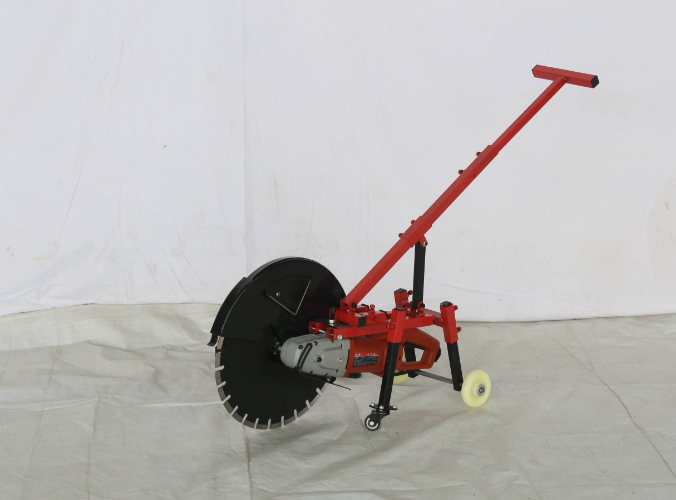
A walk behind concrete cutter is a professional construction machine designed for cutting concrete, asphalt, and other hard materials. The operator controls the machine by walking behind it and guiding the cutting blade along the required cutting path.
The main working component of a walk behind concrete cutter is a diamond cutting blade, which rotates at high speed to create accurate and clean cuts. Compared with traditional manual cutting methods, a walk behind concrete cutter provides deeper cutting ability, smoother operation, and better productivity.
A typical walk behind concrete cutter consists of several important components:
| Komponente | Funktion |
|---|---|
| Engine or Motor | Provides power for blade rotation |
| Diamant-Sägeblatt | Cuts concrete, asphalt, and other materials |
| Klingenschutz | Protects operators from debris and improves safety |
| Water Tank System | Reduces dust and cools the cutting blade |
| Depth Adjustment System | Controls cutting depth according to requirements |
| Handle Control System | Allows operators to guide and control the machine |
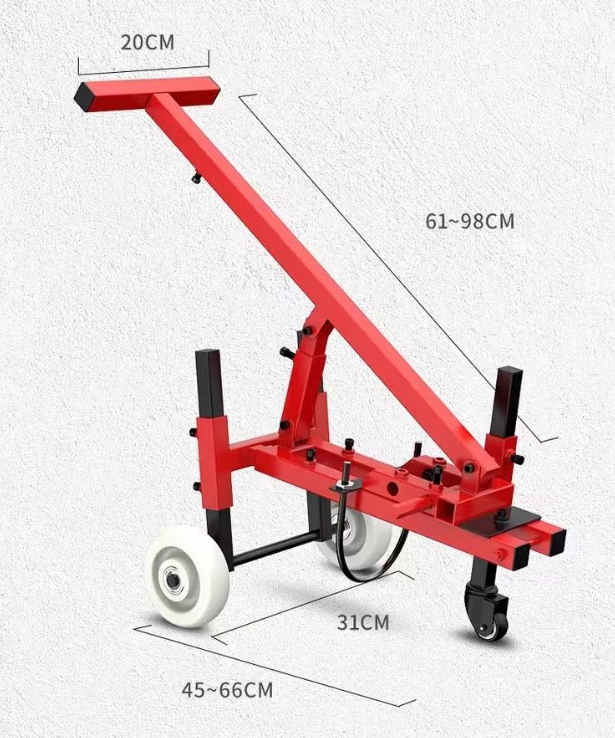
The design of a walk behind concrete cutter focuses on stability and precision. The wheels support the machine weight, allowing the cutting blade to maintain consistent contact with the surface. This makes it ideal for long cutting lines and large-scale construction projects.
How Does a Walk Behind Concrete Cutter Work?
The operation principle of a walk behind concrete cutter is simple but highly effective. The engine or electric motor transfers power to the diamond blade, causing the blade to rotate at high speed. When the rotating blade contacts the concrete surface, the diamond segments gradually remove material and create a controlled cutting line.
The cutting process usually includes the following steps:
| Operation Step | Beschreibung |
|---|---|
| Surface Preparation | Remove debris and mark the cutting line |
| Blade Installation | Select and install a suitable diamond blade |
| Depth Adjustment | Set the required cutting depth |
| Machine Starting | Start the engine or motor system |
| Cutting Operation | Guide the walk behind concrete cutter along the marked path |
| Cooling Process | Use water cooling to reduce blade temperature and dust |
A high-quality walk behind concrete cutter provides smooth movement during operation. The adjustable handle design allows operators to maintain comfortable control, while the strong frame structure reduces vibration and improves cutting accuracy.
Different models of walk behind concrete cutters may use different power systems:
| Type | Features | Geeignete Anwendungsbereiche |
|---|---|---|
| Gasoline Walk Behind Concrete Cutter | Strong power and high mobility | Road construction and outdoor projects |
| Electric Walk Behind Concrete Cutter | Low noise and clean operation | Indoor concrete cutting |
| Diesel Walk Behind Concrete Cutter | High torque and durability | Heavy-duty industrial applications |
Selecting the appropriate power type depends on the working environment, cutting requirements, and project scale.
Uses of Walk Behind Concrete Cutter
A walk behind concrete cutter is widely used in construction, road maintenance, and concrete repair projects because of its excellent cutting performance and precise operation. Compared with traditional cutting tools, a walk behind concrete cutter provides deeper cuts, better control, and higher productivity, making it suitable for both small and large-scale projects.
The main purpose of a walk behind concrete cutter is to create accurate cuts in hard surfaces such as concrete slabs, asphalt pavement, industrial floors, and road surfaces. These machines are commonly used where clean and straight cutting lines are required.
Road Construction and Repair
One of the most common applications of a walk behind concrete cutter is road construction and maintenance. During road projects, contractors often need to cut asphalt or concrete pavement for repairs, expansion joints, utility installation, and surface replacement.
A walk behind concrete cutter helps workers create precise cutting lines without damaging surrounding areas. This makes it an ideal solution for:
- Straßeninstandhaltung
- Municipal road repair
- Parking lot renovation
- Bridge deck cutting
- Concrete pavement replacement
For road construction companies, using a professional walk behind concrete cutter improves efficiency and ensures consistent cutting quality.
Concrete Floor Cutting
Concrete floors in factories, warehouses, garages, and commercial buildings often require cutting for renovation or installation projects. A walk behind concrete cutter provides accurate floor cutting with adjustable cutting depth, making it suitable for various indoor and outdoor applications.
Common floor cutting tasks include:
- Creating control joints
- Removing damaged concrete sections
- Installing drainage systems
- Preparing floors for renovation
- Cutting openings for equipment installation
Compared with handheld cutting machines, a walk behind concrete cutter reduces operator fatigue during long working periods and provides more stable cutting performance.
Expansion Joint Cutting
Concrete expands and contracts due to temperature changes. Without proper expansion joints, concrete surfaces may develop cracks and structural damage.
A walk behind concrete cutter allows contractors to create straight and uniform expansion joints at the correct depth. The machine helps control joint width and cutting position, ensuring better concrete durability.
Utility Installation Projects
Many construction projects require cutting concrete surfaces before installing underground systems, including:
- Electrical cables
- Water pipes
- Drainage systems
- Communication lines
A walk behind concrete cutter provides a fast and accurate method for opening concrete surfaces while minimizing unnecessary damage.
Asphalt Cutting Applications
Although mainly known as a concrete cutting machine, a walk behind concrete cutter can also be used for asphalt cutting when equipped with a suitable blade.
Typical asphalt applications include:
- Road repair
- Parking area modification
- Trench cutting
- Pavement removal
The powerful cutting ability of a walk behind concrete cutter makes it a versatile machine for different construction environments.
Main Applications of Walk Behind Concrete Cutter
The following table summarizes common applications and recommended working conditions:
| Anwendung | Cutting Material | Main Benefits |
|---|---|---|
| Road Repair | Concrete and Asphalt | Fast cutting and accurate repair lines |
| Bodenrenovierung | Betonplatten | Smooth cuts and depth control |
| Expansion Joint Cutting | Concrete Pavement | Prevents uncontrolled cracking |
| Installation von Versorgungsleitungen | Concrete and Asphalt | Creates precise openings |
| Industrial Construction | Heavy Concrete Floors | Improves working efficiency |
Key Features of Walk Behind Concrete Cutter
A high-quality walk behind concrete cutter combines powerful performance, convenient operation, and durable construction. Understanding the main features helps buyers select the right machine for their projects.
Powerful Engine or Motor Performance
The power system is one of the most important parts of a walk behind concrete cutter. A stronger engine or motor allows the machine to maintain stable blade speed when cutting hard materials.
Common power options include:
- Gasoline engines for outdoor construction
- Electric motors for indoor applications
- Diesel engines for heavy-duty cutting operations
A reliable power system ensures that the walk behind concrete cutter can handle demanding jobs while maintaining consistent cutting performance.
Diamond Blade Compatibility
The cutting blade directly affects cutting quality and efficiency. Most walk behind concrete cutters use diamond blades because diamond segments provide excellent hardness and wear resistance.
Different blade types are designed for different materials:
| Klingentyp | Geeignetes Material | Characteristics |
|---|---|---|
| Concrete Diamond Blade | Stahlbeton | Strong cutting ability and durability |
| Asphaltklinge | Asphaltbeläge | Designed for softer materials |
| General Purpose Blade | Mixed Materials | Flexible application range |
Choosing the correct blade allows the walk behind concrete cutter to achieve cleaner cuts and extend blade service life.
Adjustable Cutting Depth
A major advantage of a walk behind concrete cutter is its adjustable cutting depth system. Operators can change the blade position according to project requirements.
Zu den Vorteilen gehören:
- More accurate cutting results
- Reduced unnecessary blade wear
- Better control for different materials
- Improved construction efficiency
For professional contractors, adjustable cutting depth is an essential feature because different projects require different cutting specifications.
Stable Frame and Wheel Design
The structure of a walk behind concrete cutter directly affects operation stability. A strong frame reduces vibration and helps maintain a straight cutting path.
High-quality models usually include:
- Heavy-duty steel frames
- Durable wheels
- Ergonomic handles
- Balanced machine design
These features allow operators to guide the machine smoothly, especially during long cutting operations.
Dust Reduction and Cooling System
Concrete cutting generates heat and dust during operation. Many modern walk behind concrete cutters are equipped with water cooling systems to improve cutting performance.
The cooling system helps to:
- Reduce blade overheating
- Extend blade life
- Minimize dust production
- Improve working conditions
For indoor or sensitive environments, dust control is especially important.
Benefits of Using a Walk Behind Concrete Cutter
A walk behind concrete cutter has become an essential machine for many construction professionals because it offers better cutting performance, higher efficiency, and improved control compared with traditional cutting methods. Whether used for road repair, concrete floor cutting, or industrial construction, a reliable walk behind concrete cutter can provide significant advantages.
Below are the main benefits of using a walk behind concrete cutter.
Higher Cutting Accuracy
One of the biggest advantages of a walk behind concrete cutter is its excellent cutting accuracy. The machine design allows operators to maintain a straight cutting line while controlling the cutting direction and depth.
Compared with handheld cutting tools, a walk behind concrete cutter provides:
- More stable blade movement
- Straighter cutting lines
- Gleichmäßige Schnitttiefe
- Reduced surface damage
This accuracy is especially important for projects requiring precise concrete cutting, such as expansion joints, road repairs, and industrial floor installation.
Improved Working Efficiency
Construction projects often require large amounts of concrete cutting within limited timeframes. A walk behind concrete cutter improves productivity by allowing faster cutting speeds and longer continuous operation.
The machine reduces the amount of physical effort required from operators, making it suitable for:
- Große Betonplatten
- Long road cutting projects
- Commercial construction sites
- Pavement repair operations
By improving cutting efficiency, a walk behind concrete cutter helps contractors complete projects faster while maintaining high-quality results.
Reduced Operator Fatigue
Manual concrete cutting can be physically demanding, especially when workers need to operate equipment for several hours. A walk behind concrete cutter is designed with ergonomic handles and wheel support, allowing operators to guide the machine more comfortably.
Zu den Vorteilen gehören:
- Less physical force required
- Better operating posture
- Reduced vibration impact
- Easier long-term operation
This makes the walk behind concrete cutter a practical choice for professional construction teams.
Better Cutting Depth Control
Different construction projects require different cutting depths. A professional walk behind concrete cutter allows operators to adjust the blade depth according to material thickness and project requirements.
Precise depth control helps:
- Avoid excessive cutting
- Improve blade performance
- Reduce material waste
- Achieve consistent results
This feature makes the walk behind concrete cutter suitable for various applications, from shallow joint cutting to deeper concrete removal.
Strong Versatility
A major benefit of a walk behind concrete cutter is its ability to handle multiple applications. With different blades and configurations, one machine can be used for various materials and environments.
A typical walk behind concrete cutter can be used for:
| Working Environment | Common Tasks |
|---|---|
| Roads | Cutting pavement and repair sections |
| Factories | Cutting concrete floors |
| Lagerhallen | Floor modification and installation |
| Parking Areas | Asphalt and concrete repair |
| Baustellen | Utility cutting and structural preparation |
This versatility makes the walk behind concrete cutter a valuable investment for contractors and equipment rental companies.
Walk Behind Concrete Cutter vs Handheld Concrete Cutter
When choosing concrete cutting equipment, many users compare a walk behind concrete cutter with a handheld concrete cutter. Although both machines can cut concrete, they are designed for different working conditions.
The following comparison shows their main differences:
| Funktion | Walk Behind Concrete Cutter | Handbetätigte Betonsäge |
|---|---|---|
| Operation Method | Operator walks behind and guides the machine | Operator manually holds and controls the tool |
| Cutting Stability | Higher stability due to wheel support | Requires more operator control |
| Schnitttiefe | Usually deeper and more consistent | Limited by operator strength |
| Working Efficiency | Suitable for large projects | Suitable for small cutting tasks |
| Operator Fatigue | Lower fatigue during long operation | Higher physical effort required |
| Die besten Anwendungen | Roads, floors, pavement, large slabs | Small repairs, narrow areas, quick cuts |
For contractors working on large-scale projects, a walk behind concrete cutter is usually the better choice because it provides higher productivity and more consistent results. A handheld concrete cutter may be more suitable for small repair jobs where portability is the priority.
How to Choose the Right Walk Behind Concrete Cutter
Selecting the right walk behind concrete cutter requires considering several factors, including project requirements, cutting materials, power source, and operating conditions. A suitable machine can improve efficiency and reduce maintenance costs.
Consider the Cutting Application
Before purchasing a walk behind concrete cutter, determine what materials and surfaces you will cut.
Different applications may require different machine specifications:
| Anwendung | Recommended Consideration |
|---|---|
| Road Construction | High-power engine and durable structure |
| Concrete Floor Cutting | Precise depth adjustment |
| Indoor Cutting | Electric power system with lower emissions |
| Heavy Concrete Cutting | Larger blade capacity and stronger motor |
Understanding your main application helps ensure the selected walk behind concrete cutter meets your project requirements.
Select the Proper Power Type
The power source affects the performance and working environment of a walk behind concrete cutter.
Gasoline Walk Behind Concrete Cutter
Vorteile:
- Strong power output
- Easy outdoor operation
- No dependence on electrical supply
Geeignet für:
- Roads
- Highways
- Outdoor construction sites
Electric Walk Behind Concrete Cutter
Vorteile:
- Lower noise
- Cleaner operation
- Suitable for indoor environments
Geeignet für:
- Lagerhallen
- Factories
- Indoor renovation projects
Diesel Walk Behind Concrete Cutter
Vorteile:
- High torque
- Long working endurance
- Suitable for demanding applications
Geeignet für:
- Heavy construction projects
- Industrial cutting operations
Check Blade Size and Cutting Capacity
Blade size directly affects the maximum cutting depth of a walk behind concrete cutter. Larger blades generally allow deeper cuts and are suitable for thicker concrete structures.
Important blade factors include:
- Blade diameter
- Schnitttiefe
- Kompatibilität der Klingen
- Material type
Choosing the correct blade capacity ensures better performance and longer equipment life.
Evaluate Machine Durability
Construction equipment often operates in harsh environments. A durable walk behind concrete cutter should have:
- Strong machine frame
- Reliable engine components
- Wear-resistant parts
- Easy maintenance design
A well-built machine can provide stable performance and reduce downtime during construction projects.
Maintenance Tips for Walk Behind Concrete Cutter
Proper maintenance is essential to keep a walk behind concrete cutter operating efficiently and extending its service life. Since a walk behind concrete cutter works under high loads and harsh construction conditions, regular inspection and maintenance can prevent unexpected failures and improve cutting performance.
A well-maintained walk behind concrete cutter provides:
- More stable cutting performance
- Longer component lifespan
- Reduced downtime
- Erhöhte Sicherheit für das Bedienpersonal
- Lower maintenance requirements
The following maintenance practices are recommended for daily and long-term operation.
Inspect the Diamond Blade Regularly
The diamond blade is one of the most important components of a walk behind concrete cutter. A damaged or worn blade can reduce cutting efficiency and affect cutting quality.
Operators should regularly check:
- Blade wear condition
- Diamond segment condition
- Blade cracks or deformation
- Proper blade installation
If the blade becomes excessively worn, it should be replaced immediately to maintain safe and efficient operation.
Clean the Machine After Use
Concrete dust and debris can accumulate on the machine after operation. Regular cleaning helps prevent damage to important components.
After using a walk behind concrete cutter, operators should:
- Betonrückstände entfernen
- Clean the blade area
- Check cooling water passages
- Keep moving parts free from dust
Keeping the machine clean improves reliability and reduces the risk of mechanical problems.
Check Engine or Motor Performance
The power system determines the cutting ability of a walk behind concrete cutter. Regular inspection of the engine or motor ensures stable operation.
Maintenance tasks include:
| Prüfpunkt | Maintenance Action |
|---|---|
| Motoröl | Check level and replace when necessary |
| Luftfilter | Clean or replace regularly |
| Fuel system | Inspect for contamination or leakage |
| Electrical components | Check cables and connections |
| Cooling system | Ensure proper heat dissipation |
Regular power system maintenance allows the walk behind concrete cutter to maintain consistent cutting performance.
Maintain the Water Cooling System
Many walk behind concrete cutters use water cooling to reduce blade temperature and control dust during operation.
The cooling system should be checked for:
- Proper water flow
- Blocked pipes
- Damaged connections
- Clean water supply
A working cooling system helps prevent overheating and extends diamond blade life.
Store the Machine Properly
Proper storage is important when a walk behind concrete cutter is not used for an extended period.
Recommended storage practices:
- Clean the machine before storage
- Keep it in a dry environment
- Protect it from moisture
- Cover the equipment when necessary
- Perform inspections before reuse
Good storage habits help maintain machine performance and reduce repair costs.
Safety Tips When Operating a Walk Behind Concrete Cutter
Although a walk behind concrete cutter is designed for safe and efficient operation, proper handling is necessary to avoid accidents and equipment damage.
Operators should follow these safety guidelines:
Wear Proper Protective Equipment
Before operating a walk behind concrete cutter, workers should wear:
- Safety glasses
- Hearing protection
- Protective gloves
- Safety boots
- Dust protection equipment
Concrete cutting can generate noise, vibration, and airborne particles, so personal protection is essential.
Inspect the Machine Before Operation
Before starting a walk behind concrete cutter, check:
- Blade installation
- Fuel or power supply
- Handle condition
- Wheel movement
- Safety guards
- Water supply system
A complete inspection helps identify potential problems before operation.
Follow Correct Cutting Procedures
During operation:
- Keep both hands on the control handle
- Maintain a stable walking speed
- Avoid forcing the blade into the material
- Keep bystanders away from the cutting area
- Stop operation if unusual vibration occurs
Correct operation improves cutting quality and protects both the operator and the machine.
Häufig gestellte Fragen
What is a walk behind concrete cutter used for?
A walk behind concrete cutter is mainly used for cutting concrete slabs, asphalt surfaces, roads, floors, and other hard materials. It is commonly used in construction, repair, renovation, and utility installation projects.
Compared with handheld tools, a walk behind concrete cutter provides better stability, deeper cutting ability, and higher efficiency.
How deep can a walk behind concrete cutter cut?
The cutting depth of a walk behind concrete cutter depends on several factors, including:
- Blade diameter
- Machine design
- Motor or engine power
- Material hardness
Different models provide different cutting capacities, so users should select equipment based on their specific project requirements.
What materials can a walk behind concrete cutter cut?
A professional walk behind concrete cutter can cut various hard materials, including:
- Beton
- Stahlbeton
- Asphalt
- Cement pavement
- Industrial floor surfaces
Using the correct diamond blade is important for achieving the best cutting performance.
Is a walk behind concrete cutter better than a handheld cutter?
For large-scale projects, a walk behind concrete cutter is usually more effective because it offers better stability, deeper cutting ability, and higher productivity.
A handheld cutter is more suitable for small repairs or areas where portability is more important.
How often should a walk behind concrete cutter be maintained?
Maintenance frequency depends on usage conditions. Machines used daily on construction sites require more frequent inspection than machines used occasionally.
Basic maintenance should include:
- Blade inspection before use
- Cleaning after operation
- Engine or motor checks
- Cooling system inspection
- Regular component replacement
How do I choose the best walk behind concrete cutter?
To choose the right walk behind concrete cutter, consider:
- Cutting material
- Required cutting depth
- Power source
- Blade size
- Working environment
- Machine durability
A suitable model should match your project needs and provide reliable long-term performance.
Fazit
A walk behind concrete cutter is an efficient and reliable solution for professional concrete cutting applications. With excellent stability, precise cutting control, and strong performance, this machine plays an important role in road construction, floor renovation, pavement repair, and industrial projects.
Compared with traditional cutting tools, a walk behind concrete cutter offers higher productivity, reduced operator fatigue, and better cutting accuracy. Its adjustable cutting depth, powerful engine options, and compatibility with different diamond blades make it suitable for a wide range of construction environments.
When selecting a walk behind concrete cutter, buyers should carefully evaluate factors such as cutting requirements, power type, blade capacity, durability, and maintenance needs. Choosing the right machine not only improves construction efficiency but also helps achieve better project results.
For contractors, construction companies, and equipment distributors, investing in a high-quality walk behind concrete cutter can provide long-term value and reliable performance. With proper operation and regular maintenance, a walk behind concrete cutter can become an essential tool for professional concrete cutting projects.