
Einleitung
A concrete cutter is an essential machine for construction, road repair, concrete renovation, and industrial projects. Whether it is used for cutting concrete floors, asphalt roads, expansion joints, or reinforced concrete structures, a concrete cutter must maintain stable performance to achieve accurate cutting results. However, without proper care, even a high-quality concrete cutter can experience reduced efficiency, increased downtime, and unexpected repair problems.
This is why concrete cutter maintenance plays a critical role in extending machine service life and improving working efficiency. Regular concrete cutter maintenance helps operators prevent mechanical failures, protect important components, improve cutting accuracy, and ensure safer operation on job sites.
For professional contractors and construction companies, a concrete cutter is not only a working tool but also an important investment. Proper concrete cutter maintenance can reduce unnecessary wear on the engine, blade system, cooling components, and transmission parts. By following a systematic maintenance routine, operators can keep their machines working reliably for many years.
This guide introduces 10 practical concrete cutter maintenance tips that every operator should know. These methods are suitable for different types of concrete cutters, including petrol concrete cutters, electric concrete cutters, floor saws, and road cutting machines.
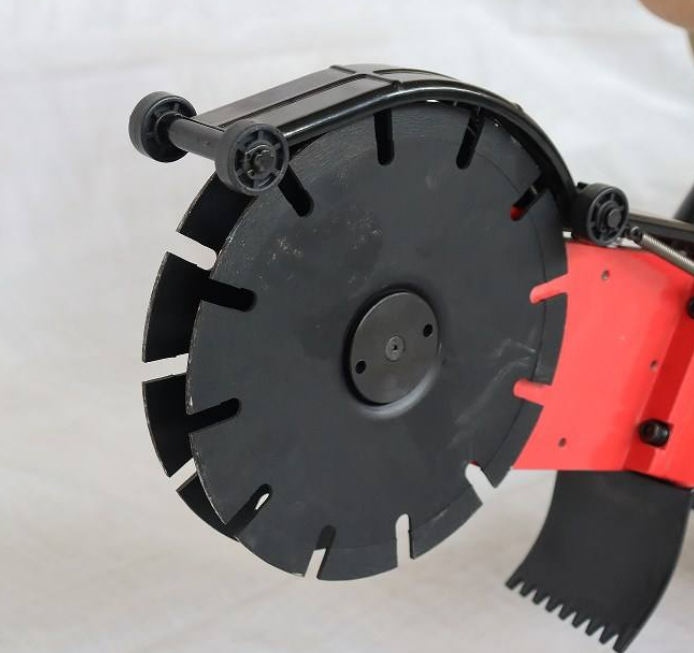
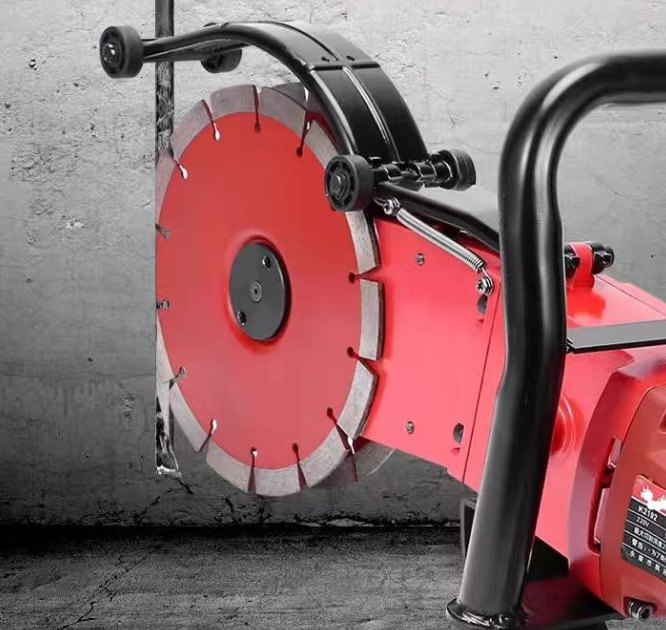
Why Concrete Cutter Maintenance Matters
A concrete cutter usually works in harsh environments. During operation, the machine is exposed to concrete dust, vibration, high temperatures, and heavy workloads. These conditions can accelerate component wear if regular maintenance is ignored.
Effective concrete cutter maintenance ensures that every part of the machine continues working correctly. From checking engine oil to inspecting cutting blades, each maintenance step contributes to better performance.
The main reasons why concrete cutter maintenance is important include:
| Maintenance Purpose | Vorteile |
|---|---|
| Protect engine components | Reduces wear and improves reliability |
| Maintain blade performance | Ensures smoother and cleaner cutting |
| Reduce machine downtime | Prevents unexpected breakdowns |
| Improve operator safety | Reduces risks caused by damaged parts |
| Extend equipment lifespan | Helps achieve long-term performance |
A poorly maintained concrete cutter may cause problems such as unstable engine operation, overheating, uneven cutting, excessive vibration, and higher fuel consumption. These issues not only affect productivity but may also increase operating costs.
Therefore, establishing a professional concrete cutter maintenance plan is necessary for contractors, rental companies, and construction teams.
10 Essential Concrete Cutter Maintenance Tips
Inspect the Concrete Cutter Before Every Use
Daily inspection is the first step in effective concrete cutter maintenance. Before starting any cutting work, operators should check the overall condition of the machine.
A quick inspection can identify potential problems before they become serious failures.
Important inspection points include:
- Check whether bolts and fasteners are tight
- Inspect the cutting blade condition
- Check fuel or power supply
- Confirm safety guards are installed correctly
- Look for oil leaks or damaged parts
- Check wheels and handles for stability
A simple daily inspection usually takes only a few minutes but can significantly improve machine reliability.
For professional users, creating a pre-operation checklist is recommended.
| Prüfpunkt | Checking Method | Empfohlene Häufigkeit |
|---|---|---|
| Zustand der Klinge | Check cracks and wear | Before each use |
| Motoröl | Ölstand prüfen | Täglich |
| Riemen | Check tension and damage | Wöchentlich |
| Befestigungselemente | Check tightness | Täglich |
| Kühlsystem | Staub und Schmutz entfernen | Regelmäßig |
Maintain the Cutting Blade Properly
The cutting blade is one of the most important parts of a concrete cutter. Proper blade care is a key part of concrete cutter maintenance because blade performance directly affects cutting quality.
A damaged or worn blade may cause:
- Slow cutting speed
- Übermäßige Vibrationen
- Uneven cutting lines
- Increased load on the motor or engine
Betreiber sollten regelmäßig Folgendes überprüfen:
Blade Wear
Diamond blades gradually lose cutting ability after long-term use. When the diamond segments become worn, the blade should be replaced to maintain efficiency.
Blade Installation
Incorrect blade installation can create safety risks. Always make sure:
- The blade direction is correct
- The blade is firmly fixed
- The blade matches the machine specifications
Cooling Performance
Many concrete cutters use water cooling systems to reduce blade temperature and control dust. Make sure the water supply works properly during operation.
Proper blade inspection is an essential part of complete concrete cutter maintenance.
Check and Replace Engine Oil Regularly
For petrol concrete cutters, engine oil maintenance is one of the most important steps.
During operation, engine oil reduces friction between internal components. Over time, oil becomes contaminated and loses lubrication performance.
Regular oil checks help prevent:
- Überhitzung des Motors
- Internal component damage
- Reduced engine efficiency
- Shortened machine lifespan
A basic oil maintenance schedule:
| Wartungsaufgabe | Zweck |
|---|---|
| Ölstand prüfen | Ensure sufficient lubrication |
| Replace old oil | Remove contaminants |
| Use suitable oil type | Maintain engine performance |
| Check for oil leaks | Prevent mechanical damage |
Operators should always follow the engine manufacturer’s recommendations for oil type and replacement intervals.
Clean and Replace the Air Filter Regularly
For petrol-powered concrete cutters, the air filter is an important component that protects the engine from dust and debris. During concrete cutting operations, a large amount of fine concrete dust is produced. Without proper protection, these particles can enter the engine and affect combustion efficiency.
Regular concrete cutter maintenance should always include air filter inspection and cleaning. A blocked or dirty air filter can reduce airflow, decrease engine power, increase fuel consumption, and cause unstable operation.
The frequency of air filter maintenance depends on the working environment. Machines used for road cutting, demolition projects, and dusty construction sites usually require more frequent cleaning.
| Air Filter Condition | Possible Problems | Maintenance Action |
|---|---|---|
| Slightly dusty | Reduced airflow | Clean with compressed air |
| Heavily contaminated | Low engine power | Replace the filter |
| Damaged filter | Dust enters engine | Sofort austauschen |
| Wet filter | Poor air circulation | Dry or replace |
When performing concrete cutter maintenance, operators should avoid operating the machine with a damaged air filter. A small filter problem can eventually lead to expensive engine repairs.
Recommended air filter maintenance steps:
Turn off the machine and allow the engine to cool.
Remove the air filter cover carefully.
Check the filter condition.
Clean reusable filters according to manufacturer instructions.Replace filters that cannot be restored.
Keeping the air intake system clean helps maintain stable engine performance and improves the overall efficiency of the concrete cutter.
Maintain the Cooling System to Prevent Overheating
Concrete cutting creates heavy loads on the machine, especially when cutting thick concrete slabs or reinforced concrete. During long working hours, heat buildup can affect engine performance and shorten component life.
A complete concrete cutter maintenance routine should include cooling system checks.
For machines equipped with water cooling systems, operators should make sure the water supply is sufficient. Water cooling helps reduce blade temperature, minimize dust, and improve cutting efficiency.
Common cooling-related maintenance tasks include:
- Checking water pipes for blockage
- Cleaning water nozzles
- Removing concrete dust around cooling areas
- Checking radiator or ventilation openings
- Ensuring proper airflow around the engine
| Cooling Component | Maintenance Method | Vorteil |
|---|---|---|
| Wassertank | Check water level | Maintains blade cooling |
| Water hose | Inspect leakage | Prevents interruption |
| Spray nozzle | Remove blockage | Improves water distribution |
| Engine ventilation | Remove dust | Verhindert eine Überhitzung |
Ignoring cooling system maintenance may result in:
- Overheated engine parts
- Reduced cutting performance
- Schnellerer Verschleiß der Klingen
- Unexpected machine shutdown
Therefore, cooling inspection is an essential part of professional concrete cutter maintenance, especially for contractors who operate machines continuously.
Inspect the Belt and Drive System
The belt and drive system transfers power from the engine or motor to the cutting blade. Because this system operates under vibration and heavy loads, regular inspection is necessary.
During concrete cutter maintenance, operators should check:
- Riemenspannung
- Belt cracks
- Belt wear
- Pulley alignment
- Loose drive components
A loose belt may reduce cutting efficiency because power cannot be transferred effectively. On the other hand, an overly tight belt can increase stress on bearings and other components.
| Drive System Problem | Mögliche Ursache | Lösung |
|---|---|---|
| Blade speed decreases | Loose belt | Adjust belt tension |
| Übermäßige Vibrationen | Damaged belt | Replace belt |
| Ungewöhnliche Geräusche | Misaligned pulley | Check alignment |
| Frequent belt damage | Incorrect tension | Adjust correctly |
Regular belt inspection improves cutting stability and prevents sudden breakdowns during operation.
For businesses using multiple concrete cutters, maintaining spare belts and frequently used parts can help reduce downtime.
Lubricate Moving Parts Properly
Lubrication is another important part of concrete cutter maintenance. Moving components such as wheels, bearings, shafts, and adjustment mechanisms require proper lubrication to reduce friction.
Without sufficient lubrication, metal components may wear faster and create excessive resistance during operation.
Important lubrication points include:
- Radlager
- Blade shaft components
- Einstellmechanismen
- Moving joints
- Handle connection points
A good lubrication routine can provide several advantages:
- Smoother machine operation
- Geringerer mechanischer Verschleiß
- Lower vibration
- Longer component life
| Lubrication Area | Maintenance Purpose | Häufigkeit |
|---|---|---|
| Lager | Reduce friction | Regular inspection |
| Shaft components | Maintain rotation stability | According to usage |
| Adjustment parts | Ensure smooth movement | Regelmäßig |
| Hinges and joints | Prevent stiffness | Regelmäßig |
Operators should use suitable lubricants recommended for construction machinery. Using incorrect lubricants may affect component performance.
Keep the Concrete Cutter Clean After Operation
Cleaning is one of the easiest but most frequently ignored parts of concrete cutter maintenance.
After every project, concrete dust, slurry, and debris should be removed from the machine. These materials can accumulate around important components and cause corrosion or mechanical problems.
A proper cleaning routine includes:
- Removing concrete residue from the blade area
- Cleaning the machine frame
- Washing dust from wheels and handles
- Checking for hidden damage
- Drying the machine before storage
| Cleaning Area | Warum das wichtig ist |
|---|---|
| Klingenschutz | Prevents dust accumulation |
| Engine area | Improves ventilation |
| Räder | Maintains smooth movement |
| Frame | Prevents corrosion |
| Water system | Prevents blockage |
Regular cleaning not only improves appearance but also helps operators identify possible problems early.
For construction companies, combining cleaning procedures with daily concrete cutter maintenance can greatly improve equipment reliability.
Concrete Cutter Maintenance Schedule Checklist
A structured maintenance schedule makes it easier for operators to manage equipment condition.
| Wartungsaufgabe | Täglich | Wöchentlich | Monatlich |
|---|---|---|---|
| Check blade condition | ✓ | ||
| Clean machine surface | ✓ | ||
| Check engine oil | ✓ | ||
| Luftfilter reinigen | ✓ | ||
| Inspect belt system | ✓ | ||
| Bewegliche Teile schmieren | ✓ | ||
| Replace engine oil | ✓ | ||
| Complete machine inspection | ✓ |
Following this checklist ensures that important concrete cutter maintenance tasks are completed on time.
Check Electrical Components and Safety Systems
For electric concrete cutters and modern construction machines, electrical system inspection is an important part of concrete cutter maintenance. Although electric models usually require less mechanical maintenance than petrol machines, electrical components still need regular checks to ensure safe and stable operation.
During daily operation, cables, switches, connectors, and control systems may be affected by dust, vibration, moisture, and repeated use. Damaged electrical parts can reduce machine performance and create potential safety risks.
Important electrical maintenance steps include:
- Inspecting power cables for cracks or damage
- Checking switches and control buttons
- Ensuring connectors are clean and secure
- Protecting electrical components from water exposure
- Checking battery condition for cordless models
For battery-powered concrete cutters, battery care is also an important part of concrete cutter maintenance. Operators should avoid overcharging, store batteries in suitable conditions, and regularly check battery performance.
| Electrical Component | Inspection Method | Maintenance Purpose |
|---|---|---|
| Power cable | Check damage and wear | Prevent electrical problems |
| Switch | Testbetrieb | Ensure safe control |
| Connector | Remove dust and moisture | Maintain stable connection |
| Battery | Check charging condition | Extend battery service life |
| Motor housing | Check ventilation | Prevent overheating |
Safety systems should also be inspected regularly. A properly functioning blade guard, emergency stop function, and protective cover help protect operators during cutting operations.
A complete concrete cutter maintenance program should always include both machine performance checks and safety inspections.
Store the Concrete Cutter Correctly
Proper storage is the final step in effective concrete cutter maintenance. Many equipment problems occur because machines are stored incorrectly after use.
If a concrete cutter is left outdoors or exposed to moisture, important components may suffer from rust, corrosion, and damage. Proper storage helps preserve machine condition and reduces preparation time before the next project.
Before storing a concrete cutter, operators should:
Clean all concrete dust and debris.
Remove remaining water from the cooling system.
Check fuel condition for petrol models.
Inspect the blade and remove damaged parts.
Store the machine in a dry and ventilated area.
Cover the machine to protect it from dust.
| Storage Step | Zweck |
|---|---|
| Clean before storage | Prevent concrete buildup |
| Keep in dry area | Avoid rust and corrosion |
| Protect electrical parts | Prevent moisture damage |
| Check fuel system | Maintain engine condition |
| Abdeckausrüstung | Reduce dust accumulation |
Long-term storage requires additional attention. For example, petrol concrete cutters may need fuel system maintenance, while battery models require proper battery storage procedures.
Correct storage is an essential part of concrete cutter maintenance because it protects the machine even when it is not being used.
Common Concrete Cutter Maintenance Mistakes to Avoid
Even experienced operators may overlook some important maintenance details. Understanding common mistakes can help improve equipment reliability.
Ignoring Regular Inspections
Some users only check the machine when a problem appears. This approach can allow small issues to develop into major failures.
Regular inspections help identify:
- Lose Teile
- Blade problems
- Oil leaks
- Abnormal vibration
- Electrical issues
Preventive concrete cutter maintenance is usually more effective than repairing damaged equipment after failure.
Using a Damaged Blade
A worn or damaged blade can affect cutting performance and increase stress on the machine.
Common signs of blade problems include:
- Slow cutting speed
- Uneven cutting lines
- Übermäßige Vibrationen
- Unusual noise
Replacing blades at the right time is an important part of concrete cutter maintenance and helps protect the motor and drive system.
Neglecting Dust Removal
Concrete dust is one of the biggest challenges for construction machinery. If dust accumulates around the engine, cooling system, or moving parts, it can reduce performance.
Regular cleaning should be included in every concrete cutter maintenance routine.
Using Incorrect Replacement Parts
Using unsuitable parts may reduce machine performance and shorten service life.
Operators should choose replacement parts that match:
- Maschinenmodell
- Engine specifications
- Blade size requirements
- Electrical system standards
High-quality spare parts help maintain the original performance of the concrete cutter.
Skipping Operator Training
Proper operation directly affects maintenance requirements. Incorrect operation can increase wear and damage components faster.
Betreiber sollten Folgendes verstehen:
- Correct cutting methods
- Proper blade installation
- Machine limitations
- Safety procedures
Training combined with regular concrete cutter maintenance creates better working results.
Benefits of Regular Concrete Cutter Maintenance
A professional concrete cutter maintenance program provides many long-term advantages for contractors and construction companies.
Longer Machine Service Life
Regular inspections, lubrication, and cleaning reduce unnecessary wear on components. A well-maintained concrete cutter can continue performing efficiently for a longer period.
Improved Cutting Performance
A properly maintained machine provides:
- More stable blade speed
- Cleaner cutting lines
- Geringere Vibrationen
- Better working efficiency
Lower Downtime
Unexpected equipment failures can interrupt construction schedules. Preventive concrete cutter maintenance helps operators identify problems before they stop production.
Better Operator Safety
Damaged blades, loose parts, and electrical problems can create safety risks. Maintenance inspections help ensure safer operation.
Reduced Component Wear
Regular maintenance protects important parts such as:
| Komponente | Unterhaltsleistung |
|---|---|
| Motor | Improves reliability |
| Klingensystem | Maintains cutting efficiency |
| Belt system | Reduces power loss |
| Lager | Extends service life |
| Electrical system | Improves safety |
Concrete Cutter Maintenance Tips for Different Machine Types
Different types of concrete cutters may require different maintenance approaches.
| Typ des Betonschneiders | Main Maintenance Focus |
|---|---|
| Petrol Concrete Cutter | Engine oil, fuel system, air filter |
| Elektrische Betonsäge | Cable, motor, electrical components |
| Battery Concrete Cutter | Battery condition, charging system |
| Road Cutting Machine | Blade system, cooling system, drive parts |
| Floor Saw | Wheels, blade alignment, dust removal |
Regardless of machine type, regular concrete cutter maintenance remains essential for maintaining reliable performance.
How to Create an Effective Concrete Cutter Maintenance Plan
A professional concrete cutter maintenance plan should not only focus on repairing problems but also preventing them before they happen. A well-organized maintenance schedule allows operators to monitor machine condition, reduce unexpected downtime, and improve overall productivity.
For construction companies, rental businesses, and professional contractors, maintenance should become a regular part of daily operations rather than an occasional task.
A complete concrete cutter maintenance plan usually includes three levels:
Tägliche Wartung
Daily maintenance focuses on quick inspections before and after operation.
Main tasks include:
- Checking blade condition
- Inspecting machine appearance
- Betonstaub entfernen
- Checking oil levels
- Confirming safety components work properly
Daily checks help operators discover small issues before they affect the cutting process.
Periodic Maintenance
Periodic concrete cutter maintenance includes deeper inspections that are performed weekly or monthly depending on usage frequency.
Typical tasks include:
- Cleaning or replacing air filters
- Inspecting belts and drive components
- Checking lubrication points
- Überprüfung der elektrischen Anschlüsse
- Testing machine performance
This type of maintenance helps maintain consistent machine performance during long-term projects.
Professional Maintenance
For machines used in heavy construction applications, professional inspection may be required.
Professional technicians can check:
- Engine condition
- Internal mechanical components
- Transmission system
- Electrical system
- Precision adjustments
Combining operator maintenance with professional inspection creates a more complete concrete cutter maintenance strategy.
Recommended Concrete Cutter Maintenance Schedule
A clear maintenance schedule helps operators manage tasks efficiently.
| Wartungszeitraum | Empfohlene Aufgaben |
|---|---|
| Before each operation | Check blade, oil, safety parts, and machine condition |
| After each operation | Clean dust, remove debris, inspect damage |
| Every week | Check belts, filters, fasteners, and lubrication points |
| Every month | Inspect major components and replace worn parts |
| Before long-term storage | Clean, protect, and prepare the machine |
Following this schedule can significantly improve machine reliability and reduce unnecessary repairs.
Professional Recommendations for Better Concrete Cutter Maintenance
To achieve the best results from a concrete cutter, operators should combine correct operation methods with regular maintenance.
Choose Suitable Blades for Different Materials
Different cutting materials require different blade specifications. Using the wrong blade can increase machine load and accelerate wear.
Zum Beispiel:
- Concrete cutting requires diamond blades designed for concrete materials.
- Asphalt cutting requires blades suitable for softer abrasive materials.
- Reinforced concrete requires blades with strong cutting performance.
Selecting the correct blade is an important part of effective concrete cutter maintenance because it reduces stress on the machine.
Vermeiden Sie eine Überlastung der Maschine
A common cause of equipment damage is forcing the machine to work beyond its capacity.
Operators should avoid:
- Excessive cutting pressure
- Cutting too quickly
- Using unsuitable blades
- Ignoring cooling requirements
Allowing the machine to work at a suitable speed helps protect the engine, motor, and blade system.
Keep Maintenance Records
Professional users should maintain equipment records to track machine condition.
A maintenance record may include:
| Record Information | Zweck |
|---|---|
| Maintenance date | Track service history |
| Replaced parts | Monitor component usage |
| Operating hours | Plan future maintenance |
| Problems found | Prevent repeated failures |
Maintenance records make it easier to schedule inspections and manage multiple machines.
Why Manufacturers Recommend Regular Concrete Cutter Maintenance
Machine manufacturers always recommend proper concrete cutter maintenance because maintenance directly affects equipment performance, safety, and service life.
A concrete cutter contains many precision components that work together, including:
- Motor oder Antriebssystem
- Klingenwelle
- Drive belt
- Kühlsystem
- Steuerungssystem
- Safety components
Without regular maintenance, these components may experience faster wear.
For equipment suppliers and manufacturers, providing maintenance guidance is also an important part of customer support. Proper maintenance helps customers achieve better cutting results and improves the long-term reliability of the equipment.
Fazit
A concrete cutter is an important machine for construction, road repair, and concrete processing projects. However, maintaining excellent performance requires more than simply purchasing a high-quality machine. Regular concrete cutter maintenance is the key to extending equipment life, improving cutting efficiency, and reducing unexpected downtime.
The 10 essential concrete cutter maintenance tips discussed in this guide include:
- Inspecting the machine before operation
- Maintaining the cutting blade
- Checking engine oil regularly
- Reinigung von Luftfiltern
- Maintaining the cooling system
- Inspecting belts and drive components
- Schmierung beweglicher Teile
- Cleaning the machine after use
- Checking electrical and safety systems
- Storing equipment correctly
By following a professional concrete cutter maintenance routine, operators can keep their machines working smoothly and safely for longer periods.
Whether using a petrol concrete cutter, electric concrete cutter, battery-powered model, or road cutting machine, proper maintenance is essential for achieving reliable performance on every project.
Wenn Sie Betonschneider, Betonschleifmaschinen, Betonglätter oder sonstige Dienstleistungen benötigen, können Sie sich gerne an uns wenden!
E-Mail: teresa@huashuo-machine.com
WhatsApp: +86 15554448948
Facebook: https://www.facebook.com/profile.php?id=61560318418325
TikTok: https://www.tiktok.com/@huateresa
Häufig gestellte Fragen
How often should I perform concrete cutter maintenance?
The frequency of concrete cutter maintenance depends on how often the machine is used and the working environment. Daily inspections should be completed before operation, while deeper maintenance checks can be performed weekly or monthly.
Machines used in dusty construction environments usually require more frequent maintenance.
What are the most important parts to check during concrete cutter maintenance?
The most important components include:
- Cutting blade
- Triebwerk oder Motor
- Motoröl
- Luftfilter
- Belt system
- Kühlsystem
- Elektrische Komponenten
Regular inspection of these parts helps maintain stable machine performance.
How can I extend the service life of a concrete cutter?
The best way to extend service life is to follow a consistent concrete cutter maintenance routine.
Zu den empfohlenen Vorgehensweisen gehören:
- Cleaning the machine after use
- Replacing worn parts on time
- Using suitable blades
- Checking lubrication points
- Avoiding machine overload
Why does my concrete cutter lose cutting performance?
Reduced cutting performance may be caused by:
- A worn blade
- Incorrect blade selection
- Loose belt tension
- Engine problems
- Insufficient cooling
Proper concrete cutter maintenance can help identify and solve these issues.
Should I clean my concrete cutter after every use?
Yes. Cleaning after every use is an important part of concrete cutter maintenance. Concrete dust and slurry can build up around mechanical parts and reduce machine efficiency.
Regular cleaning helps prevent corrosion and keeps the equipment ready for the next project.
How do I maintain a petrol concrete cutter?
Petrol concrete cutter maintenance mainly focuses on:
- Motoröl prüfen
- Cleaning the air filter
- Inspecting the fuel system
- Checking belts
- Cleaning cooling areas
Following these steps helps maintain reliable engine performance.
Is blade replacement part of concrete cutter maintenance?
Yes. Blade inspection and replacement are important parts of concrete cutter maintenance.
A damaged or worn blade can reduce cutting efficiency, increase vibration, and put extra stress on the machine.
Can regular concrete cutter maintenance reduce operating costs?
Yes. Regular concrete cutter maintenance helps reduce unexpected breakdowns, extend component life, and improve working efficiency, which can reduce long-term operating problems.