
Introduction
Choosing the right floor preparation equipment is one of the most important decisions for contractors, builders, and flooring professionals. Whether you are working on concrete floors, epoxy flooring preparation, surface renovation, or large commercial flooring projects, selecting the best grinder for flooring projects can significantly improve working efficiency, surface quality, and overall project results.
A professional floor grinder is designed to remove coatings, smooth uneven concrete surfaces, eliminate imperfections, and prepare floors for further finishing processes. However, with different types of grinders available on the market, many users find it challenging to choose the right machine for their specific applications.
The best grinder for flooring projects is not always the biggest or most powerful machine. The ideal choice depends on multiple factors, including project size, floor condition, grinding requirements, power supply, dust control needs, and working environment.
For small renovation jobs, a handheld concrete grinder may provide excellent flexibility. For medium and large commercial projects, walk-behind floor grinders with powerful motors and wider grinding widths can greatly increase productivity.
This guide explains how to choose the best grinder for flooring projects, including different grinder types, key features, applications, maintenance tips, and common questions from flooring professionals.
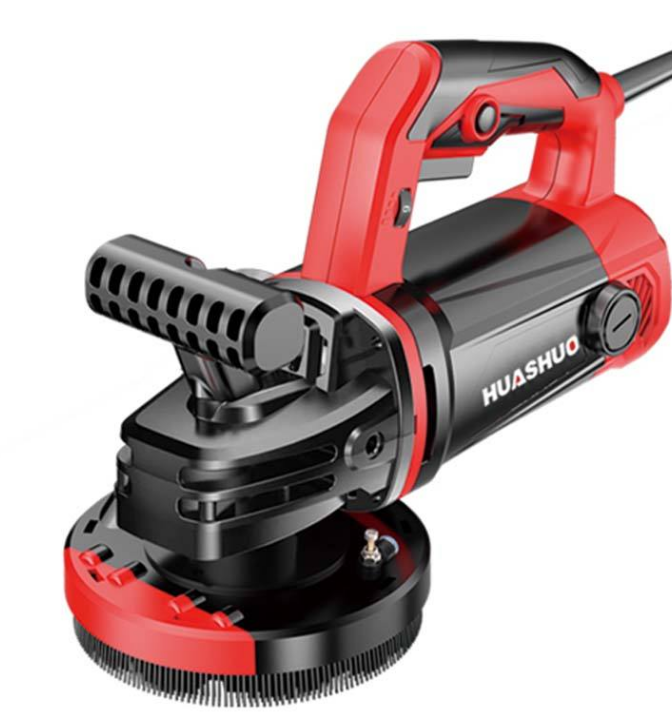
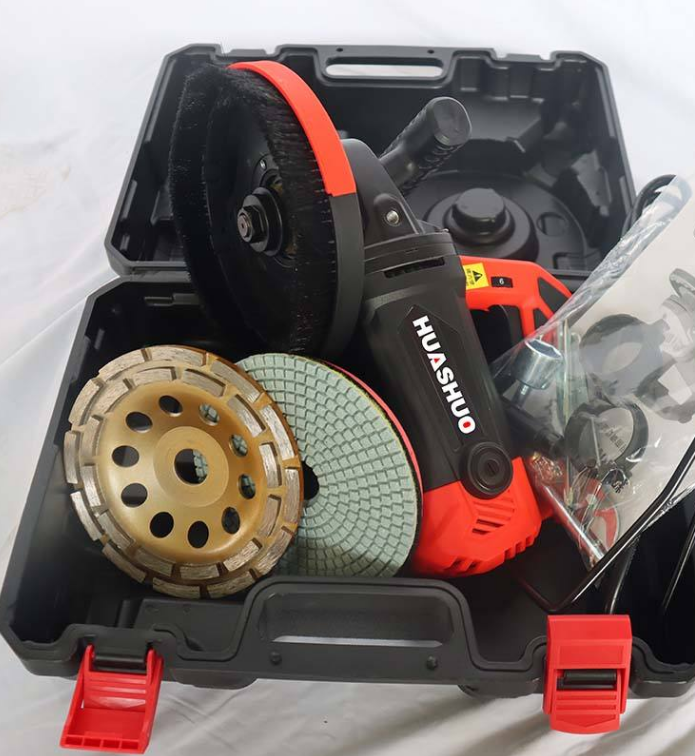
What Is the Best Grinder for Flooring Projects?
The best grinder for flooring projects is a machine that can efficiently prepare and restore different types of flooring surfaces while delivering consistent grinding performance.
Floor grinders use rotating diamond grinding discs or abrasive tools to remove unwanted materials from the surface. They are commonly used for:
- Concrete surface preparation
- Removing old coatings
- Eliminating paint, glue, and epoxy residue
- Leveling uneven floors
- Polishing concrete surfaces
- Preparing floors before installation of new materials
A high-quality grinder helps contractors achieve a smoother surface with less manual labor compared with traditional methods.
The right machine should provide:
| Feature | Importance for Flooring Projects |
|---|---|
| Powerful motor | Provides stable grinding performance on hard surfaces |
| Suitable grinding width | Improves efficiency for different project sizes |
| Dust collection system | Reduces dust during indoor grinding |
| Adjustable speed | Allows better control for different materials |
| Durable grinding components | Extends working life and reduces downtime |
| Easy operation | Improves productivity and reduces operator fatigue |
When searching for the best grinder for flooring projects, professionals should focus on performance, reliability, and suitability rather than only looking at specifications.
Different Types of Grinders for Flooring Projects
Different flooring applications require different grinding machines. Understanding each type helps contractors select the most suitable equipment.
Handheld Concrete Grinders
Handheld grinders are compact and flexible machines suitable for smaller areas and detailed grinding work.
They are commonly used for:
- Edge grinding
- Corner grinding
- Small repair areas
- Removing coatings around walls
- Surface preparation in tight spaces
Advantages:
- Lightweight and easy to transport
- Excellent maneuverability
- Suitable for small construction projects
- Easy access to difficult areas
However, handheld grinders usually have a smaller grinding area, making them less efficient for large floor projects.
For contractors handling small residential renovation jobs, a handheld model can be considered one of the best grinder for flooring projects options because of its flexibility.
Walk-Behind Floor Grinders
Walk-behind floor grinders are among the most popular choices for professional flooring contractors.
These machines are designed for:
- Large concrete floors
- Warehouses
- Industrial buildings
- Parking garages
- Commercial spaces
Compared with handheld models, walk-behind grinders provide:
- Larger grinding coverage
- Higher working efficiency
- Better surface consistency
- Reduced operator effort
For medium and large construction projects, many professionals consider walk-behind models the best grinder for flooring projects because they balance power, productivity, and operating convenience.
Heavy-Duty Floor Grinders
Heavy-duty grinders are designed for demanding industrial applications where high performance is required.
Typical applications include:
- Factory floors
- Large warehouses
- Airport facilities
- Commercial buildings
- Concrete renovation projects
These machines usually feature:
- High-power motors
- Strong frames
- Large grinding capacity
- Professional dust extraction compatibility
For contractors handling continuous flooring work, heavy-duty models often provide better long-term performance.
How to Choose the Best Grinder for Flooring Projects
Selecting the best grinder for flooring projects requires understanding your project requirements.
Consider the Floor Material
Different flooring materials require different grinding solutions.
| Floor Material | Recommended Grinder Type | Main Application |
|---|---|---|
| Concrete | Walk-behind grinder | Surface preparation and leveling |
| Epoxy coating | Concrete grinder with diamond tools | Coating removal |
| Natural stone | Variable-speed grinder | Polishing and finishing |
| Old industrial floors | Heavy-duty grinder | Restoration work |
| Small repair areas | Handheld grinder | Detail grinding |
Concrete is one of the most common materials in construction, so many contractors select concrete floor grinders as their primary equipment.
Evaluate Project Size
Project size directly affects machine selection.
Small projects:
- Residential garages
- Small workshops
- Repair areas
Recommended:
- Handheld grinders
- Compact floor grinders
Medium projects:
- Commercial buildings
- Small warehouses
- Retail spaces
Recommended:
- Walk-behind grinders
Large projects:
- Industrial plants
- Parking structures
- Large warehouses
Recommended:
- Heavy-duty professional grinders
Choosing the correct machine size ensures higher efficiency and prevents unnecessary equipment limitations.
Check Motor Power
Motor power determines grinding ability, especially when working with hard concrete surfaces.
Higher power usually provides:
- Faster material removal
- More stable performance
- Ability to handle tougher surfaces
However, excessive power is not always necessary. The best choice depends on the actual flooring requirements.
A balanced machine should provide enough power while maintaining easy operation and transportation.
Grinding Width and Diamond Tool Selection
When choosing the best grinder for flooring projects, grinding width is an important factor that directly affects working efficiency. The grinding width determines how much surface area the machine can cover in one pass.
A wider grinding width is usually better for large open areas because it reduces the number of passes required. However, smaller grinding widths provide better flexibility when working in narrow spaces or areas with obstacles.
For professional contractors, selecting the correct grinding width can help balance productivity and operating convenience.
| Project Type | Recommended Grinding Width | Suitable Application |
|---|---|---|
| Small residential projects | Narrow grinding width | Garages, small rooms, repair areas |
| Medium flooring projects | Medium grinding width | Commercial buildings and workshops |
| Large industrial projects | Wide grinding width | Warehouses, factories, parking areas |
The best grinder for flooring projects should match the size and requirements of your typical jobs. A machine that is too small may increase working time, while an oversized grinder may be difficult to operate in limited spaces.
Choosing the Right Diamond Grinding Tools
Diamond tools are one of the most important components of a floor grinder. Even if you have a powerful machine, using the wrong grinding disc can reduce efficiency and affect the final surface quality.
Different diamond tools are designed for different applications.
| Diamond Tool Type | Main Purpose | Recommended Usage |
|---|---|---|
| Coarse diamond segments | Fast material removal | Removing thick coatings and uneven concrete |
| Medium diamond tools | General grinding | Concrete surface preparation |
| Fine diamond tools | Smooth finishing | Polishing and surface refinement |
| Resin diamond pads | Polishing | Decorative concrete finishing |
For example, removing old epoxy coatings requires aggressive diamond segments, while preparing a concrete floor for polishing requires finer tools.
Therefore, the best grinder for flooring projects should work with a wide range of diamond tooling options, allowing contractors to handle different flooring conditions.
Why Dust Control Matters in Flooring Grinding
Dust management is a critical consideration when selecting the best grinder for flooring projects.
Grinding concrete creates a large amount of fine dust particles. Without proper dust control, these particles can:
- Reduce visibility during operation
- Affect indoor air quality
- Increase cleaning time
- Damage nearby equipment
- Create safety concerns for workers
Modern floor grinders often include dust collection ports that can be connected to industrial vacuum systems.
Advantages of Using Dust Control Systems
Cleaner Working Environment
A dust extraction system helps keep the workplace cleaner, especially when grinding inside:
- Commercial buildings
- Warehouses
- Residential properties
- Industrial facilities
Improved Grinding Efficiency
Excessive dust can cover the grinding surface and reduce the contact efficiency between diamond tools and concrete.
Removing dust allows the grinder to maintain better performance.
Better Surface Results
Dust-free grinding provides a clearer view of the floor condition, allowing operators to achieve more consistent results.
For indoor flooring projects, a grinder with effective dust control is often considered the best grinder for flooring projects because it improves both safety and productivity.
Key Features of the Best Grinder for Flooring Projects
Professional contractors should evaluate several important features before purchasing a floor grinder.
Adjustable Grinding Speed
Different flooring materials require different grinding speeds.
Adjustable speed control allows operators to:
- Work efficiently on various surfaces
- Reduce the risk of damaging floors
- Achieve better finishing results
For example:
- Lower speeds are suitable for delicate polishing work.
- Higher speeds are useful for aggressive material removal.
A variable-speed grinder provides more flexibility for different projects.
Strong and Durable Construction
Floor grinding involves continuous contact with hard materials, so machine durability is essential.
The best grinder for flooring projects should have:
- Strong metal frame
- High-quality motor components
- Reliable transmission system
- Durable grinding plate
A robust structure reduces maintenance requirements and improves machine lifespan.
Easy Operation and Transportation
Although professional grinders need strong performance, they should also be practical to operate.
Important design features include:
- Adjustable handles
- Comfortable control system
- Compact transportation design
- Simple maintenance access
These features help operators work longer with less fatigue.
Compatibility with Vacuum Systems
A professional floor grinder should support connection with industrial vacuum equipment.
This provides:
- Cleaner operation
- Better visibility
- Reduced dust exposure
- Easier cleanup after grinding
For contractors working on indoor projects, vacuum compatibility is an important factor when selecting the best grinder for flooring projects.
Comparison of Different Flooring Grinder Options
Before choosing equipment, contractors should compare different grinder types based on their project needs.
| Grinder Type | Advantages | Best Applications |
|---|---|---|
| Handheld grinder | Flexible and easy to control | Edges, corners, small repairs |
| Walk-behind grinder | High efficiency and stable operation | Commercial and medium projects |
| Heavy-duty grinder | Powerful and durable | Industrial flooring projects |
| Planetary grinder | Excellent finishing quality | Polished concrete floors |
Each machine type has its own advantages. The best grinder for flooring projects depends on the working environment, floor condition, and expected workload.
Benefits of Using the Best Grinder for Flooring Projects
Investing in the right grinding equipment can provide many advantages for contractors.
Increased Working Efficiency
Manual floor preparation requires significant time and labor. A professional grinder can complete large areas faster and provide more consistent results.
This allows contractors to:
- Finish projects earlier
- Accept more construction jobs
- Reduce labor requirements
Better Surface Quality
A professional grinder creates a more uniform surface compared with manual preparation methods.
Benefits include:
- Improved floor adhesion
- Smoother concrete surfaces
- Better appearance
- Reduced surface defects
Lower Long-Term Costs
Although purchasing professional equipment requires an investment, the right machine can reduce operating costs over time.
Savings come from:
- Less labor dependence
- Faster project completion
- Reduced rework
- Longer machine service life
For companies handling frequent flooring projects, choosing the best grinder for flooring projects can improve overall profitability.
=Best Grinder for Flooring Projects for Different Applications
Different flooring projects have different requirements. The best grinder for flooring projects should be selected according to the surface condition, working environment, and final finishing requirements.
A machine suitable for a small residential renovation may not be the ideal choice for a large industrial floor. Understanding different applications helps contractors choose equipment that delivers better results.
Concrete Floor Preparation
Concrete floor preparation is one of the most common applications for professional floor grinders.
Before installing:
- Epoxy coatings
- Floor paint
- Tile
- Vinyl flooring
- Decorative concrete finishes
the concrete surface usually needs proper preparation.
The best grinder for flooring projects can help remove:
- Surface imperfections
- Old coatings
- Concrete laitance
- Adhesive residue
- Uneven areas
A properly prepared concrete surface improves bonding strength and helps prevent future flooring problems.
For concrete contractors, floor grinders are essential equipment because they provide a faster and more accurate alternative to manual surface preparation.
Epoxy Floor Preparation
Epoxy flooring requires a clean and roughened concrete surface to achieve strong adhesion.
Before applying epoxy, contractors need to remove:
- Oil contamination
- Old paint
- Previous coatings
- Weak concrete layers
A powerful grinder equipped with suitable diamond tools can create the ideal surface profile.
The best grinder for flooring projects used for epoxy preparation should provide:
- Stable grinding performance
- Effective dust extraction
- Compatible diamond tooling
- Adjustable operation speed
This ensures the epoxy coating bonds properly and extends the service life of the finished floor.
Polished Concrete Flooring
Polished concrete has become popular in:
- Shopping centers
- Hotels
- Offices
- Modern residential buildings
- Industrial facilities
The polishing process requires multiple grinding stages, from coarse grinding to fine polishing.
A suitable grinder should support different diamond tools and provide consistent pressure control.
The best grinder for flooring projects for polished concrete should offer:
- Smooth operation
- Excellent surface control
- Multiple grinding stages
- Reliable performance for long working hours
A high-quality grinder helps contractors create attractive and durable polished concrete floors.
Industrial Floor Renovation
Industrial floors often experience:
- Heavy traffic
- Mechanical wear
- Chemical exposure
- Long-term surface damage
Factories and warehouses may require regular floor renovation to maintain safe working conditions.
For these applications, heavy-duty grinders are usually preferred.
The best grinder for flooring projects in industrial environments should have:
| Requirement | Reason |
|---|---|
| Powerful motor | Handles hard and damaged concrete surfaces |
| Strong frame | Supports continuous operation |
| Large grinding capacity | Improves productivity on large areas |
| Dust extraction connection | Maintains a cleaner workplace |
Professional equipment allows industrial contractors to restore damaged floors efficiently.
Concrete Floor Grinding Process
Understanding the correct grinding process helps operators achieve better results and extend equipment life.
Inspect the Floor Surface
Before grinding begins, check the floor condition.
Operators should identify:
- Cracks
- Uneven sections
- Coating thickness
- Contamination areas
This helps determine the correct grinding method and diamond tool selection.
Select Suitable Grinding Tools
Different surface conditions require different diamond tools.
For example:
- Heavy coating removal → coarse diamond segments
- General concrete preparation → medium diamond tools
- Surface polishing → fine diamond pads
Using the correct tools allows the best grinder for flooring projects to perform efficiently.
Start with Coarse Grinding
The first grinding stage focuses on removing unwanted materials.
Common purposes include:
- Removing old coatings
- Leveling uneven surfaces
- Opening concrete pores
During this stage, operators should maintain steady movement to avoid creating deep marks.
Perform Fine Grinding
After coarse grinding, finer tools are used to improve surface smoothness.
Fine grinding helps:
- Remove remaining scratches
- Improve floor appearance
- Prepare surfaces for finishing
Clean and Inspect the Surface
After grinding, remove dust and inspect the floor.
A properly prepared surface should be:
- Clean
- Even
- Free from loose materials
- Ready for the next construction process
Maintenance Tips for the Best Grinder for Flooring Projects
Regular maintenance is important for keeping a floor grinder operating efficiently.
Even the best grinder for flooring projects requires proper care to maintain performance.
Clean the Machine After Every Use
Concrete dust can accumulate inside machine components.
After operation:
- Clean dust from the grinding area
- Check ventilation openings
- Remove material buildup
- Clean connection points
Regular cleaning reduces equipment problems.
Check Diamond Tools Regularly
Diamond grinding tools directly affect grinding performance.
Operators should inspect:
- Segment wear
- Tool damage
- Uneven wear patterns
Replacing worn tools at the right time helps maintain efficiency.
Inspect Electrical Components
For electric floor grinders, check:
- Power cables
- Switches
- Motor condition
- Electrical connections
Damaged electrical parts should be repaired before further operation.
Lubricate Moving Parts
Moving components require proper lubrication to reduce wear.
Regular lubrication helps:
- Improve machine operation
- Reduce friction
- Extend component lifespan
Store the Grinder Properly
When the machine is not in use:
- Store it in a dry area
- Protect it from moisture
- Keep accessories organized
- Cover the machine if necessary
Proper storage ensures the grinder is ready for the next project.
Common Mistakes When Choosing a Floor Grinder
Many contractors make mistakes when purchasing grinding equipment. Avoiding these mistakes helps ensure better investment decisions.
Choosing Only Based on Motor Power
A more powerful motor does not always mean it is the best choice.
Other factors are equally important:
- Grinding width
- Machine design
- Tool compatibility
- Dust control system
The best grinder for flooring projects should match the actual application.
Ignoring Dust Management
Some buyers focus only on grinding performance but ignore dust control.
Poor dust management can lead to:
- Difficult working conditions
- Longer cleaning time
- Reduced visibility
For indoor construction projects, dust extraction capability is essential.
Selecting the Wrong Machine Size
A machine that is too small may reduce efficiency on large projects.
A machine that is too large may create difficulties in:
- Transportation
- Storage
- Operation in limited spaces
Choosing the right size ensures better productivity.
Using Incorrect Diamond Tools
Even a high-quality grinder cannot perform well with unsuitable grinding tools.
Contractors should select diamond tools based on:
- Floor hardness
- Surface condition
- Required finish
Proper tool selection allows the grinder to achieve the expected results.
How to Select the Best Grinder for Flooring Projects
Selecting the right equipment is essential for contractors who want to improve flooring preparation efficiency and achieve professional results. The best grinder for flooring projects should not only meet current project requirements but also provide flexibility for future applications.
Before purchasing a floor grinder, consider the following factors.
Understand Your Typical Projects
The first step is identifying what type of flooring projects you usually handle.
Ask yourself:
- Are most projects residential or commercial?
- Do you mainly work on concrete floors?
- Do you remove coatings or perform polishing work?
- How large are your typical working areas?
For example:
- Small renovation contractors may prefer compact grinders for flexibility.
- Commercial flooring companies may need walk-behind grinders for higher productivity.
- Industrial contractors may require heavy-duty machines for continuous operation.
The best grinder for flooring projects should match your daily workload and working environment.
Consider Power Supply Requirements
Floor grinders are available with different power options, including electric and other power systems.
Electric models are widely used because they provide:
- Stable operation
- Lower maintenance requirements
- Suitable performance for indoor projects
When selecting a grinder, contractors should confirm:
- Available voltage at the job site
- Power capacity
- Cable requirements
- Working environment limitations
Choosing a machine compatible with your local power conditions helps avoid unnecessary operational problems.
Evaluate Portability and Operator Comfort
Floor grinding often requires long working hours. Machine design directly affects operator efficiency.
Important features include:
- Adjustable operating handles
- Comfortable control systems
- Easy transportation design
- Balanced machine structure
A well-designed grinder reduces operator fatigue and allows more consistent grinding results.
For contractors, the best grinder for flooring projects should combine strong performance with comfortable operation.
Check Spare Parts Availability and Technical Support
A reliable machine supplier should provide long-term support.
Important considerations include:
- Availability of replacement parts
- Technical guidance
- Maintenance support
- Operator instructions
A machine is a long-term investment, so after-sales service is an important factor when choosing the right equipment.
Why Professional Contractors Prefer Quality Floor Grinders
Professional flooring contractors understand that equipment quality directly affects project results.
Using a reliable grinder provides several advantages.
Faster Project Completion
A professional floor grinder can significantly reduce preparation time compared with manual methods.
Benefits include:
- Higher working speed
- Less labor requirement
- More consistent output
This allows contractors to complete more projects within shorter deadlines.
Improved Floor Quality
Floor preparation determines the performance of the final flooring system.
A quality grinder helps create:
- Even surfaces
- Proper surface profiles
- Better coating adhesion
- Professional finishing results
Whether preparing concrete for epoxy, polishing concrete, or removing old coatings, the right equipment improves overall quality.
Increased Business Opportunities
Contractors equipped with professional grinding machines can take on a wider range of projects.
Examples include:
- Commercial flooring renovation
- Warehouse floor preparation
- Industrial concrete restoration
- Decorative concrete polishing
Investing in the best grinder for flooring projects allows businesses to expand their service capabilities and improve competitiveness.
Future Trends in Flooring Grinding Equipment
The flooring industry continues to develop, and modern grinding equipment is becoming more efficient and user-friendly.
Several trends are shaping the future of floor grinders.
Improved Dust-Free Grinding
Environmental requirements and workplace safety standards are encouraging the development of better dust extraction systems.
Future floor grinders will continue improving:
- Dust collection efficiency
- Indoor air quality
- Operator protection
More Efficient Motor Technology
Modern grinders focus on:
- Higher energy efficiency
- Longer operating life
- Better performance stability
Efficient motors help contractors reduce downtime and improve productivity.
More Flexible Machine Designs
Manufacturers are developing machines that can handle multiple applications.
Future equipment may provide:
- Easier tool replacement
- Adjustable grinding performance
- Better transportation features
This flexibility makes one machine suitable for more flooring applications.
If you need concrete cutters,Concrete grinders,Concrete power trowels or any other services, please feel free to contact us!
Email: teresa@huashuo-machine.com
WhatsApp: +86 15554448948
Facebook: https://www.facebook.com/profile.php?id=61560318418325
Tik Tok: https://www.tiktok.com/@huateresa
Conclusion
Choosing the best grinder for flooring projects is an important decision for contractors, builders, and flooring professionals. The right machine can improve productivity, enhance surface quality, reduce labor costs, and help complete projects more efficiently.
When selecting a floor grinder, users should consider important factors such as:
- Project size
- Floor material
- Grinding width
- Motor power
- Dust control capability
- Diamond tool compatibility
- Machine durability
- After-sales support
For small repair jobs, handheld grinders provide excellent flexibility. For commercial and industrial applications, walk-behind and heavy-duty grinders deliver higher efficiency and stronger performance.
The best grinder for flooring projects is the one that matches your specific construction requirements and provides reliable performance for long-term use. By choosing suitable equipment and following proper maintenance practices, contractors can achieve better flooring results and improve their overall project efficiency.
FAQ
What is the best grinder for flooring projects?
The best grinder for flooring projects depends on the application, floor condition, and project size. Handheld grinders are suitable for small areas and edge work, while walk-behind and heavy-duty floor grinders are better choices for commercial and industrial projects.
Can a floor grinder remove epoxy coatings?
Yes. A professional floor grinder equipped with suitable diamond grinding tools can effectively remove epoxy coatings, paint, adhesives, and other surface materials.
For epoxy removal, contractors should choose aggressive diamond segments and ensure the grinder has enough power for efficient material removal.
Is a floor grinder suitable for concrete polishing?
Yes. Floor grinders are commonly used for concrete polishing.
The process usually involves multiple grinding stages using different diamond tools, starting with coarse grinding and gradually moving to finer polishing steps.
What size grinder should I choose for large flooring projects?
For large flooring projects such as warehouses, factories, and parking areas, contractors usually choose walk-behind or heavy-duty floor grinders with wider grinding coverage.
A larger grinding width helps improve productivity and reduce working time.
Why is dust extraction important when using a floor grinder?
Dust extraction is important because concrete grinding creates fine particles.
A proper dust collection system helps:
- Maintain a cleaner workplace
- Improve visibility
- Reduce cleaning time
- Provide safer working conditions
How often should a floor grinder be maintained?
Maintenance frequency depends on usage intensity.
For professional contractors using grinders frequently, regular inspection after each project is recommended. Important maintenance tasks include cleaning, checking diamond tools, inspecting electrical components, and lubricating moving parts.
Can one grinder be used for different flooring materials?
Yes, many professional floor grinders can handle different materials by changing diamond tools.
With the correct accessories, the same grinder can be used for:
- Concrete preparation
- Coating removal
- Surface smoothing
- Concrete polishing
What makes the best grinder for flooring projects different from ordinary grinders?
The best grinder for flooring projects usually provides:
- Higher durability
- Better grinding efficiency
- Professional dust control
- Stronger motor performance
- Compatibility with various diamond tools
These features make professional floor grinders more suitable for demanding construction applications.