
Introduction
A concrete floor cutter machine is an essential piece of equipment used in construction, road repair, industrial flooring projects, and concrete renovation work. Whether cutting expansion joints, removing damaged concrete sections, or preparing surfaces for new installations, a reliable concrete floor cutter machine can significantly improve cutting efficiency, accuracy, and job quality.
However, like any heavy-duty construction equipment, a concrete floor cutter machine requires regular maintenance to ensure stable performance and extend its service life. Poor maintenance can lead to reduced cutting efficiency, excessive vibration, blade damage, engine problems, and unexpected downtime during important projects.
A well-maintained concrete floor cutter machine not only delivers cleaner and faster cuts but also helps operators achieve safer working conditions. Regular inspections of the engine, cutting blade, water cooling system, transmission components, and frame structure can prevent many common failures.
This guide provides professional maintenance tips for a concrete floor cutter machine, helping contractors, rental companies, and construction workers understand how to properly care for their equipment and maximize productivity.
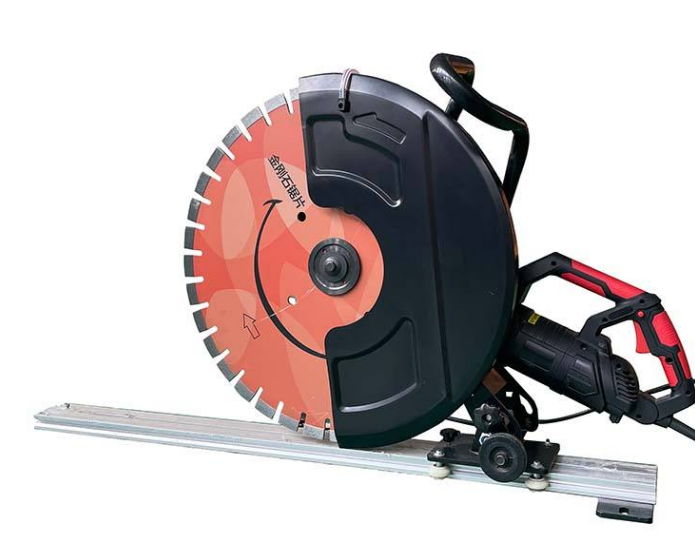
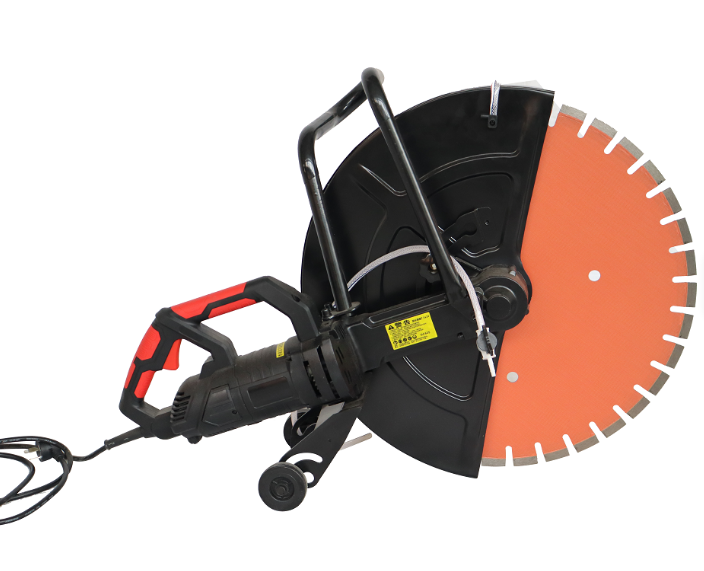
Understanding the Structure of a Concrete Floor Cutter Machine
Before discussing maintenance, it is important to understand the main components of a concrete floor cutter machine. Different models may have different designs, such as gasoline-powered concrete cutters, diesel concrete cutters, and electric concrete floor cutters, but most machines share similar core components.
A concrete floor cutter machine usually consists of the following parts:
| Component | Function | Maintenance Importance |
|---|---|---|
| Engine or Motor | Provides cutting power | Requires regular inspection and servicing |
| Cutting Blade | Performs concrete cutting | Needs proper selection and replacement |
| Blade Shaft | Transfers power to the blade | Must remain stable and aligned |
| Water Tank System | Reduces dust and cools blade | Requires cleaning and inspection |
| Frame Structure | Supports machine operation | Should be checked for damage |
| Wheels and Handle | Controls movement | Need regular adjustment |
| Depth Adjustment System | Controls cutting depth | Requires lubrication |
Understanding these components allows operators to create a proper maintenance schedule for their concrete floor cutter machine.
Why Regular Maintenance Is Important for a Concrete Floor Cutter Machine
A concrete floor cutter machine works under demanding conditions. During operation, the blade generates strong friction, dust, vibration, and heat. Without proper maintenance, these factors can gradually reduce machine performance.
Regular maintenance provides several important benefits:
Improve Cutting Performance
A properly maintained concrete floor cutter machine can maintain consistent cutting speed and depth. When the blade shaft, engine, and transmission system operate smoothly, the machine can cut concrete more efficiently.
For example, a worn blade or insufficient engine maintenance may cause slow cutting speed and uneven cutting lines. Regular inspections help operators identify these problems before they affect project quality.
Extend Equipment Lifespan
Construction machines often represent a long-term investment. A high-quality concrete floor cutter machine can provide years of reliable service when properly maintained.
Regular replacement of engine oil, cleaning of air filters, checking bolts, and lubricating moving parts can reduce component wear and prevent expensive repairs.
Reduce Unexpected Downtime
Construction schedules are often tight. A sudden failure of a concrete floor cutter machine can delay projects and increase labor costs.
Preventive maintenance allows operators to identify potential problems early and keep the machine ready for daily operation.
Improve Operator Safety
A poorly maintained concrete floor cutter machine may create safety risks, including:
- Loose blade components
- Excessive vibration
- Engine overheating
- Damaged electrical wiring
- Poor braking or movement control
Regular maintenance ensures the machine operates safely and reliably.
Daily Maintenance Checklist for a Concrete Floor Cutter Machine
Daily inspection is the simplest and most effective way to maintain a concrete floor cutter machine. Operators should check the machine before and after each working day.
The following checklist can help maintain good operating conditions:
| Inspection Item | What to Check | Recommended Action |
|---|---|---|
| Cutting Blade | Cracks, wear, deformation | Replace damaged blades immediately |
| Engine Oil | Oil level and quality | Add or replace oil when necessary |
| Air Filter | Dust accumulation | Clean regularly |
| Water Supply System | Leakage or blockage | Ensure proper cooling water flow |
| Bolts and Fasteners | Loose connections | Tighten before operation |
| Wheels | Wear and movement | Check smooth movement |
| Fuel System | Leakage or contamination | Clean and inspect |
A few minutes of daily inspection can greatly improve the reliability of a concrete floor cutter machine.
Concrete Floor Cutter Machine Blade Maintenance Tips
The cutting blade is one of the most important parts of a concrete floor cutter machine. The quality and condition of the blade directly affect cutting performance.
Choose the Correct Blade Type
Different concrete materials require different blades. Using an unsuitable blade may reduce cutting efficiency or damage the machine.
Common blade types include:
| Blade Type | Suitable Application | Features |
|---|---|---|
| Diamond Blade | Concrete, reinforced concrete, asphalt | High cutting efficiency and durability |
| Segmented Blade | Deep concrete cutting | Better cooling performance |
| Continuous Rim Blade | Smooth surface cutting | Produces cleaner edges |
| Turbo Blade | General construction cutting | Balanced speed and finish |
Selecting the correct blade helps the concrete floor cutter machine achieve better results.
Inspect Blade Wear Regularly
During operation, the blade experiences continuous friction. Operators should regularly check:
- Missing diamond segments
- Uneven blade wear
- Blade cracks
- Excessive vibration
- Reduced cutting speed
If the blade becomes damaged, continuing to operate the concrete floor cutter machine may create additional risks.
Maintain Proper Blade Installation
Incorrect blade installation is a common cause of poor cutting performance.
Before starting work, operators should confirm:
- Blade direction is correct
- Blade is securely fixed
- Blade shaft is clean
- Flanges are properly installed
A correctly installed blade allows the concrete floor cutter machine to operate smoothly and reduces unnecessary vibration.
Engine Maintenance Tips for a Concrete Floor Cutter Machine
The engine is the power source of many gasoline and diesel concrete floor cutter machines. A well-maintained engine ensures stable cutting performance and prevents unexpected breakdowns during construction projects.
Whether using a small walk-behind concrete cutter or a heavy-duty concrete floor cutter machine, engine maintenance should be considered one of the most important parts of daily equipment care.
Check Engine Oil Regularly
Engine oil reduces friction between internal engine components and helps prevent overheating. When the oil level is too low or the oil becomes dirty, the engine may experience increased wear and reduced power output.
For a concrete floor cutter machine, operators should:
- Check oil levels before starting the machine
- Replace oil according to the engine manufacturer’s recommendations
- Avoid using contaminated or unsuitable oil
- Inspect for oil leakage around the engine
Regular oil maintenance helps the engine provide consistent power for concrete cutting operations.
Clean and Replace the Air Filter
Concrete cutting produces a large amount of dust. During operation, dust particles can easily enter the engine through the air intake system.
A blocked air filter can cause:
- Reduced engine power
- Increased fuel consumption
- Engine overheating
- Difficult starting
The following maintenance schedule is recommended:
| Maintenance Item | Inspection Frequency | Maintenance Method |
|---|---|---|
| Air Filter Check | Before daily operation | Inspect dust accumulation |
| Air Filter Cleaning | After dusty working conditions | Remove dust with proper tools |
| Air Filter Replacement | When damaged or heavily blocked | Install a new filter |
Keeping the air filter clean allows the concrete floor cutter machine engine to receive sufficient airflow and maintain efficient combustion.
Maintain the Fuel System
Fuel quality directly affects the performance of a gasoline-powered concrete floor cutter machine.
Poor fuel management may cause:
- Engine starting problems
- Unstable operation
- Reduced cutting power
- Fuel system blockage
Operators should follow these practices:
- Use clean and suitable fuel
- Avoid storing fuel for long periods
- Keep the fuel tank clean
- Check fuel lines for leakage
- Drain old fuel when the machine will not be used for an extended period
A clean fuel system ensures reliable operation of the concrete floor cutter machine in different working environments.
Concrete Floor Cutter Machine Water Cooling System Maintenance
Many concrete floor cutter machines use a water cooling system to reduce blade temperature and control dust during cutting.
When cutting concrete, the diamond blade generates significant heat because of friction. Without sufficient cooling, the blade may wear faster or become damaged.
Check Water Supply Before Operation
Before using a concrete floor cutter machine, operators should check:
- Water tank condition
- Water hose connection
- Water flow rate
- Spray nozzle condition
Insufficient water supply can lead to:
- Blade overheating
- Excessive dust
- Reduced cutting efficiency
- Shorter blade service life
Clean the Water System Regularly
Dust and concrete particles can block the water system over time. Regular cleaning helps maintain stable cooling performance.
| Water System Component | Common Problem | Maintenance Solution |
|---|---|---|
| Water Tank | Dirt accumulation | Clean regularly |
| Water Hose | Blockage or leakage | Inspect and replace if necessary |
| Spray Nozzle | Uneven water flow | Remove debris |
| Connection Parts | Loose fitting | Tighten properly |
A clean cooling system allows the concrete floor cutter machine to work more efficiently, especially during long cutting operations.
Transmission System and Moving Parts Maintenance
The transmission system transfers engine power to the cutting blade. For a concrete floor cutter machine, smooth power transmission is essential for stable cutting performance.
Moving parts are exposed to vibration and dust, which may cause wear over time.
Important maintenance points include:
Lubricate Moving Components
Regular lubrication reduces friction between moving parts.
Important lubrication areas include:
- Blade shaft bearings
- Wheel bearings
- Adjustment mechanisms
- Handle connection points
Without proper lubrication, these parts may become stiff or damaged.
Check Belt Condition
Many concrete floor cutter machines use belt drive systems. The belt transfers power from the engine to the blade shaft.
Operators should inspect:
- Belt tension
- Belt cracks
- Belt wear
- Abnormal noise
| Belt Condition | Possible Issue | Recommended Action |
|---|---|---|
| Loose Belt | Reduced cutting power | Adjust tension |
| Cracked Belt | Risk of breakage | Replace immediately |
| Worn Belt | Power loss | Install a new belt |
| Normal Belt | Stable operation | Continue inspection |
A properly maintained belt system helps the concrete floor cutter machine maintain efficient cutting performance.
Frame and Structural Maintenance of a Concrete Floor Cutter Machine
The frame structure supports all major components of the machine. During construction operations, continuous vibration and movement can gradually loosen parts.
Regular structural inspections should include:
- Checking frame cracks
- Tightening bolts
- Inspecting handle connections
- Checking wheel mounting points
- Confirming depth adjustment stability
A damaged or loose frame can affect cutting accuracy and create safety concerns.
For professional contractors using a concrete floor cutter machine every day, structural inspection should become part of routine maintenance.
Electrical System Maintenance for Electric Concrete Floor Cutter Machine
Although many concrete floor cutter machines use gasoline engines, electric models are also widely used for indoor concrete cutting projects.
Electric concrete cutters require special attention to electrical safety.
Inspect Power Cables
Before operation, check:
- Cable damage
- Plug condition
- Connection stability
- Insulation condition
Damaged cables should never be used because they may cause electrical hazards.
Protect Electrical Components
For an electric concrete floor cutter machine, operators should:
- Keep electrical parts away from water
- Avoid operating in unsuitable environments
- Store the machine in a dry place
- Clean dust from ventilation openings
Proper electrical maintenance ensures stable performance and extends equipment life.
Common Problems and Solutions for Concrete Floor Cutter Machine
Even with regular maintenance, operators may occasionally experience performance issues. Understanding common problems helps reduce downtime.
| Problem | Possible Cause | Solution |
|---|---|---|
| Machine Cannot Start | Fuel problem, battery issue, ignition failure | Check fuel system and starting components |
| Slow Cutting Speed | Worn blade, insufficient engine power | Replace blade or inspect engine |
| Excessive Vibration | Damaged blade or loose parts | Check blade and tighten components |
| Blade Overheating | Poor water supply | Check cooling system |
| Uneven Cutting Line | Incorrect operation or worn components | Adjust machine and inspect blade |
| Reduced Engine Power | Dirty air filter or fuel issue | Clean filter and check fuel |
Regular troubleshooting knowledge helps operators maintain the performance of their concrete floor cutter machine.
Professional Maintenance Schedule for a Concrete Floor Cutter Machine
Creating a proper maintenance schedule is one of the best ways to keep a concrete floor cutter machine operating efficiently. Instead of waiting until problems appear, professional operators should perform preventive maintenance regularly.
A maintenance plan helps identify small issues before they become major failures. For contractors, rental companies, and construction teams that frequently use a concrete floor cutter machine, preventive maintenance can reduce repair time and improve job efficiency.
The following schedule can be used as a general maintenance reference:
| Maintenance Period | Maintenance Tasks |
|---|---|
| Before Each Use | Check blade condition, engine oil, fuel level, water supply, bolts, and safety components |
| Daily | Clean dust and concrete residue, inspect moving parts, check abnormal noise or vibration |
| Weekly | Inspect belts, lubricate moving parts, clean air filter, check wheel condition |
| Monthly | Check engine performance, inspect transmission system, tighten all fasteners |
| Long-Term Maintenance | Replace worn parts, perform complete inspection, service engine components |
Following a regular maintenance schedule ensures that the concrete floor cutter machine remains reliable even under demanding construction conditions.
Cleaning Tips for a Concrete Floor Cutter Machine
Cleaning is a simple but important part of maintaining a concrete floor cutter machine. Concrete dust, slurry, and debris can accumulate on different components and affect machine performance.
After each working day, operators should clean the machine carefully.
Remove Concrete Residue
Fresh concrete residue can harden on the machine surface and moving components. If not removed, it may:
- Block adjustment mechanisms
- Increase component wear
- Affect cutting accuracy
- Reduce machine appearance and service life
Important cleaning areas include:
- Blade guard
- Water system
- Wheels
- Frame structure
- Depth adjustment components
Avoid Improper Cleaning Methods
Although cleaning is necessary, improper methods may damage the equipment.
Avoid:
- Using excessive water directly on electrical components
- Leaving moisture on metal parts for a long time
- Using corrosive cleaning chemicals
- Ignoring small cracks or damage during cleaning
For an electric or gasoline-powered concrete floor cutter machine, proper cleaning helps maintain safe and stable operation.
Storage Tips to Protect a Concrete Floor Cutter Machine
Proper storage is essential, especially when a concrete floor cutter machine will not be used for several weeks or months.
Incorrect storage may lead to:
- Engine problems
- Rust formation
- Fuel system damage
- Electrical component failure
- Reduced machine performance
Prepare the Machine Before Storage
Before storing a concrete floor cutter machine, operators should:
Clean all concrete dust and residue.
Remove dirt from the blade area.
Check and lubricate moving parts.
Inspect damaged components.
Store the machine in a dry environment.
Long-Term Storage Checklist
| Storage Item | Recommended Action |
|---|---|
| Engine | Drain or maintain fuel system properly |
| Blade | Remove if necessary and store safely |
| Metal Parts | Apply protective lubrication |
| Battery Components | Check battery condition |
| Machine Surface | Keep clean and dry |
| Storage Area | Avoid humidity and extreme temperatures |
A properly stored concrete floor cutter machine will be easier to restart and maintain when needed for future projects.
How to Extend the Service Life of a Concrete Floor Cutter Machine
A high-quality concrete floor cutter machine can provide many years of reliable service when operated and maintained correctly.
The following practices can significantly extend equipment lifespan:
Use the Machine Correctly
Incorrect operation is one of the main causes of premature wear.
Operators should:
- Use the correct blade for the concrete material
- Avoid forcing the blade through hard materials
- Maintain proper cutting speed
- Follow recommended cutting depth limits
A concrete floor cutter machine should work at a stable speed instead of being overloaded.
Use Suitable Replacement Parts
Using low-quality replacement parts may reduce machine performance.
Important replacement components include:
- Cutting blades
- Belts
- Filters
- Bearings
- Engine parts
- Water system components
Choosing reliable parts ensures that the concrete floor cutter machine continues to operate efficiently.
Train Operators Properly
Operator experience directly affects machine lifespan.
A trained operator understands:
- How to start and stop the machine correctly
- How to adjust cutting depth
- How to control cutting speed
- How to identify abnormal conditions
Proper operation reduces unnecessary damage and improves the working efficiency of the concrete floor cutter machine.
Safety Maintenance Practices for Concrete Floor Cutter Machine Operation
Safety should always be a priority when operating a concrete floor cutter machine. Regular maintenance is not only about improving performance but also preventing accidents.
Before operation, operators should check:
- Blade installation
- Protective guards
- Handle stability
- Emergency stop functions
- Water cooling system
- Electrical connections
Wear Proper Protective Equipment
Operators should use:
| Protective Equipment | Purpose |
|---|---|
| Safety Glasses | Protect eyes from concrete particles |
| Dust Mask | Reduce dust inhalation |
| Ear Protection | Reduce noise exposure |
| Safety Gloves | Protect hands |
| Safety Shoes | Improve foot protection |
Never Operate a Damaged Machine
A concrete floor cutter machine with damaged components should not continue working.
Stop operation immediately if you notice:
- Unusual vibration
- Blade cracks
- Fuel leakage
- Electrical damage
- Abnormal engine sounds
Repairing problems early is safer and more economical than dealing with major equipment failure.
Choosing a Reliable Concrete Floor Cutter Machine for Long-Term Use
Maintenance is important, but choosing a high-quality concrete floor cutter machine from the beginning also plays a major role in long-term performance.
When selecting a machine, consider:
| Selection Factor | Why It Matters |
|---|---|
| Engine Power | Determines cutting ability and working efficiency |
| Cutting Depth | Must meet project requirements |
| Blade Compatibility | Allows use of different cutting blades |
| Machine Weight | Affects stability and transportation |
| Water Cooling System | Improves blade life and dust control |
| Build Quality | Influences durability and maintenance frequency |
A well-designed concrete floor cutter machine with strong components requires less maintenance and provides better performance for professional construction applications.
Common Maintenance Mistakes to Avoid for a Concrete Floor Cutter Machine
Although many operators understand the importance of maintenance, some incorrect maintenance methods can still reduce the performance and service life of a concrete floor cutter machine.
Avoiding these common mistakes helps contractors maintain better cutting results and reduce unnecessary repair costs.
Ignoring Daily Inspections
One of the most common mistakes is using a concrete floor cutter machine without checking its condition before operation.
Small problems such as loose bolts, low engine oil, damaged blades, or blocked water pipes can quickly develop into serious failures.
A simple daily inspection can help identify:
- Blade damage
- Abnormal vibration
- Engine problems
- Water supply issues
- Loose components
Using the Wrong Cutting Blade
The cutting blade is the working part of a concrete floor cutter machine, and choosing the wrong blade can negatively affect performance.
For example:
- A blade designed for soft concrete may wear quickly when cutting reinforced concrete.
- A damaged blade may create excessive vibration.
- An unsuitable blade may reduce cutting speed.
Operators should always select the correct diamond blade according to the material being cut.
Neglecting the Cooling System
Some users focus only on engine maintenance and overlook the water cooling system.
However, the cooling system is essential for a concrete floor cutter machine because it helps:
- Reduce blade temperature
- Control dust during cutting
- Improve cutting efficiency
- Extend blade life
A blocked water nozzle or insufficient water supply can cause overheating and premature blade damage.
Overloading the Machine
A concrete floor cutter machine should operate within its designed capacity.
Forcing the machine to cut too quickly or using excessive cutting depth may result in:
- Engine overload
- Belt damage
- Blade failure
- Reduced equipment lifespan
Professional operators should allow the machine to maintain a steady cutting speed.
Benefits of Proper Maintenance for a Concrete Floor Cutter Machine
Regular maintenance provides long-term benefits for construction companies, contractors, and equipment owners.
A properly maintained concrete floor cutter machine can deliver:
| Benefit | Description |
|---|---|
| Higher Cutting Efficiency | Maintains stable cutting speed and accuracy |
| Longer Service Life | Reduces wear on key components |
| Lower Maintenance Frequency | Prevents major equipment failures |
| Better Safety | Reduces risks caused by damaged parts |
| Improved Project Efficiency | Minimizes downtime during construction |
For businesses using multiple construction machines, proper maintenance management can significantly improve overall productivity.
Seasonal Maintenance Tips for Concrete Floor Cutter Machine
Different working environments can affect the performance of a concrete floor cutter machine. Seasonal maintenance helps the equipment adapt to temperature and climate changes.
Maintenance in Hot Weather
During summer or high-temperature conditions:
- Check engine cooling performance
- Ensure sufficient water supply
- Avoid continuous overload operation
- Inspect belts more frequently
- Allow the machine to cool after long working periods
High temperatures increase stress on engines and cutting blades.
Maintenance in Cold Weather
During winter conditions:
- Store the machine in a dry indoor area
- Protect fuel systems from moisture
- Check engine starting performance
- Prevent water system freezing
- Warm up the engine before heavy operation
Proper seasonal care keeps the concrete floor cutter machine reliable throughout the year.
Professional Tips for Better Concrete Cutting Results
Maintenance is closely connected with cutting quality. A well-maintained concrete floor cutter machine allows operators to achieve cleaner and more accurate cuts.
Professional operating tips include:
Check Cutting Depth Settings
Incorrect cutting depth can reduce efficiency.
Operators should adjust cutting depth according to:
- Concrete thickness
- Project requirements
- Blade specifications
- Machine capacity
Maintain Straight Cutting Movement
A stable cutting path improves final results.
Operators should:
- Keep consistent forward movement
- Avoid sudden direction changes
- Use machine guides when necessary
- Maintain proper blade alignment
A properly maintained concrete floor cutter machine will provide smoother operation and more accurate cutting lines.
If you need concrete cutters,Concrete grinders,Concrete power trowels or any other services, please feel free to contact us!
Email: teresa@huashuo-machine.com
WhatsApp: +86 15554448948
Facebook: https://www.facebook.com/profile.php?id=61560318418325
Tik Tok: https://www.tiktok.com/@huateresa
Conclusion
A concrete floor cutter machine is an important tool for concrete construction, road repair, industrial flooring, and renovation projects. To achieve the best performance, regular maintenance should always be part of daily operation.
From blade inspection and engine servicing to water system cleaning and structural checks, every maintenance step plays an important role in keeping the concrete floor cutter machine efficient and reliable.
Proper maintenance helps operators:
- Improve cutting performance
- Reduce unexpected downtime
- Extend machine lifespan
- Enhance workplace safety
- Achieve better project results
Whether you are using a gasoline, diesel, or electric model, a well-maintained concrete floor cutter machine will provide more stable performance and better value over time.
By following the maintenance tips in this guide, contractors and construction professionals can maximize the working efficiency of their concrete floor cutter machine and ensure successful concrete cutting operations.
FAQ
How often should I maintain a concrete floor cutter machine?
The maintenance frequency depends on working conditions and usage time. For daily construction use, operators should inspect the concrete floor cutter machine before every operation and perform deeper maintenance weekly or monthly.
Daily checks should include:
- Blade condition
- Engine oil level
- Water supply
- Loose bolts
- Abnormal noise or vibration
How can I improve the cutting performance of my concrete floor cutter machine?
To improve cutting performance:
- Use the correct diamond blade
- Keep the blade properly installed
- Maintain sufficient cooling water
- Avoid overloading the machine
- Keep engine components clean
A properly maintained concrete floor cutter machine will cut faster and produce more accurate results.
Why does my concrete floor cutter machine vibrate during operation?
Excessive vibration may be caused by:
- Damaged cutting blade
- Incorrect blade installation
- Loose bolts
- Worn bearings
- Uneven machine movement
Operators should stop the machine and inspect all components before continuing work.
How long can a concrete floor cutter machine last?
The service life of a concrete floor cutter machine depends on machine quality, operating conditions, and maintenance practices.
With proper maintenance, including regular cleaning, lubrication, inspections, and replacement of worn parts, many machines can provide reliable performance for many years.
What type of blade should be used with a concrete floor cutter machine?
Most concrete floor cutter machines use diamond blades because they provide excellent cutting ability for concrete materials.
The correct blade depends on:
- Concrete hardness
- Reinforcement level
- Cutting depth
- Required cutting finish
Selecting the right blade improves cutting efficiency and reduces machine stress.
Can a concrete floor cutter machine be used for asphalt cutting?
Yes, some concrete floor cutter machines can be used for asphalt cutting when equipped with a suitable asphalt cutting blade.
However, operators should always select the correct blade type and adjust operating methods according to the material.
What should I check before buying a concrete floor cutter machine?
Before purchasing a concrete floor cutter machine, consider:
- Engine or motor power
- Maximum cutting depth
- Blade size compatibility
- Water cooling system
- Machine durability
- Ease of maintenance
- Availability of spare parts
Choosing a reliable machine ensures better performance and lower maintenance requirements in the future.