
Introduction
Floor preparation plays a crucial role in modern construction, renovation, and industrial flooring projects. A smooth, durable, and well-prepared floor surface is essential for achieving high-quality results, whether installing epoxy coatings, polishing concrete floors, removing old coatings, or repairing damaged surfaces. Among all professional flooring tools, a professional grinder for flooring has become one of the most important machines for contractors and flooring specialists.
A professional grinder for flooring is designed to handle demanding surface preparation tasks with higher efficiency, stronger performance, and better durability compared with standard grinding tools. It can remove uneven surfaces, adhesives, paint layers, concrete imperfections, and old coatings while creating an ideal surface for further treatment.
For professional contractors, choosing the right professional grinder for flooring can significantly improve work efficiency and reduce labor costs. Different flooring applications require different grinding power, working widths, dust control systems, and grinding accessories. Understanding these factors helps users select the most suitable machine for their projects.
What Is a Professional Grinder for Flooring?
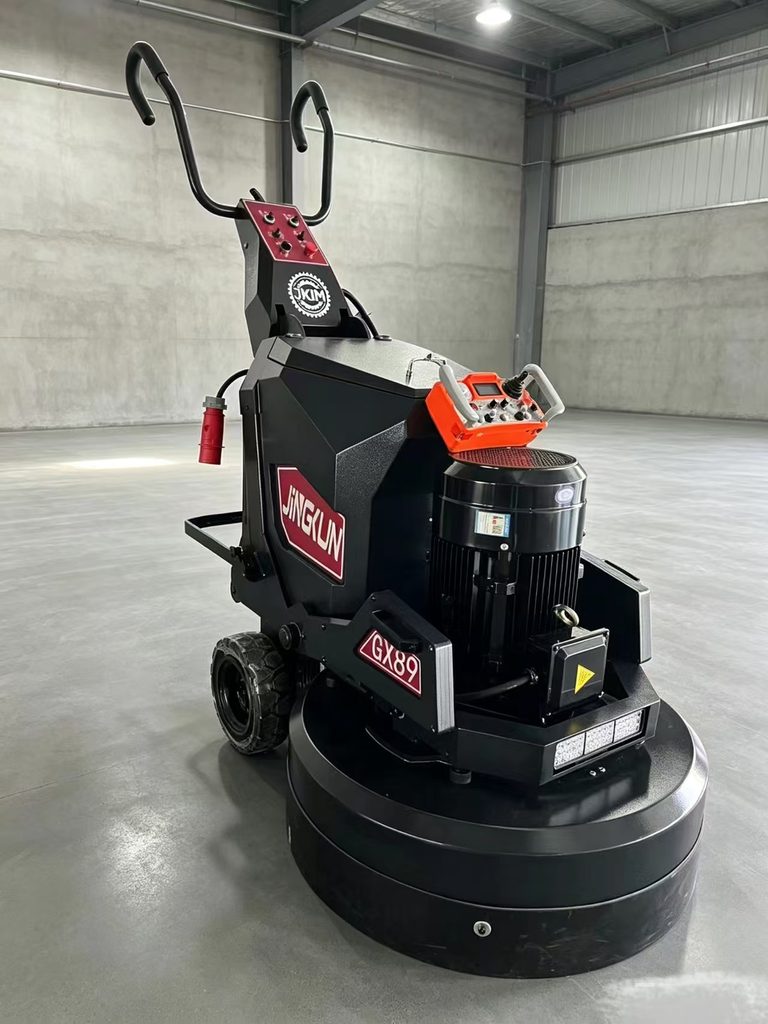
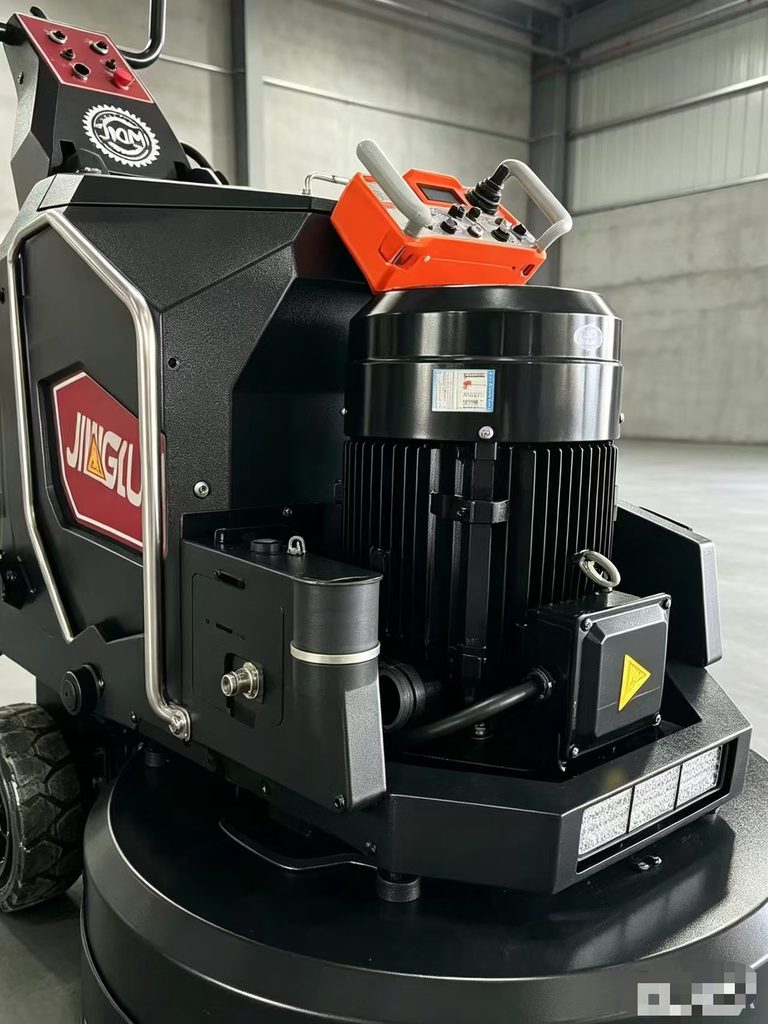
A professional grinder for flooring is a heavy-duty grinding machine specially designed for preparing and finishing various floor surfaces. Unlike small handheld grinders, professional flooring grinders are built with powerful motors, stable structures, advanced dust collection systems, and durable grinding components to handle large-scale projects.
These machines are commonly used for concrete grinding, surface leveling, coating removal, floor polishing, and surface preparation before applying new flooring materials.
The main purpose of a professional grinder for flooring is to create a clean, flat, and properly textured surface. This improves the adhesion of coatings and ensures longer service life for finished floors.
A professional flooring grinder usually includes:
| Component | Function |
|---|---|
| Powerful motor | Provides stable grinding performance for tough surfaces |
| Grinding disc system | Holds diamond tools for concrete and coating removal |
| Adjustable handle | Improves operator comfort and machine control |
| Dust collection system | Reduces airborne dust during grinding operations |
| Durable frame | Provides stability during long working periods |
| Control panel | Allows easy operation and adjustment |
Compared with traditional methods such as manual sanding or basic grinders, a professional grinder for flooring offers faster working speed, better surface quality, and improved operator efficiency.
Why Choose a Professional Grinder for Flooring?
Flooring projects often involve large surface areas and challenging materials. Using ordinary tools may result in slow progress, uneven grinding, and increased labor requirements. A professional grinder for flooring solves these problems by providing professional-level performance.
Higher Grinding Efficiency
One of the biggest advantages of a professional grinder for flooring is its high working efficiency. Professional machines are equipped with stronger motors and wider grinding paths, allowing operators to cover more area in less time.
For example, when preparing a large concrete warehouse floor, a professional grinding machine can complete surface preparation much faster than handheld equipment.
This efficiency is especially important for:
- Commercial buildings
- Industrial workshops
- Parking garages
- Large warehouses
- Concrete polishing projects
A faster grinding process helps contractors complete projects on schedule while maintaining consistent quality.
Better Surface Preparation Results
A successful flooring project depends heavily on surface preparation. If the floor surface contains dust, old coatings, uneven areas, or weak concrete layers, the final coating may fail.
A professional grinder for flooring creates a properly prepared surface by:
- Removing old paint and coatings
- Eliminating surface imperfections
- Leveling uneven concrete areas
- Opening concrete pores
- Improving coating adhesion
A properly ground surface allows epoxy, polyurethane, and other flooring materials to bond more effectively.
Suitable for Different Flooring Applications
One important feature of a professional grinder for flooring is versatility. By changing different grinding tools, the machine can handle various flooring materials and applications.
Common applications include:
| Flooring Application | Grinding Purpose |
|---|---|
| Concrete floor preparation | Remove imperfections and create bonding surfaces |
| Epoxy coating removal | Remove damaged or outdated coatings |
| Concrete polishing | Achieve smooth and decorative finishes |
| Industrial floor maintenance | Repair worn surfaces |
| Tile adhesive removal | Clean old adhesive materials |
| Surface leveling | Correct uneven floor areas |
This flexibility makes a professional grinder for flooring an essential machine for many construction professionals.
Key Features to Look for in a Professional Grinder for Flooring
Selecting the right grinding machine requires understanding several important features. A high-quality professional grinder for flooring should provide reliable performance, easy operation, and long-term durability.
Motor Power and Performance
The motor is one of the most important parts of any professional grinder for flooring. Higher motor power generally provides stronger grinding ability, especially when working with hard concrete surfaces.
The correct motor power depends on:
- Floor hardness
- Project size
- Grinding depth requirements
- Working frequency
For heavy-duty commercial projects, contractors usually prefer machines with stronger motors because they can maintain stable performance during continuous operation.
Grinding Width
Grinding width determines how much surface area the machine can cover in one pass.
A wider grinding width means:
- Higher productivity
- Fewer passes required
- Better performance on large floors
However, smaller grinding widths may provide better flexibility in narrow spaces.
| Project Type | Recommended Grinding Width |
|---|---|
| Small renovation projects | Compact grinding width |
| Medium commercial floors | Medium working width |
| Large warehouses and factories | Wide grinding width |
Choosing the correct grinding width helps maximize the efficiency of your professional grinder for flooring.
Different Types of Professional Grinder for Flooring
A professional grinder for flooring is available in different designs and configurations to meet various project requirements. Choosing the right type depends on the floor condition, working environment, and expected finishing result.
Understanding the differences between grinding machines helps contractors select equipment that delivers better performance and efficiency.
Handheld Professional Grinder for Flooring
A handheld professional grinder for flooring is designed for detailed work, edge grinding, and small-area surface preparation. It provides excellent flexibility and allows operators to reach corners, walls, and difficult areas where larger machines cannot operate.
Main applications include:
- Edge grinding near walls
- Small concrete repairs
- Removing coatings from limited areas
- Surface preparation in tight spaces
Advantages of handheld grinders:
| Feature | Benefit |
|---|---|
| Compact design | Easy operation in narrow areas |
| Lightweight structure | Convenient transportation |
| High-speed grinding | Effective for detailed work |
| Flexible operation | Suitable for complex surfaces |
Although handheld models have smaller working areas, they are an important supplement to a complete flooring tool system.
Walk-Behind Professional Grinder for Flooring
A walk-behind professional grinder for flooring is one of the most commonly used machines for commercial and industrial flooring projects.
Operators control the machine by walking behind it, allowing stable movement and accurate grinding performance.
This type of grinder is widely used for:
- Concrete surface preparation
- Large floor renovation
- Coating removal
- Floor polishing
Benefits include:
- Higher productivity compared with handheld tools
- Better grinding consistency
- Reduced operator fatigue
- Suitable for medium and large projects
For professional contractors, a walk-behind professional grinder for flooring is often the preferred choice because it balances efficiency, control, and versatility.
Ride-On Professional Grinder for Flooring
For extremely large flooring projects, a ride-on professional grinder for flooring provides maximum productivity.
These machines allow operators to sit on the equipment while grinding, making them suitable for continuous operation over large areas.
Typical applications:
- Airports
- Large warehouses
- Industrial facilities
- Commercial buildings
Advantages:
| Advantage | Description |
|---|---|
| High working efficiency | Covers large areas quickly |
| Operator comfort | Reduces physical workload |
| Stable performance | Suitable for long working hours |
| Professional results | Provides consistent floor quality |
Although ride-on models are mainly used for large-scale projects, they represent the highest level of productivity among flooring grinding equipment.
How to Choose the Right Professional Grinder for Flooring
Selecting the correct professional grinder for flooring requires evaluating several factors. The best machine is not always the largest or most powerful one. It should match the actual project requirements.
Consider the Floor Material
Different flooring materials require different grinding solutions.
Common materials include:
- Concrete
- Natural stone
- Terrazzo
- Epoxy-coated floors
- Industrial flooring
Concrete floors are usually harder and require powerful grinding systems with suitable diamond tools. Softer materials may require different grinding techniques to avoid surface damage.
Before purchasing a professional grinder for flooring, determine the hardness and condition of the floor.
Evaluate Project Size
The size of the working area directly affects machine selection.
| Project Size | Suitable Grinder Type |
|---|---|
| Small rooms and repair areas | Handheld professional grinder |
| Medium commercial floors | Walk-behind professional grinder |
| Large industrial floors | Heavy-duty or ride-on grinder |
Using the correct machine size improves productivity and prevents unnecessary equipment limitations.
Check Motor Power Requirements
Motor power determines the grinding capability of a professional grinder for flooring.
Higher power is beneficial when:
- Removing thick coatings
- Grinding hard concrete
- Working continuously
- Preparing large surfaces
However, excessive power may not be necessary for smaller projects. Contractors should select a machine that matches their typical workload.
Consider Dust Management
Floor grinding creates a large amount of dust, especially when processing concrete surfaces. A professional dust control system is essential for maintaining a cleaner and safer working environment.
A high-quality professional grinder for flooring should work efficiently with industrial vacuum systems.
Benefits of dust collection include:
- Cleaner job sites
- Better visibility during operation
- Reduced cleaning time
- Improved worker safety
Modern flooring contractors increasingly choose grinders with effective dust extraction solutions because they improve both efficiency and working conditions.
Diamond Tools for Professional Grinder for Flooring
The grinding performance of a professional grinder for flooring depends not only on the machine itself but also on the quality of grinding tools.
Diamond grinding tools are commonly used because they provide excellent durability and cutting ability.
Different diamond tools are suitable for different applications.
| Diamond Tool Type | Main Application |
|---|---|
| Coarse diamond segments | Heavy material removal |
| Medium diamond tools | General concrete grinding |
| Fine diamond pads | Surface smoothing and polishing |
| Resin diamond pads | Final polishing processes |
Choosing the correct diamond tool improves grinding speed and surface quality.
For example:
- Rough concrete surfaces require aggressive diamond segments.
- Smooth finishing work requires finer diamond tools.
- Polishing projects require multiple grinding stages.
A powerful professional grinder for flooring combined with the correct diamond accessories can achieve excellent results while reducing tool wear.
The Importance of Grinding Speed Control
Variable speed control is another important feature of a modern professional grinder for flooring.
Different surfaces require different grinding speeds.
Low-speed grinding is suitable for:
- Delicate surfaces
- Fine finishing
- Polishing operations
High-speed grinding is suitable for:
- Coating removal
- Concrete leveling
- Heavy material removal
Adjustable speed allows operators to achieve better results while protecting the floor surface.
Common Uses of Professional Grinder for Flooring
A professional grinder for flooring is used in many industries because of its ability to improve floor quality efficiently.
Concrete Surface Preparation
Before applying epoxy coatings or other finishes, concrete surfaces must be properly prepared. Grinding removes weak layers and creates better adhesion.
Coating Removal
Old coatings can become damaged, cracked, or worn over time. A professional grinder removes these materials quickly and prepares the floor for renovation.
Concrete Polishing
Many commercial buildings choose polished concrete because it provides:
- Attractive appearance
- Easy maintenance
- Long service life
- High durability
A professional grinder for flooring is essential during the multi-stage polishing process.
Floor Repair Projects
Damaged concrete floors often require grinding before repair materials can be applied. The machine helps create a clean and stable repair surface.
Professional Grinder for Flooring Maintenance Tips
Regular maintenance is essential to keep a professional grinder for flooring operating efficiently and extending its service life. Although professional grinding machines are designed for heavy-duty applications, proper care can prevent unexpected failures and maintain consistent grinding performance.
A well-maintained professional grinder for flooring can provide stable performance during demanding projects, reduce downtime, and improve overall productivity.
Clean the Machine After Every Use
After completing a grinding project, operators should clean the machine carefully. Concrete dust and grinding debris can accumulate on important components and affect performance.
Recommended cleaning steps include:
- Remove dust from the machine surface
- Clean the grinding head area
- Check ventilation openings
- Empty and clean the dust collection system
- Remove remaining debris from moving parts
Keeping the machine clean helps prevent overheating and improves the reliability of the professional grinder for flooring.
Inspect Grinding Tools Regularly
Grinding tools are the parts that directly contact the floor surface. Worn or damaged diamond tools can reduce efficiency and create uneven grinding results.
Operators should regularly check:
| Inspection Item | Purpose |
|---|---|
| Diamond segment condition | Ensure effective cutting performance |
| Tool wear level | Prevent poor grinding results |
| Installation condition | Avoid vibration and damage |
| Tool compatibility | Match tools with floor materials |
Replacing worn grinding tools at the right time helps maintain the performance of a professional grinder for flooring.
Check Motor and Electrical Components
The motor is the core power source of a professional grinder for flooring. Regular inspection ensures stable operation.
Important checks include:
- Motor temperature
- Power cable condition
- Switch function
- Electrical connections
- Abnormal noise or vibration
If unusual sounds or overheating occur, the machine should be inspected before continuing operation.
Maintain the Dust Collection System
Dust management is extremely important during concrete grinding. A blocked or inefficient vacuum system can reduce grinding efficiency and create a poor working environment.
Maintenance recommendations:
- Clean filters regularly
- Check vacuum hoses
- Remove accumulated dust
- Replace damaged parts when necessary
An effective dust control system allows the professional grinder for flooring to work more efficiently and safely.
How to Improve Grinding Efficiency with a Professional Grinder for Flooring
Using a professional grinder for flooring correctly can significantly improve project efficiency. Machine performance depends not only on equipment quality but also on operating techniques.
Select the Correct Grinding Tools
Using unsuitable grinding tools is one of the main reasons for reduced efficiency.
For example:
- Heavy coating removal requires aggressive diamond segments.
- General concrete grinding requires medium grinding tools.
- Polishing requires fine diamond pads.
The correct combination of machine power and grinding accessories allows the professional grinder for flooring to achieve better results.
Adjust Grinding Speed Properly
Different floor conditions require different operating speeds.
A common mistake is using maximum speed for every application. While high speed may remove materials quickly, it can also create excessive heat and uneven results.
Professional operators adjust speed according to:
- Floor hardness
- Material thickness
- Desired surface finish
- Grinding stage
Proper speed adjustment improves both efficiency and surface quality.
Maintain Consistent Movement
Operator technique directly affects grinding results.
When using a professional grinder for flooring, operators should:
- Move the machine evenly
- Avoid staying in one area too long
- Maintain consistent pressure
- Follow an organized grinding pattern
A consistent movement pattern helps prevent uneven surfaces and reduces unnecessary grinding time.
Common Mistakes When Using a Professional Grinder for Flooring
Even with advanced equipment, improper operation can reduce performance. Understanding common mistakes helps users achieve better results.
Choosing the Wrong Machine Size
Some contractors select machines that are too small for large projects. This increases working time and reduces productivity.
A professional grinder for flooring should be selected based on:
- Project area
- Floor condition
- Required grinding depth
- Working schedule
Large projects usually require wider and more powerful machines.
Using Incorrect Diamond Tools
Different floors require different grinding solutions. Using the wrong diamond tools may result in:
- Slow grinding speed
- Excessive tool wear
- Poor surface quality
Matching tools correctly with the floor material is essential for professional results.
Ignoring Dust Control
Grinding concrete without proper dust management can create serious problems.
Poor dust control may lead to:
- Reduced visibility
- Longer cleanup time
- Lower working efficiency
- Uncomfortable working conditions
A professional dust extraction system should always be used with a professional grinder for flooring.
Skipping Regular Maintenance
Some users only maintain equipment when problems occur. This approach can shorten machine life.
Regular maintenance prevents:
- Unexpected breakdowns
- Reduced grinding performance
- Increased repair requirements
A maintenance schedule ensures the professional grinder for flooring remains reliable for long-term use.
Professional Grinding Techniques for Better Results
Experienced operators use several techniques to improve the quality of flooring preparation.
Start with Surface Inspection
Before grinding begins, inspect the floor carefully.
Check:
- Surface hardness
- Cracks and damage
- Existing coatings
- Uneven areas
- Contamination
This helps determine the correct grinding method.
Use Multiple Grinding Stages
Professional flooring preparation usually involves several stages.
A typical process includes:
| Grinding Stage | Purpose |
|---|---|
| Initial grinding | Remove coatings and uneven materials |
| Medium grinding | Smooth the surface |
| Fine grinding | Improve surface quality |
| Polishing stage | Create final finish |
Using multiple stages allows the professional grinder for flooring to achieve a higher-quality result.
Combine Grinding with Proper Vacuuming
Dry grinding produces significant dust. Connecting the grinder with an industrial vacuum system improves visibility and protects the working environment.
Benefits include:
- Cleaner surface
- Better grinding accuracy
- Reduced cleanup work
- Improved operator comfort
Professional Grinder for Flooring vs Standard Grinder
Many users wonder about the difference between professional equipment and ordinary grinders.
| Feature | Professional Grinder for Flooring | Standard Grinder |
|---|---|---|
| Motor capability | Designed for continuous heavy-duty work | Suitable for lighter tasks |
| Working efficiency | Covers larger areas faster | Slower on large floors |
| Durability | Built for professional projects | Limited long-term use |
| Surface quality | Provides more consistent results | May create uneven grinding |
| Application range | Commercial and industrial flooring | Small repairs and occasional use |
A professional grinder for flooring is a better choice for contractors who regularly complete flooring preparation projects because it provides higher productivity and reliability.
Safety Tips When Operating a Professional Grinder for Flooring
Safety should always be a priority when operating heavy-duty grinding equipment.
Operators should wear:
- Safety glasses
- Dust masks or respirators
- Hearing protection
- Safety gloves
- Protective footwear
Before operation:
- Check machine condition
- Confirm grinding tool installation
- Ensure cables and connections are safe
- Verify dust extraction equipment
During operation:
- Keep stable control of the machine
- Avoid sudden movements
- Monitor unusual vibration or noise
- Stop operation if problems occur
Following safety procedures allows users to operate a professional grinder for flooring efficiently while reducing workplace risks.
Future Trends of Professional Grinder for Flooring
The flooring industry continues to develop with higher requirements for efficiency, environmental protection, and surface quality. As construction technology improves, the professional grinder for flooring is also evolving to meet modern project demands.
Future flooring grinders will focus more on intelligent operation, improved dust control, energy efficiency, and user-friendly designs.
More Efficient Dust Management Systems
Dust control has become one of the most important factors in modern floor grinding. Traditional grinding methods often create large amounts of concrete dust, which affects working conditions and cleaning efficiency.
Future professional grinder for flooring models will increasingly integrate advanced dust extraction solutions, including:
- More efficient vacuum connections
- Improved filtration systems
- Better dust-sealing designs
- Cleaner working environments
These improvements help contractors complete projects faster while meeting stricter workplace safety requirements.
Improved Energy Efficiency
Energy efficiency is becoming increasingly important in construction equipment. Manufacturers are developing grinders with optimized motors and improved power systems.
A modern professional grinder for flooring focuses on:
- Lower energy consumption
- Stable grinding performance
- Longer operating time
- Reduced maintenance requirements
Energy-efficient machines help contractors reduce operating costs while maintaining professional grinding results.
More User-Friendly Operation
Operator comfort directly affects productivity, especially during long grinding projects.
Future machines will continue improving:
- Adjustable handles
- Vibration reduction systems
- Easy control panels
- Lightweight but durable structures
A user-friendly professional grinder for flooring allows operators to work longer with less fatigue.
Why Professional Contractors Choose Professional Grinder for Flooring
Professional contractors often handle complex flooring projects that require reliable equipment. A professional grinder for flooring provides several advantages that make it an essential investment for construction companies and flooring specialists.
Reliable Performance for Large Projects
Large commercial and industrial flooring projects require machines that can operate continuously.
A professional grinding machine offers:
- Strong motor performance
- Stable operation
- High productivity
- Consistent surface results
This reliability helps contractors complete projects according to schedule.
Better Quality Control
Floor preparation quality directly affects the final flooring result. Uneven grinding can cause coating failures, poor appearance, and reduced durability.
A professional grinder for flooring helps maintain:
- Even surface texture
- Proper floor leveling
- Strong coating adhesion
- Professional finishing quality
Better surface preparation improves customer satisfaction and reduces future repair requirements.
Lower Long-Term Operating Costs
Although professional equipment is designed for demanding applications, it can provide better value through:
- Longer service life
- Reduced downtime
- Higher work efficiency
- Lower labor requirements
For contractors who frequently perform flooring projects, investing in a professional grinder for flooring can improve overall business efficiency.
Buying Checklist for Professional Grinder for Flooring
Before purchasing a professional grinder for flooring, contractors should evaluate several important factors.
The following checklist can help users make a better decision:
| Selection Factor | Questions to Consider |
|---|---|
| Motor power | Can it handle your typical flooring materials? |
| Grinding width | Is it suitable for your project size? |
| Machine structure | Is it durable enough for professional use? |
| Dust control | Can it connect with an effective vacuum system? |
| Grinding tools | Are compatible accessories available? |
| Operation comfort | Is it easy to control for long working hours? |
| Maintenance | Are spare parts and service support available? |
Choosing a machine based on actual project needs ensures that the professional grinder for flooring delivers maximum efficiency.
How to Maximize the Service Life of a Professional Grinder for Flooring
A high-quality machine can provide years of reliable service when properly maintained.
Here are expert recommendations:
Perform Regular Inspections
Check important components before and after operation:
- Grinding discs
- Motor condition
- Electrical system
- Dust collection equipment
- Moving parts
Early detection of problems prevents expensive downtime.
Use Suitable Accessories
The performance of a professional grinder for flooring depends heavily on using the correct grinding accessories.
Always select tools according to:
- Floor hardness
- Surface condition
- Required finish
- Grinding stage
Using the right accessories improves efficiency and protects the machine.
Follow Proper Operating Procedures
Correct operation is essential for both safety and machine durability.
Operators should:
- Avoid excessive pressure
- Maintain consistent movement
- Follow recommended speeds
- Clean equipment after use
Proper operation helps maintain stable grinding performance over time.
If you need concrete cutters,concrete grinders,concrete power trowels or any other services, please feel free to contact us!
Email: teresa@huashuo-machine.com
WhatsApp: +86 15554448948
Facebook: https://www.facebook.com/profile.php?id=61560318418325
Tik Tok: https://www.tiktok.com/@huateresa
Conclusion
A professional grinder for flooring is one of the most valuable machines for modern flooring preparation and surface treatment projects. With powerful performance, excellent grinding efficiency, and versatile applications, it helps contractors achieve smoother, cleaner, and more durable flooring results.
From concrete grinding and coating removal to polishing and surface preparation, a reliable professional grinder for flooring can handle a wide range of tasks. Choosing the right machine requires careful consideration of motor power, grinding width, dust control, accessories, and project requirements.
For professional contractors, investing in a high-quality professional grinder for flooring means improved productivity, better surface quality, and long-term reliability. With proper maintenance and correct operating techniques, the machine can provide consistent performance for many years.
Whether you are working on commercial buildings, industrial floors, warehouses, or renovation projects, selecting the right professional grinder for flooring will help you complete projects more efficiently and achieve professional-level results.
FAQ
What is a professional grinder for flooring used for?
A professional grinder for flooring is mainly used for concrete surface preparation, coating removal, floor leveling, and concrete polishing. It helps create a smooth and clean surface before applying coatings or finishing materials.
Why should I choose a professional grinder for flooring instead of a regular grinder?
A professional grinder for flooring is designed for heavy-duty applications. Compared with standard grinders, it offers stronger power, higher efficiency, better durability, and more consistent grinding results.
It is especially suitable for contractors working on large commercial or industrial flooring projects.
Can a professional grinder for flooring remove epoxy coatings?
Yes. A professional grinder for flooring can effectively remove epoxy coatings, paint layers, adhesives, and other surface materials when equipped with suitable diamond grinding tools.
The correct grinding accessories should be selected based on coating thickness and floor condition.
What type of floors can a professional grinder for flooring handle?
A professional flooring grinder can work on many surfaces, including:
- Concrete floors
- Epoxy floors
- Terrazzo floors
- Stone surfaces
- Industrial flooring
The correct grinding tools should be used according to the material type.
How do I choose the right professional grinder for flooring?
When selecting a professional grinder for flooring, consider:
- Project size
- Floor material
- Required grinding depth
- Motor power
- Grinding width
- Dust collection requirements
- Available accessories
Choosing the right specifications ensures better performance and productivity.
Do professional flooring grinders require dust extraction?
Yes. Using a dust extraction system with a professional grinder for flooring is highly recommended.
A proper vacuum system helps:
- Reduce airborne dust
- Improve visibility
- Keep the workspace cleaner
- Protect operators
How often should a professional grinder for flooring be maintained?
Maintenance frequency depends on usage intensity. For machines used frequently, operators should inspect and clean the equipment after each project and perform regular checks on motors, grinding tools, and dust systems.
Proper maintenance extends the service life of the professional grinder for flooring.
What accessories are needed for a professional grinder for flooring?
Common accessories include:
- Diamond grinding segments
- Polishing pads
- Dust extraction hoses
- Grinding discs
- Replacement parts
Selecting suitable accessories ensures the best grinding performance.
Is a professional grinder for flooring suitable for beginners?
Yes, many modern machines are designed with user-friendly controls. However, operators should receive basic training and understand safety procedures before using a professional grinder for flooring.
Proper operation improves both safety and grinding results.